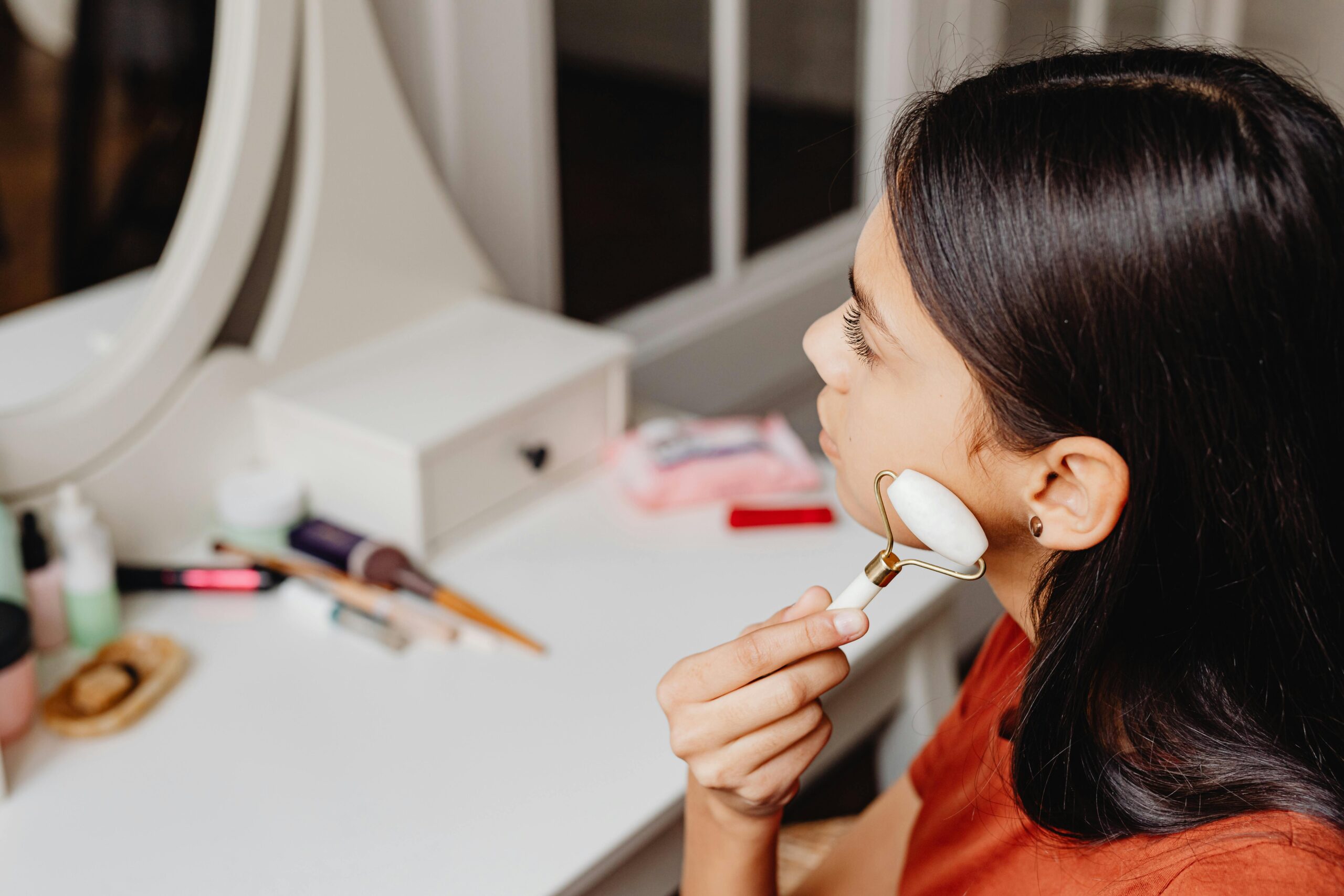
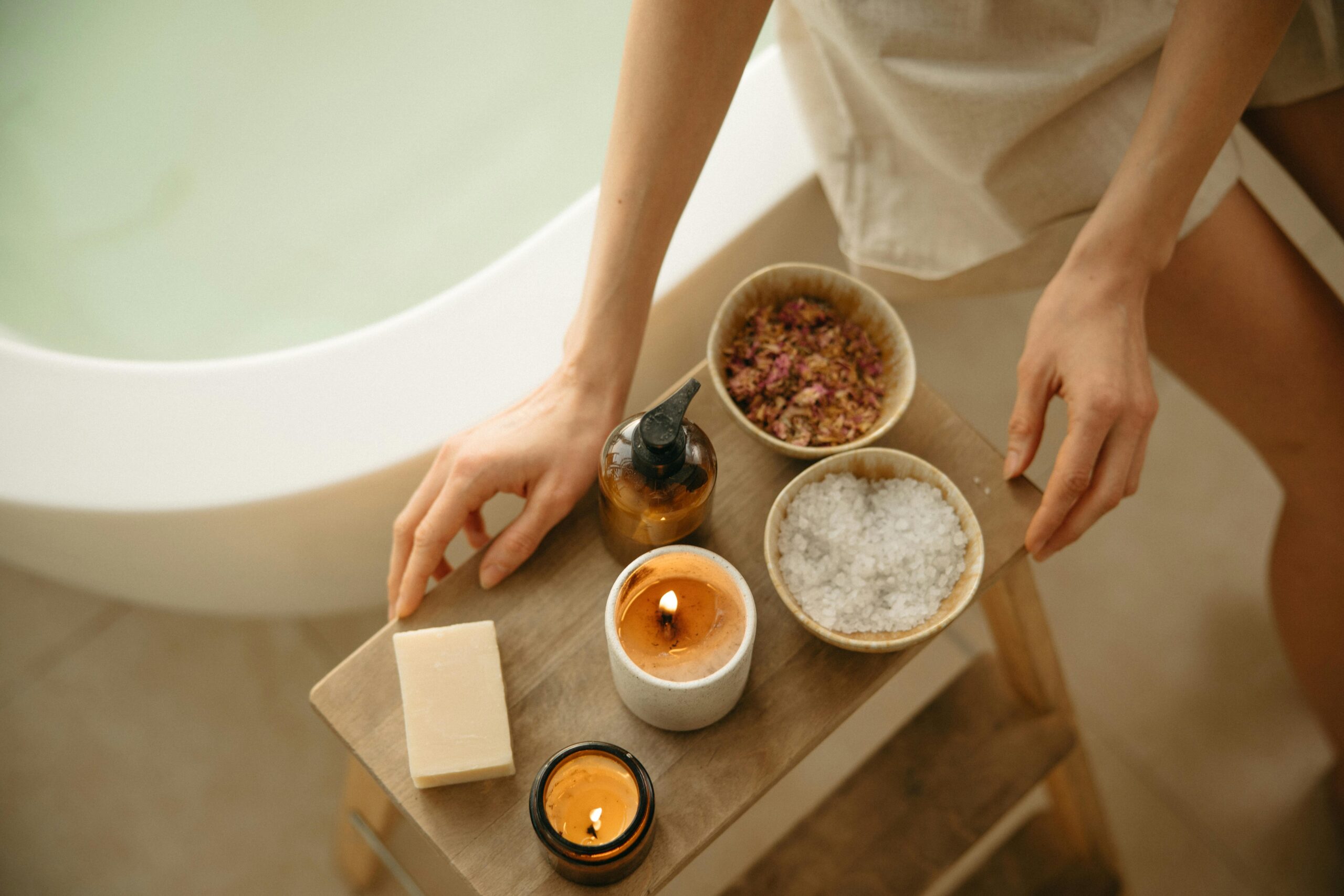
Transforming your daily shower into a rejuvenating ritual can revolutionize both your skin’s appearance and mental well-being, creating a sanctuary of self-care.

🚿 Why Your Shower Routine Matters More Than You Think
In our fast-paced world, the shower has become more than just a place to cleanse. It’s a personal sanctuary where we can reset, recharge, and reconnect with ourselves. The way you approach your shower routine directly impacts your skin’s health, your energy levels, and your overall mental clarity throughout the day. Understanding the transformative power of a well-designed cleansing routine is the first step toward achieving radiant skin and a refreshed mind.
Your skin is your body’s largest organ, constantly exposed to environmental stressors, pollutants, and the natural wear of daily life. A thoughtful shower routine doesn’t just remove dirt and sweat—it provides essential hydration, promotes circulation, and creates a moment of mindfulness that can set the tone for your entire day or help you unwind before sleep.
The Science Behind Skin Rejuvenation in the Shower
When warm water cascades over your skin, it opens pores and increases blood flow to the surface. This enhanced circulation delivers oxygen and nutrients to skin cells while helping to flush out toxins. The steam from a warm shower also acts as a natural humidifier, temporarily boosting skin hydration and making it more receptive to the products you apply.
Research shows that the temperature of your shower water significantly affects skin health. While hot showers feel luxurious, they can strip away natural oils that protect and moisturize your skin. Lukewarm water—around 98 to 105 degrees Fahrenheit—provides the perfect balance, cleansing effectively without compromising your skin’s protective barrier.
The Mind-Body Connection During Your Shower
The psychological benefits of a mindful shower routine are equally compelling. The sensory experience of water, combined with intentional breathing and the aromatherapeutic effects of quality products, triggers the release of endorphins and reduces cortisol levels. This creates a natural stress-relief mechanism that’s available to you every single day.
✨ Building Your Ultimate Cleansing Shower Routine
Creating the perfect shower routine requires understanding your skin type, selecting appropriate products, and establishing a sequence that maximizes benefits. Let’s break down each component of a transformative cleansing experience that will leave you feeling refreshed and your skin glowing.
Pre-Shower Preparation: Setting the Stage
Before you even step into the shower, take a moment to prepare. Dry brushing is an excellent pre-shower practice that stimulates lymphatic drainage, exfoliates dead skin cells, and improves circulation. Using a natural bristle brush, gently sweep upward from your feet toward your heart in long, smooth strokes. This simple five-minute practice can dramatically enhance the effectiveness of your shower routine.
Ensure your bathroom environment supports relaxation. Dim the lights if possible, or consider using candles. If you shower in the morning and need an energizing experience, bright natural light or cool-toned lighting can help awaken your senses. For evening showers, warmer, softer lighting promotes relaxation and signals to your body that it’s time to wind down.
The Perfect Temperature Sequence 🌡️
Start your shower with lukewarm water to gently open pores and prepare your skin for cleansing. As you progress through your routine, you can adjust the temperature based on your goals. Many wellness experts recommend ending with a brief cold water rinse—even just 30 seconds can boost circulation, tighten pores, and leave you feeling invigorated.
This temperature contrast technique, sometimes called contrast hydrotherapy, has been used for centuries in spa treatments. It stimulates the immune system, reduces muscle soreness, and can even improve mood by triggering the release of mood-boosting neurotransmitters.
Choosing the Right Cleansing Products for Your Skin
Not all cleansers are created equal, and selecting the right products for your unique skin type is crucial for achieving radiant results. Understanding your skin’s needs will help you make informed choices that enhance rather than compromise your skin barrier.
For Dry or Sensitive Skin
Look for creamy, hydrating cleansers with ingredients like ceramides, hyaluronic acid, and glycerin. Avoid products with sulfates, which can be overly stripping. Gentle, fragrance-free formulations minimize the risk of irritation while providing effective cleansing. Consider cleansing oils or balms that dissolve dirt and makeup while simultaneously nourishing your skin.
For Oily or Acne-Prone Skin
Gel-based cleansers containing salicylic acid, tea tree oil, or benzoyl peroxide can help control excess oil production and prevent breakouts. However, even oily skin needs moisture, so avoid over-cleansing, which can trigger increased oil production as your skin tries to compensate for being stripped of its natural oils.
For Combination Skin
A balanced, pH-neutral cleanser works best for combination skin. You might consider using different products on different areas—a gentle hydrating cleanser for dry cheeks and a clarifying formula for your T-zone. Alternatively, a mild, balanced gel cleanser can address both concerns effectively.
💆♀️ The Art of Proper Cleansing Technique
How you cleanse matters as much as what you use. Begin by wetting your skin thoroughly with lukewarm water. Dispense a small amount of cleanser into your palms and work it into a light lather. Using gentle, circular motions, massage the cleanser onto your skin for at least 60 seconds. This isn’t just about removing dirt—the massage action stimulates circulation and promotes lymphatic drainage.
Pay special attention to areas that accumulate more sweat and bacteria, such as your underarms, feet, and any skin folds. However, be gentle with delicate areas like your face, neck, and décolletage. These areas have thinner skin that’s more susceptible to damage from harsh scrubbing.
Exfoliation: The Key to Glowing Skin
Regular exfoliation removes dead skin cells that can make your complexion appear dull and uneven. However, the frequency and method of exfoliation should match your skin type. For most people, exfoliating two to three times per week is sufficient. Over-exfoliation can damage your skin barrier and lead to sensitivity, redness, and increased breakouts.
Physical vs. Chemical Exfoliation
Physical exfoliants use small particles or textured surfaces to manually slough away dead skin. Look for products with fine, uniform particles rather than harsh scrubs with irregular edges that can create micro-tears in your skin. Natural options include sugar, oatmeal, or finely ground coffee.
Chemical exfoliants use acids like AHAs (alpha hydroxy acids) or BHAs (beta hydroxy acids) to dissolve the bonds between dead skin cells. These can be more effective and less abrasive than physical exfoliants, making them ideal for sensitive skin. Body washes with lactic acid or glycolic acid provide gentle chemical exfoliation during every shower.
🌿 Incorporating Aromatherapy and Essential Oils
The shower provides the perfect environment for aromatherapy benefits. Steam helps disperse essential oil molecules into the air, where they can be easily inhaled, affecting your limbic system—the part of your brain that controls emotions and memories.
For morning showers, energizing scents like peppermint, eucalyptus, citrus, and rosemary can help wake you up and improve mental clarity. Place a few drops of essential oil on a washcloth and hang it in your shower, or look for body washes infused with these invigorating fragrances.
For evening showers, calming scents like lavender, chamomile, sandalwood, and ylang-ylang promote relaxation and prepare your body for restful sleep. These aromatic compounds have been scientifically proven to reduce anxiety and improve sleep quality.
Hydration During and After Your Shower
While you’re focusing on cleansing your exterior, don’t forget about internal hydration. Keep a glass of water in your bathroom and drink before or after your shower. The warm environment can cause mild dehydration, and replenishing fluids supports your skin’s natural moisture from the inside out.
The Critical Post-Shower Window ⏰
The three minutes immediately after you step out of the shower represent a crucial window for locking in moisture. Your skin is still slightly damp and more permeable, making it the ideal time to apply products. Pat your skin gently with a towel—rubbing can cause irritation and damage—leaving it slightly damp rather than completely dry.
Apply a body lotion, oil, or butter while your skin is still moist. This traps water in your skin cells, providing deeper, longer-lasting hydration than applying products to completely dry skin. Choose products with ingredients like shea butter, coconut oil, jojoba oil, or hyaluronic acid for maximum moisturizing benefits.
Creating a Mindful Shower Meditation Practice 🧘♀️
Transform your shower from a rushed necessity into a moving meditation. Begin by taking three deep breaths before you enter, setting an intention for your shower experience. As the water flows over you, practice being fully present. Notice the temperature, the sound of the water, the scent of your products, and the sensation on your skin.
When your mind wanders to your to-do list or worries—and it will—gently bring your attention back to the sensory experience of the shower. This practice of mindfulness reduces stress, improves focus, and helps you start or end your day with greater calm and clarity.
Customizing Your Routine Based on Time of Day
Your shower routine should adapt to whether you’re preparing for the day ahead or winding down for rest. Morning showers benefit from slightly cooler temperatures, invigorating scents, and products that energize and protect your skin for the day. Consider using a vitamin C serum or products with SPF ingredients as part of your morning post-shower routine.
Evening showers should focus on thorough cleansing to remove the day’s accumulation of dirt, oil, sweat, and environmental pollutants. This is when you can dedicate more time to treatments like exfoliation, masks, or deep conditioning. The warmth and relaxation of an evening shower also support better sleep quality.
🌟 Advanced Techniques for Maximum Rejuvenation
Once you’ve mastered the basics, consider incorporating these advanced techniques to elevate your shower routine further. Scalp massage during shampooing stimulates hair follicles and promotes healthy hair growth while also feeling incredibly relaxing. Use your fingertips to apply gentle pressure in circular motions across your entire scalp.
Facial massage while cleansing improves lymphatic drainage and reduces puffiness. Use upward and outward strokes, applying gentle pressure along your jawline, cheeks, and forehead. This takes just an extra minute but delivers visible results in terms of reduced puffiness and improved facial contours.
The Power of Contrast Therapy
Alternating between warm and cool water during your shower provides therapeutic benefits. Start warm, then turn the water cool for 30 seconds, return to warm for a minute, and repeat this cycle three to five times. This practice improves circulation, boosts immune function, and leaves you feeling remarkably energized.
Common Shower Mistakes That Damage Your Skin
Even with good intentions, many people make mistakes that undermine their skin health. Showering too frequently or for too long strips away natural oils. For most people, one shower per day lasting 5-10 minutes is sufficient. Athletes or those who sweat heavily may need to shower more often but should focus on rinsing and only use cleanser where needed.
Using water that’s too hot is one of the most common skin-damaging mistakes. If your skin is red after your shower or feels tight and itchy, your water temperature is too high. Adjust gradually until you find a comfortable lukewarm temperature that cleanses without stripping.
Another mistake is using harsh, drying cleansers or over-exfoliating. Your skin should feel clean and comfortable after showering, not tight, dry, or irritated. If you experience these symptoms, reassess your products and technique.
🌸 Seasonal Adjustments to Your Shower Routine
Your skin’s needs change with the seasons, and your shower routine should adapt accordingly. During winter, colder air and indoor heating create a perfect storm for dry skin. Use more hydrating cleansers, shorter shower times, and richer moisturizers. Consider adding a humidifier to your bathroom to counteract dry winter air.
Summer brings increased sweat, oil production, and sun exposure. You might need to cleanse more thoroughly and use lighter, gel-based moisturizers. However, don’t skip moisturizer entirely—even oily skin needs hydration. After-sun products with aloe vera or cucumber can soothe and repair skin exposed to UV rays.
Enhancing Your Shower Environment for Maximum Benefit
The physical environment of your shower space contributes significantly to the overall experience. Invest in a good-quality showerhead that provides consistent water pressure and ideally offers different spray patterns. Some showerheads include built-in filters that remove chlorine and other harsh chemicals from your water, which can significantly improve skin and hair health.
Keep your shower organized with products at easy reach. Cluttered shower spaces create mental clutter and prevent you from fully relaxing. Use shower caddies or built-in shelving to organize your products, and regularly purge items you no longer use.

Embracing the Transformative Power of Daily Ritual 💫
When you approach your shower as a sacred daily ritual rather than a rushed chore, everything changes. This shift in perspective allows you to receive the full benefits—physical, mental, and emotional—that this simple act provides. Your shower becomes a boundary between the outside world and your inner sanctuary, a transition point where you can consciously release stress and cultivate presence.
The consistency of a daily shower ritual creates a reliable anchor point in your day. In times of stress or change, these small, nurturing habits provide stability and comfort. They remind you that taking care of yourself isn’t selfish—it’s necessary for showing up as your best self in all areas of life.
By investing just a few extra minutes and a bit more intention into your shower routine, you’ll notice remarkable changes. Your skin will appear more radiant, properly hydrated, and healthy. Your mind will feel clearer and more focused. Your stress levels will decrease as you learn to use this time for genuine self-care and mindfulness.
Start tomorrow morning or tonight by implementing just one or two elements from this guide. Perhaps begin with adjusting your water temperature and adding a moment of intentional breathing. As these small changes become habit, gradually incorporate additional techniques. Before long, your shower will transform from a mundane necessity into the highlight of your day—a rejuvenating experience that truly refreshes both your skin and your spirit.
Remember that the ultimate shower routine isn’t about having the most expensive products or the longest list of steps. It’s about creating a personalized practice that honors your unique needs, fits realistically into your lifestyle, and genuinely makes you feel better. Listen to your skin, pay attention to how different practices make you feel, and adjust accordingly. Your body and mind will thank you for this daily act of self-care and renewal.