Creating a sanctuary within your own home starts with transforming your ordinary bath into a luxurious retreat that melts away stress and tension.

In our fast-paced world, finding moments of tranquility has become more precious than ever. The art of bathing has evolved from a simple hygiene routine into a therapeutic ritual that nourishes both body and mind. A salt bath, in particular, offers remarkable benefits that go beyond mere relaxation—it’s a holistic experience that can dramatically improve your overall well-being.
The beauty of creating the perfect salt bath lies in its simplicity. You don’t need expensive spa treatments or exotic destinations to achieve deep relaxation. With the right knowledge, ingredients, and approach, your bathroom can become a personal oasis where you escape daily pressures and reconnect with yourself. This comprehensive guide will walk you through everything you need to know to craft an unforgettable bathing experience.
Understanding the Magic Behind Salt Baths 🧂
Salt baths have been treasured for centuries across different cultures for their healing properties. The ancient Romans built elaborate bathhouses around natural salt springs, while Cleopatra was famous for her beauty rituals involving Dead Sea salts. Today, modern science validates what our ancestors instinctively knew—salt baths offer tangible health benefits.
When you immerse yourself in warm, salt-infused water, your body experiences a process called reverse osmosis. This natural phenomenon helps draw out toxins while allowing beneficial minerals to penetrate your skin. The result is detoxification, improved circulation, and enhanced mineral absorption that leaves you feeling refreshed and rejuvenated.
Different types of salt offer unique advantages. Epsom salt, technically magnesium sulfate, is renowned for easing muscle tension and reducing inflammation. Sea salt contains trace minerals that support skin health and cellular function. Himalayan pink salt is rich in over 80 minerals and helps balance pH levels. Understanding these differences allows you to customize your bath to address specific needs.
Selecting the Perfect Salt for Your Needs
Choosing the right salt is the foundation of your blissful bathing experience. Each variety brings distinct properties that cater to different wellness goals. Your selection should align with what you hope to achieve during your soak.
Epsom Salt: The Muscle Relaxer 💪
Epsom salt stands as the champion for physical recovery and muscle relief. Athletes and fitness enthusiasts particularly appreciate its ability to reduce soreness and accelerate recovery after intense workouts. The magnesium it contains plays a crucial role in over 300 enzymatic reactions in your body, including those that regulate muscle and nerve function.
For optimal results, use two cups of Epsom salt per standard bathtub. If you’re addressing severe muscle pain or tension, you can increase this to three cups. The magnesium absorbs through your skin, providing relief that oral supplements sometimes cannot match, especially for those with digestive sensitivities.
Sea Salt: Nature’s Skin Therapist
Harvested directly from ocean water, sea salt carries the essence of the ocean into your bathroom. Its mineral composition closely mirrors that of our blood plasma, making it exceptionally compatible with our bodies. Sea salt baths excel at improving skin conditions like eczema, psoriasis, and acne while providing gentle exfoliation.
The antimicrobial properties of sea salt make it ideal for healing minor cuts and abrasions. It also helps balance oil production, making it suitable for all skin types. Use approximately one to two cups per bath, adjusting based on your skin’s sensitivity and the desired intensity.
Himalayan Pink Salt: The Mineral Powerhouse
This striking pink salt from ancient sea beds contains an impressive array of minerals including calcium, magnesium, potassium, copper, and iron. Himalayan salt baths are particularly effective for detoxification and promoting restful sleep. The minerals help regulate water content throughout your body and promote optimal pH balance.
Beyond physical benefits, many people report feeling emotionally grounded and centered after Himalayan salt baths. Use one to two cups per bath, and consider the water temperature carefully—warmer water enhances mineral absorption but shouldn’t be uncomfortably hot.
Setting the Atmosphere: Beyond the Bath Itself 🕯️
The environment surrounding your bath is equally important as what goes into the water. Your senses need comprehensive attention to achieve true relaxation. Think of your bathroom as a stage where every element contributes to the overall experience.
Lighting sets the mood more powerfully than any other single factor. Harsh overhead lights disrupt the relaxation response your body needs to activate. Instead, opt for candles, which provide gentle, flickering light that naturally calms the nervous system. Battery-operated LED candles offer a safe alternative if open flames concern you.
Sound influences your mental state profoundly. Create a playlist of calming music, nature sounds, or binaural beats designed for deep relaxation. Keep the volume low enough that it becomes a supportive background rather than a focal point. Alternatively, embrace complete silence—sometimes the absence of noise is the greatest luxury.
Temperature control extends beyond the bath water itself. Ensure your bathroom is comfortably warm before you begin. Nothing disrupts relaxation faster than shivering when you emerge from your bath. Consider using a space heater if your bathroom tends to be chilly, and have a plush, warmed towel ready for when you finish.
Crafting Your Perfect Bath Recipe
Creating the ideal salt bath is part science, part art. While the salt forms the foundation, additional ingredients can elevate your experience significantly. Customization allows you to address specific concerns while indulging your senses.
Essential Oil Additions for Enhanced Benefits 🌿
Essential oils transform a good bath into an extraordinary one. However, proper usage is critical since these concentrated plant extracts are powerful. Always dilute essential oils in a carrier oil or dispersant before adding them to bath water to prevent skin irritation.
Lavender remains the gold standard for relaxation and sleep preparation. Its calming properties are well-documented in scientific literature, with studies showing it reduces anxiety and improves sleep quality. Add 5-8 drops mixed with a tablespoon of carrier oil for a peaceful soak.
Eucalyptus excels when you’re dealing with respiratory congestion or need mental clarity. Its invigorating scent opens airways while providing mild pain relief. This makes it excellent for cold and flu season or when you need to clear mental fog.
Chamomile offers gentle relaxation suitable for sensitive skin. It’s particularly beneficial if you’re dealing with skin irritation or inflammation. Its sweet, apple-like scent creates a comforting atmosphere reminiscent of herbal tea.
Natural Add-Ins for Specific Benefits
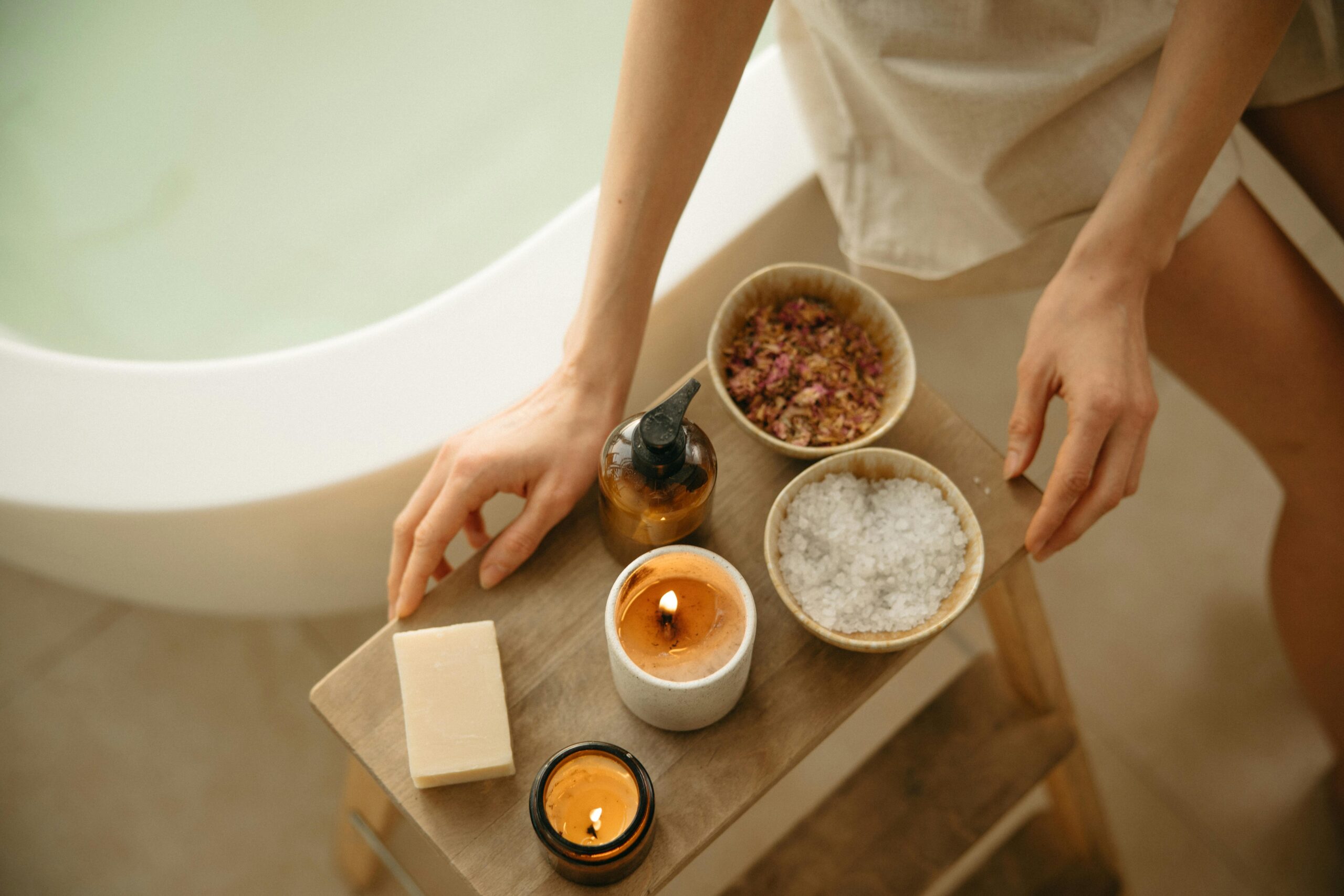
Beyond essential oils, various natural ingredients can enhance your salt bath experience. Dried herbs like rosemary, mint, or rose petals add visual beauty and subtle aromatherapy benefits. Place them in a muslin bag to avoid clogging your drain.
Coconut oil or sweet almond oil creates a moisturizing bath that leaves skin silky smooth. Use sparingly—one to two tablespoons is sufficient. Be cautious as oils make the tub slippery; clean thoroughly after your bath.
Baking soda is an underrated addition that softens water and soothes irritated skin. It’s particularly helpful if you have hard water that leaves your skin feeling dry. Add half a cup along with your salt for enhanced softening effects.
The Ritual: Step-by-Step Bath Preparation ✨
Approaching your bath as a ritual rather than a routine transforms the experience. Intentionality matters—this is sacred time you’re setting aside for self-care and restoration.
Begin by tidying your bathroom space. A cluttered environment creates mental clutter. Clear countertops, put away toiletries you won’t need, and create visual calm. This simple act signals to your brain that something special is about to happen.
Start filling your tub with warm water—ideally between 92-100°F (33-38°C). Water that’s too hot can actually stress your body rather than relax it, raising your heart rate and blood pressure. If you don’t have a thermometer, the water should feel comfortably warm, not scalding.
Add your salt when the tub is about halfway full, allowing it to dissolve as the water continues to fill. This ensures even distribution. Follow with your essential oils and any other additives, swirling the water gently to combine everything harmoniously.
Before entering, gather everything you might need within arm’s reach: a glass of water (staying hydrated during your bath is important), a folded towel for neck support, your phone on airplane mode if you want music, and perhaps a book or journal.
Maximizing Your Soak Time for Optimal Benefits ⏰
Once you’re settled into your fragrant, mineral-rich bath, how you spend your time matters. The sweet spot for bath duration is typically 20-30 minutes. This provides sufficient time for mineral absorption and relaxation without overtaxing your cardiovascular system.
The first few minutes focus on physical settling. Allow your body to adjust to the temperature and your muscles to begin releasing tension. Take slow, deep breaths, inhaling through your nose and exhaling through your mouth. This activates your parasympathetic nervous system, triggering the relaxation response.
Use the middle portion of your bath for gentle self-massage or meditation. Run your hands along tense areas like your neck, shoulders, and calves, using the slippery saltwater to facilitate smooth movements. Alternatively, simply rest and allow your mind to wander without directing it—this mental freedom is surprisingly restorative.
As you approach the end of your bath, begin your transition back to activity gradually. Sit up slowly, allowing your blood pressure to adjust. Sudden movements after prolonged immersion in warm water can cause lightheadedness.
Post-Bath Care: Extending the Blissful Feeling
Your self-care shouldn’t end when you step out of the tub. How you treat your body immediately afterward significantly impacts how long the benefits last.
Pat your skin dry gently rather than rubbing vigorously. Your skin has absorbed minerals and moisture, and aggressive drying can strip away these benefits. Leave your skin slightly damp and apply a natural moisturizer to lock in hydration.
Drink a full glass of water to rehydrate. The warm bath causes sweating and fluid loss that needs replenishing. Herbal tea makes an excellent alternative, extending the relaxation ritual while providing hydration.
Resist the urge to jump immediately into demanding activities. If possible, transition to quiet activities like reading, gentle stretching, or preparing for bed. This allows your nervous system to remain in its relaxed state, maximizing the stress-reducing benefits of your bath.
Timing Your Bath for Maximum Impact 🌙
When you take your salt bath significantly influences the benefits you’ll experience. Different times of day serve different purposes, allowing you to customize your bathing practice to your needs.
Evening baths, taken 60-90 minutes before bedtime, are ideal for improving sleep quality. The warm water raises your core body temperature, and the subsequent cooling after you exit signals your brain that it’s time for sleep. This mimics the natural temperature drop that occurs as part of your circadian rhythm.
Morning baths can be invigorating when you choose energizing essential oils like peppermint or citrus. Keep the water slightly cooler and limit soak time to 15 minutes to awaken rather than sedate. This approach works well for setting positive intentions for your day.
Midday baths serve as powerful reset buttons during stressful periods. If you work from home or have flexible scheduling, a brief 20-minute soak can break the tension of a difficult day and provide fresh perspective on challenges you’re facing.
Addressing Common Concerns and Precautions ⚠️
While salt baths are generally safe for most people, certain considerations ensure your experience remains beneficial rather than problematic.
People with cardiovascular conditions, pregnancy, or diabetes should consult healthcare providers before beginning regular salt bath practices. The warm water and mineral absorption can affect blood pressure and circulation in ways that require medical guidance for these populations.
If you have open wounds or recent surgical incisions, wait until they’re fully healed before taking salt baths. While salt has antiseptic properties, it can cause stinging and may not be appropriate for fresh wounds.
Start conservatively if you’re new to salt baths. Begin with shorter durations and less salt, gradually increasing as you understand how your body responds. Some people experience slight dizziness or fatigue initially as their bodies adjust to the detoxification process.
Maintain your bathtub properly after salt baths to prevent residue buildup. Rinse thoroughly after each use, and periodically clean with vinegar to remove any mineral deposits that accumulate over time.
Making Your Oasis Sustainable and Habitual 🌱
The true magic of salt baths emerges through consistency. Occasional indulgence provides temporary relief, but regular practice creates lasting changes in your stress levels, sleep quality, and overall well-being.
Schedule your bath time just as you would any important appointment. Treating it as non-negotiable self-care rather than an optional luxury ensures you actually follow through. Even once weekly provides meaningful benefits, though 2-3 times weekly amplifies results.
Create a simple storage system for your bath supplies. A beautiful basket or organizer containing your salts, oils, and accessories makes preparation effortless. When everything is readily accessible, you’re more likely to maintain your practice.
Consider keeping a bath journal where you note which combinations of salts and oils work best for different needs. Over time, you’ll develop personalized recipes that address your specific concerns—perhaps one blend for post-workout recovery, another for anxiety relief, and another for cold symptoms.

Embracing Your Personal Sanctuary
Transforming your bath into a blissful oasis represents more than creating a pleasant experience—it’s an act of radical self-care in a world that constantly demands your energy and attention. This simple practice acknowledges that you deserve dedicated time for restoration and peace.
The beauty of the perfect salt bath lies in its accessibility. You don’t need expensive equipment, exotic ingredients, or specialized training. Everything required is available at your local store or online, often at modest cost. Your investment returns dividends in reduced stress, improved health, and enhanced quality of life.
As you develop your bathing practice, remember that perfection isn’t the goal—presence is. Some baths will feel transcendent, while others might simply feel nice. Both are valuable. What matters is that you’re consistently carving out this time for yourself, honoring your need for rest and rejuvenation.
Your bathroom sanctuary awaits, ready to welcome you into warmth, minerals, and tranquility. The stresses of your day, the tensions in your muscles, and the noise in your mind can all be left outside the bathroom door. Step into your salt-infused waters and rediscover the profound peace that comes from truly taking care of yourself. Your mind, body, and spirit will thank you for this gift—one blissful bath at a time.