There’s something magical about stepping out of a warm, rejuvenating bath—your muscles relaxed, your mind quieter, your skin glowing. But what comes next matters just as much.

The moments following your bath present a golden opportunity to deepen your self-care practice through grounding techniques. Grounding yourself after bathing isn’t just about drying off and getting dressed; it’s about intentionally connecting with your body, mind, and the present moment to maximize the benefits of your relaxation ritual.
When you emerge from a bath, your nervous system is already in a parasympathetic state—the rest-and-digest mode that promotes healing and recovery. Your body temperature is elevated, your circulation is improved, and your mind has had precious time away from screens and stressors. This is the perfect moment to practice grounding techniques that will help you retain that sense of calm and carry it forward into the rest of your day or evening.
🌿 Understanding the Power of Post-Bath Grounding
Grounding, also known as earthing, refers to practices that help you reconnect with the present moment and your physical body. After a bath, your awareness is naturally heightened, making grounding practices particularly effective. The warm water has already done much of the work by loosening tension and quieting mental chatter, creating an ideal foundation for deeper mindfulness practices.
Research suggests that grounding techniques can reduce inflammation, improve sleep quality, decrease stress hormones, and enhance overall well-being. When combined with the therapeutic benefits of bathing—improved circulation, muscle relaxation, and stress reduction—you create a powerful synergy that amplifies your self-care routine.
The key is to move intentionally from your bath into your post-bath routine, maintaining the mindful state you’ve cultivated rather than immediately rushing back into your busy life. Think of your grounding practice as a bridge between the sanctuary of your bath and the demands of everyday existence.
Creating Your Sacred Post-Bath Space 🕯️
Before you even step into the bath, prepare your post-bath environment. This preparation ensures you won’t break the spell by scrambling for towels or adjusting thermostats. Your grounding practice begins with thoughtful preparation.
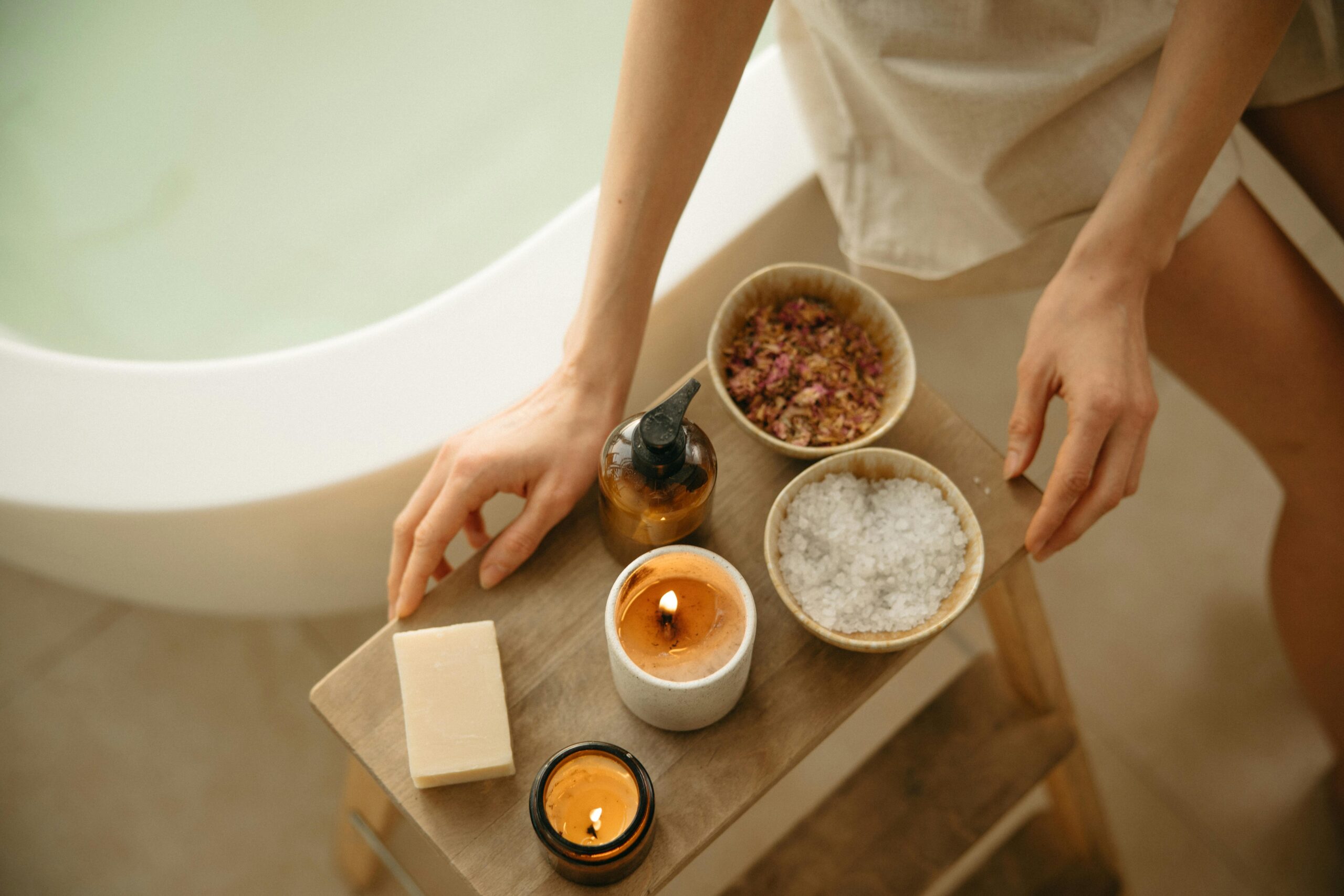
Set out a plush towel or robe in a warm space. If possible, slightly increase the room temperature so you won’t experience a jarring temperature shift. Consider placing a yoga mat, meditation cushion, or comfortable chair nearby where you can sit for your grounding practice. Dim the lights or light candles to maintain the tranquil atmosphere you’ve created.
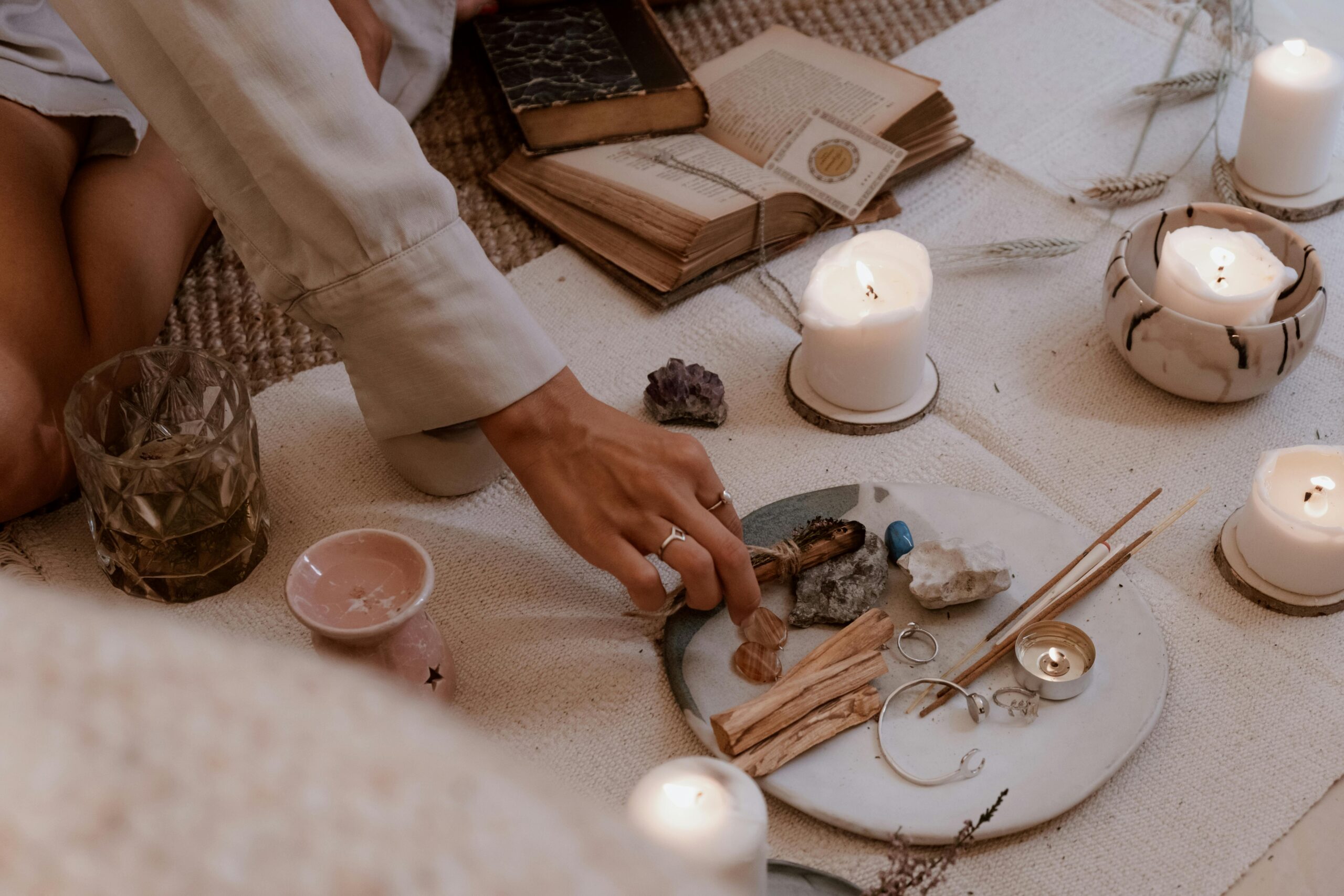
Have any tools you might want readily available—essential oils, a journal, grounding crystals, comfortable clothing, or a warm beverage. The goal is to eliminate any barriers between your bath and your grounding practice, allowing for a seamless transition that preserves your relaxed state.
The Mindful Transition: From Water to Earth
How you exit your bath matters. Rather than quickly jumping out, move slowly and deliberately. Place both hands on the sides of the tub and take three deep breaths, acknowledging the shift you’re about to make. As you step out, feel your feet making contact with the floor or bath mat, noticing the temperature, texture, and solidity beneath you.
This is your first grounding moment—the literal reconnection with solid ground after floating in water. Don’t rush it. Stand still for a moment, feeling the difference between being supported by water and being supported by the earth. Notice how gravity feels on your water-warmed body.
As you dry yourself, do so mindfully. Feel the texture of the towel against your skin. Notice which areas of your body feel most relaxed, which might still hold tension. This body scan while drying is an extension of your bath meditation and the beginning of your grounding practice.
Breathing Techniques to Anchor Your Calm ✨
Once you’ve dried off and donned comfortable clothing or a robe, your first dedicated grounding practice should focus on breath. Your breath is always with you and serves as the most accessible anchor to the present moment.
Try the 4-7-8 breathing technique: inhale through your nose for four counts, hold for seven counts, and exhale through your mouth for eight counts. Repeat this cycle four times. This pattern activates your parasympathetic nervous system, deepening the relaxation your bath has already initiated.
Alternatively, practice box breathing: inhale for four counts, hold for four, exhale for four, hold empty for four. This technique, used by Navy SEALs to maintain calm in stressful situations, is equally effective for preserving post-bath tranquility.
As you breathe, place one hand on your heart and one on your belly. Feel the rise and fall of your breath. This physical connection reinforces your awareness of your body and the present moment, key components of effective grounding.
Physical Grounding Practices for Embodied Presence
Physical grounding techniques help you reconnect with your body and the earth beneath you. After your bath, while your muscles are warm and pliable, these practices feel especially nourishing and effective.
Stand barefoot on the floor—ideally on a natural surface like wood or stone rather than carpet. Spread your toes wide and press all four corners of each foot firmly into the ground. Close your eyes and visualize roots growing from the soles of your feet deep into the earth. Imagine drawing up stabilizing energy from the ground with each inhale.
If weather and circumstances permit, stepping outside barefoot onto grass, soil, or sand provides powerful direct grounding. The earth’s natural electrical charge can help balance your body’s electrical state. Even just a few minutes of direct contact with the earth can be profoundly centering.
Gentle stretching also serves as excellent physical grounding. Your warm muscles are ready for movement. Try these simple stretches:
- Neck rolls in both directions, moving slowly and breathing deeply
- Shoulder shrugs and circles to release any remaining upper body tension
- Forward fold, allowing your head and arms to hang heavy, feeling gravity’s pull
- Cat-cow stretches on hands and knees, synchronizing movement with breath
- Child’s pose, connecting your forehead to the ground and breathing into your back
🧘 Meditation and Mindfulness for Deeper Integration
With your body grounded and your breath steady, this is an ideal time for meditation. You don’t need to sit for an hour—even five to ten minutes of meditation after your bath can significantly extend and deepen your sense of peace.
Find a comfortable seated position, whether on a meditation cushion, chair, or even lying down. Set a gentle timer so you won’t worry about the time. Close your eyes or maintain a soft downward gaze.
Practice a body scan meditation, starting at the crown of your head and slowly moving your awareness down through your body to the tips of your toes. Notice sensations without judgment—warmth from the bath, the softness of your skin, the weight of your body, areas of relaxation or remaining tension. This practice deepens your mind-body connection and grounds your awareness in physical sensation.
Alternatively, try a gratitude meditation. Reflect on the simple luxury of having had time for a bath, access to clean water, a warm space, and a body that carries you through life. Gratitude naturally anchors us in the present moment and shifts our perspective toward abundance rather than lack.
For those who prefer guided meditation, there are numerous apps available that offer post-bath or evening relaxation meditations. These can be particularly helpful if you’re new to meditation or find it difficult to maintain focus independently.
Aromatherapy and Sensory Grounding 🌸
Your sense of smell is directly connected to the limbic system in your brain, which governs emotions and memory. Using aromatherapy as part of your post-bath grounding practice can anchor your relaxed state and create powerful sensory associations.
Choose essential oils known for their grounding properties. Vetiver, patchouli, cedarwood, and sandalwood all have earthy, anchoring qualities. Lavender promotes continued relaxation, while frankincense supports meditation and spiritual connection. Bergamot and ylang-ylang can uplift while still maintaining a sense of calm.
Apply diluted essential oils to your pulse points—wrists, temples, behind the ears, and the soles of your feet. As you massage the oil into your skin, breathe deeply, allowing the aroma to fill your senses. This becomes both a grounding ritual and a form of self-massage that extends the care you’ve shown yourself during your bath.
You can also diffuse essential oils in your post-bath space, use a room spray, or simply place a drop on a tissue and inhale deeply. Each time you smell that particular scent in the future, it will trigger sense memory of this peaceful, grounded state, making it easier to access calm even when you’re not fresh from a bath.
Journaling: Processing and Anchoring Your Experience 📝
Writing after your bath serves multiple grounding functions. It processes emotions and thoughts that may have surfaced during your quiet bathing time, anchors insights or intentions in tangible form, and creates a mindful transition activity that keeps you in a reflective state.
You don’t need to write pages—even a few sentences can be powerful. Consider these journaling prompts for post-bath grounding:
- What sensations am I noticing in my body right now?
- What thoughts or emotions emerged during my bath?
- What am I grateful for in this moment?
- How do I want to carry this sense of peace forward?
- What does my body need from me right now?
The act of putting pen to paper (rather than typing) is itself a grounding practice. The physical sensation of writing, the focus required to form letters and words, and the slower pace compared to typing all contribute to present-moment awareness.
Some people find it helpful to keep a dedicated “bath journal” where they record their experiences, track which bath ingredients or grounding practices work best, and note how their stress levels and well-being change over time. This creates accountability for your self-care practice and allows you to see patterns and progress.
Nourishing Your Body: Hydration and Gentle Nutrition 🍵
Grounding isn’t only mental and emotional—it’s also physical. After a warm bath, your body has lost fluids through perspiration, making hydration an important element of your post-bath routine.
Prepare a nourishing beverage before your bath so it’s ready when you emerge. Herbal tea is ideal—chamomile, passionflower, or valerian for evening relaxation, or peppermint and ginger for gentle alertness if you’ve bathed during the day. The warmth of the tea maintains your body’s comfortable temperature while the act of mindfully sipping becomes another grounding practice.
Drinking water infused with cucumber, lemon, or berries adds gentle flavor while encouraging hydration. As you drink, notice the temperature and taste of the liquid, how it feels moving down your throat, the satisfaction of meeting your body’s need for fluids.
If you’re hungry, choose light, nourishing foods that won’t disrupt your relaxed state. Fresh fruit, a small handful of nuts, or a piece of dark chocolate can satisfy without creating heaviness. Eat slowly and mindfully, treating this too as part of your grounding practice rather than mindless consumption.
Creating Evening Rituals for Better Sleep 🌙
If you’re bathing in the evening, your post-bath grounding practice can seamlessly transition into your pre-sleep routine. The timing is actually ideal, as your body temperature will naturally drop after leaving the warm water, which signals to your brain that it’s time for sleep.
After your grounding practices, dim the lights further or use only soft lamplight. Avoid screens, as the blue light will counteract the relaxation you’ve cultivated. Instead, read a physical book, listen to calming music, or practice gentle restorative yoga poses.
Apply a rich body lotion or oil, turning this into a self-massage practice. Start with your feet—which symbolically represent your connection to the earth—and work upward. This not only moisturizes skin that may have dried from the bath but also provides another opportunity for mindful body awareness.
Consider incorporating progressive muscle relaxation as you lie in bed. Starting with your toes and moving upward, tense each muscle group for five seconds, then release completely. This practice helps you notice and release any remaining tension while reinforcing the connection between your conscious mind and physical body.
Weekly Practice: Deepening Your Grounding Connection
While occasional baths followed by grounding practices offer immediate benefits, establishing a regular routine amplifies the effects exponentially. Consistency trains your nervous system to move more easily into relaxed states and builds your capacity for presence and self-awareness.
Consider scheduling a weekly “grounding bath ritual” at the same day and time each week. This predictability allows you to look forward to your practice, and your body and mind will begin to anticipate and prepare for the relaxation.
Track your experience over several weeks. Notice whether you sleep better on nights when you’ve practiced grounding after your bath. Observe whether your overall stress levels decrease. Pay attention to whether you feel more present and less reactive in your daily life. These observations reinforce the value of your practice and motivate continued commitment.
As you become more experienced with post-bath grounding, you’ll discover which techniques resonate most deeply with you. Your practice will become personalized and intuitive—perhaps breathing exercises one week, journaling the next, or a combination that feels exactly right for what you need in that moment.
Overcoming Common Obstacles to Consistent Practice 💪
The most common barrier to maintaining a grounding practice is the feeling that you don’t have enough time. However, grounding after your bath doesn’t need to be time-consuming. Even five minutes of intentional practice provides significant benefits.
Start small if you’re new to these practices. Choose just one grounding technique each time you bathe—perhaps breathing one day, stretching the next, journaling another time. As the practices become habits, you’ll naturally want to spend more time on them, and you’ll find ways to create that time.
Another challenge is the pull to immediately return to responsibilities after your bath. Set boundaries around your bath time by communicating with family members, putting your phone on “do not disturb,” and giving yourself permission to prioritize self-care. Remember that when you’re grounded and regulated, you show up better for everyone and everything in your life.
If you find your mind wandering to your to-do list during grounding practices, acknowledge the thoughts without judgment and gently return your focus to your breath, body, or chosen practice. This is the work of mindfulness—not having a perfectly clear mind, but noticing when attention has wandered and choosing to return to the present.
Carrying Your Grounded State Into Daily Life 🌟
The ultimate purpose of grounding yourself after a bath isn’t just to feel good in that moment—it’s to build your capacity for presence, calm, and self-awareness that extends into all areas of your life. Your post-bath practice is training for how you want to live.
Throughout your day, you can return to the grounding techniques you’ve practiced. When stress arises, take three deep breaths using the pattern you’ve learned. When you feel scattered, stand barefoot and press your feet firmly into the ground. When overwhelmed, close your eyes and do a quick body scan, noticing sensations without needing to change them.
These micro-practices, repeated throughout your day, create cumulative effects on your nervous system and mental health. They remind you that you always have access to calm, that you can always come back to your body and breath, that grounding is available in any moment—not just after a luxurious bath.
Your regular bath and grounding practice becomes an anchor point, a touchstone you return to regularly that reminds you what presence and peace feel like. From that centered place, you make better decisions, communicate more clearly, respond rather than react, and experience more joy in everyday moments.
The practice of grounding yourself after a rejuvenating bath is a gift you give yourself—not a luxury but a necessity in our fast-paced, often overwhelming world. It’s a declaration that you matter, that your well-being is important, and that you deserve time and space to reconnect with yourself. As you step out of the bath and into your grounding practice, you step into a more conscious, connected, and peaceful way of being. And that ripples out into everything you do and everyone you encounter.