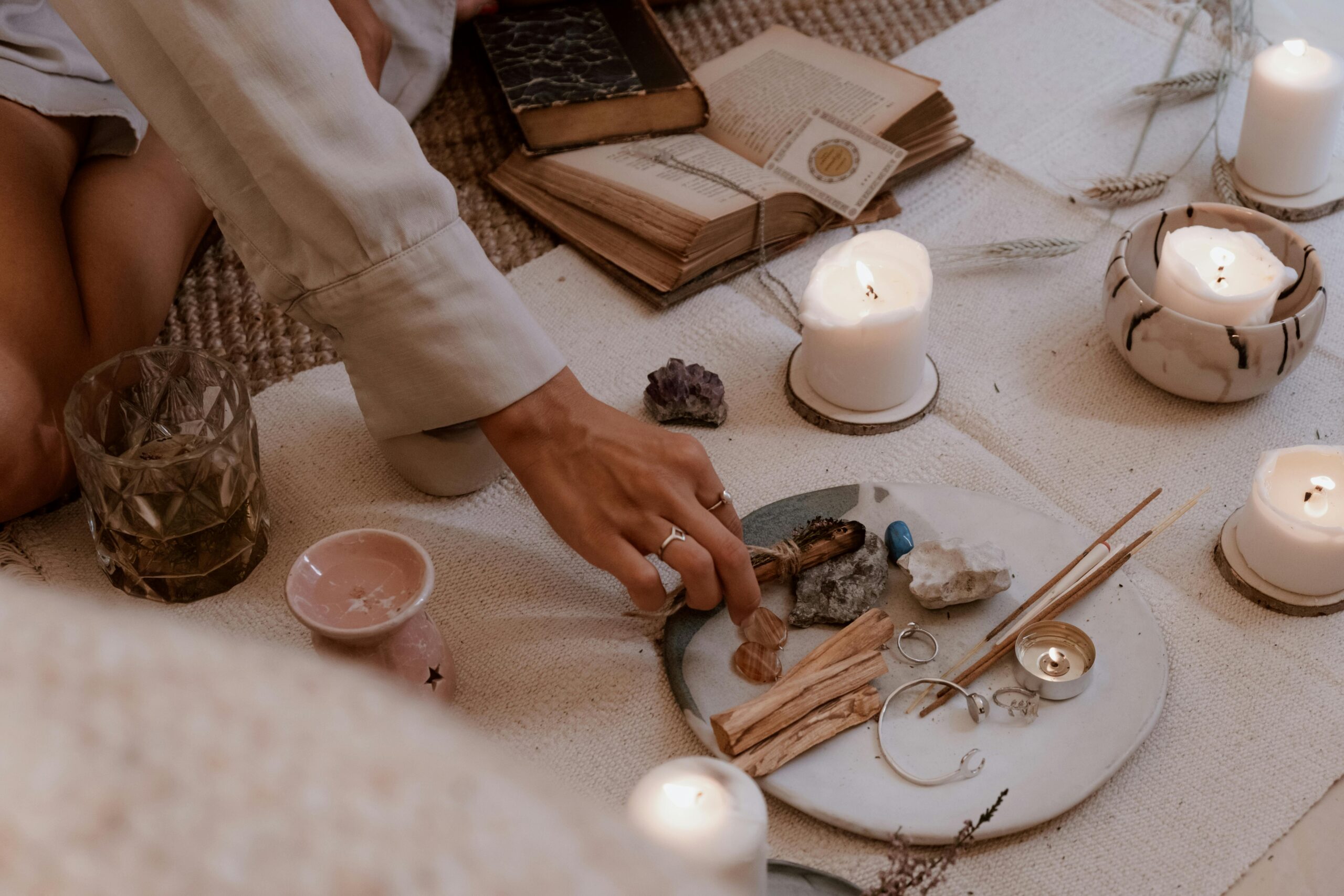
A memory candle ceremony offers a profound way to celebrate the lives of those we’ve lost, creating a sacred space where love, light, and remembrance intertwine beautifully.

Loss is an inevitable part of the human experience, yet finding meaningful ways to honor those who have passed can bring comfort during our darkest moments. The simple act of lighting a candle transforms into something much deeper when done with intention and love. This ancient practice transcends cultures, religions, and generations, serving as a universal symbol of hope, remembrance, and eternal connection.
✨ The Sacred Symbolism Behind Memorial Candles
Throughout history, candles have represented the bridge between the physical and spiritual worlds. When we light a memory candle, we’re not simply illuminating a wick—we’re creating a visible representation of the invisible bond that continues to exist with our departed loved ones. The flame dances like life itself: fragile yet resilient, temporary yet eternally recurring.
In many spiritual traditions, light symbolizes the soul’s journey. Christians light candles during prayer vigils, Jews observe yahrzeit candles on the anniversary of a death, and Buddhists use candles during meditation to represent enlightenment. This cross-cultural reverence for candlelight speaks to something deeper within the human psyche—our need to transform grief into something tangible and beautiful.
The warmth emanating from a candle’s flame mirrors the warmth our loved ones brought into our lives. Even after they’re gone, that warmth continues to radiate through our memories, our stories, and the ways they shaped who we’ve become. A memory candle ceremony acknowledges this continuing presence while providing a structured way to process grief and celebrate life.
🕯️ Planning Your Memory Candle Ceremony
Creating a meaningful memory candle ceremony doesn’t require elaborate preparations or expensive materials. What matters most is the intention behind the gathering and the space you create for authentic remembrance. Whether you’re organizing a ceremony for one person or hosting a community event, thoughtful planning ensures the experience honors both the departed and those who gather to remember them.
Choosing the Right Setting and Time
The location of your ceremony significantly impacts its atmosphere. Consider spaces that held meaning for your loved one—perhaps their favorite garden, a peaceful beach at sunset, or the comfort of your family home. Indoor ceremonies offer control over lighting and weather, while outdoor settings provide natural beauty and a sense of connection to the universe.
Timing also carries symbolic weight. Many families hold memory candle ceremonies on significant dates: birthdays, anniversaries, holidays, or the anniversary of passing. However, there’s no wrong time to gather in remembrance. Sometimes the heart simply knows when it needs this ritual of connection and healing.
Gathering Your Materials
The beauty of a memory candle ceremony lies in its simplicity. Here’s what you might consider including:
- Memorial candles in various sizes (consider having one central candle and smaller individual candles for participants)
- Matches or lighters (keep extras on hand)
- Candle holders or luminaries for safety
- Photographs of your loved one displayed thoughtfully
- Fresh flowers or meaningful objects that represent their personality
- A small table or altar space to arrange items
- Comfortable seating arranged in a circle or semi-circle
- Tissues (grief often surfaces unexpectedly)
- A journal or memory book where attendees can write reflections
💫 Structuring the Ceremony: A Step-by-Step Guide
While there’s no single “correct” way to conduct a memory candle ceremony, having a gentle structure helps participants feel comfortable and ensures the gathering flows naturally from beginning to end. Think of this structure as a vessel that holds space for authentic emotion rather than a rigid script to follow.
The Opening: Creating Sacred Space
Begin by welcoming participants and acknowledging why you’ve gathered. This opening moment sets the tone for everything that follows. You might say something like: “We come together today to honor [name], to share our memories, and to celebrate the light they brought into our lives.”
Consider starting with a moment of silence, allowing everyone to center themselves and transition from the outside world into this sacred time of remembrance. Some families prefer to open with a meaningful poem, prayer, or piece of music that held significance for the deceased.
Lighting the Memory Candle
The central act of the ceremony involves lighting candles with intention. If gathering with others, one approach is to light a central memorial candle first, explaining that this flame represents your loved one’s enduring spirit. From this flame, participants can light their individual candles, symbolizing how one life touches many others.
As each person lights their candle, they might share a brief memory, a quality they admired, or simply speak their loved one’s name. There’s something profoundly moving about watching light multiply throughout a group—a visual representation of how love and memory spread and grow rather than diminish with sharing.
Sharing Stories and Reflections
Once all candles are lit, invite participants to share memories, stories, or reflections. Emphasize that there’s no pressure to speak and that silence is also a valid form of participation. Some of the most healing moments occur in the quiet spaces between words, when we simply sit together in our shared grief and love.
Encourage authentic storytelling—funny anecdotes, ordinary moments, challenging memories alongside beautiful ones. Our loved ones were complex, full humans, and honoring them authentically means acknowledging their whole selves rather than creating sanitized versions of who they were.
🌟 Meaningful Elements to Enhance Your Ceremony
While the core of a memory candle ceremony centers on light and reflection, incorporating additional elements can deepen the experience and make it more personally meaningful. Choose additions that resonate with your loved one’s personality and values rather than including something simply because it seems traditional or expected.
Music and Sound
Music speaks to grief in ways words cannot. Consider playing songs that were meaningful to your loved one or that capture the emotions of loss and love. Live music, if someone in your gathering plays an instrument, adds an especially intimate touch. Alternatively, meaningful silence punctuated only by natural sounds can be equally powerful.
Written Tributes and Memory Sharing
Providing paper and pens allows participants to write messages, memories, or letters to the deceased. These written tributes can be placed around the memorial candle, read aloud if the writer wishes, or kept private. Some families create ongoing memory books that they add to during annual ceremonies, building a rich collection of stories and reflections over time.
Symbolic Releases
Many ceremonies incorporate a symbolic release at the closing—biodegradable balloons with messages attached, flower petals scattered in water, or simply blowing out the candles while making a wish or saying a final goodbye. These acts of release acknowledge that while we hold our loved ones in memory, we must also continue moving forward in our own lives.
🌙 Adapting Ceremonies for Different Circumstances
Memory candle ceremonies can be customized for various situations, relationships, and types of loss. The flexibility of this practice makes it appropriate for many different grief experiences.
Annual Remembrance Gatherings
Some families establish annual memory candle ceremonies on significant dates, creating an ongoing tradition that provides continuity and structure for grief over the years. These annual gatherings often evolve naturally, becoming less heavy with acute pain and more focused on celebration and gratitude as time passes.
Community Memorial Events
Larger community gatherings might honor multiple individuals or commemorate collective losses—such as ceremonies for healthcare workers lost during a pandemic, victims of tragedy, or community members who passed during the year. These broader ceremonies create powerful experiences of shared humanity and mutual support.
Private Individual Rituals
Not all memory candle ceremonies need to be group events. Lighting a candle alone in quiet reflection offers its own form of healing. Many people establish personal rituals of lighting a memory candle during difficult moments, on ordinary days when they feel their loved one’s absence acutely, or as part of regular spiritual practice.
💝 The Healing Power of Ritual and Remembrance
Research in grief psychology confirms what human beings have intuitively known for millennia: ritual helps us process loss. When we engage in structured activities that honor the deceased, we activate multiple forms of healing simultaneously. We give our grief a container, we connect with others who share our loss, and we affirm that our loved one’s life mattered.
Dr. Alan Wolfelt, a renowned grief counselor, speaks about the importance of “mourning” versus simply “grieving.” Grieving happens internally, often in isolation. Mourning—expressing grief outwardly through ritual, ceremony, and sharing—is what allows healing to occur. A memory candle ceremony transforms private grief into shared mourning, creating space for the emotional processing that leads to integration rather than suppression of loss.
The repetitive, symbolic nature of lighting candles also engages what psychologists call “ritual efficacy”—the way that meaningful actions performed with intention can shift our emotional and even physiological state. The simple act of striking a match becomes meditation, prayer, and commemoration all at once.
🕊️ Creating Lasting Memories from Your Ceremony
Many families find comfort in documenting their memory candle ceremony in some way, creating tangible reminders they can return to when grief resurfaces or when they want to reconnect with the sense of love and community the gathering created.
Consider designating someone to take photographs during the ceremony (with participants’ permission). Images of candles glowing, hands holding flames, and faces illuminated by candlelight capture the beauty and solemnity of the occasion. These photos become precious over time, reminding us of the people who showed up to honor our loved one and support us in grief.
Video recordings of story-sharing portions preserve voices and laughter, keeping memories vivid for years to come. Audio recordings work well for those who find video too intrusive. Even simple written notes documenting who attended and what stories were shared create valuable records.
🌸 Extending the Light: Living Memorials
The most profound memory candle ceremonies don’t end when the flames are extinguished. They inspire us to carry forward the light our loved ones brought into the world. Consider ways to extend the ceremony’s spirit into ongoing action and remembrance.
Some families establish charitable giving in their loved one’s name, creating scholarships, supporting causes they cared about, or organizing volunteer activities as living memorials. Others plant memorial gardens, with the understanding that they’ll tend these growing things as a continuing act of remembrance and love.
The concept of being a “living memorial” invites us to embody the qualities we most admired in those we’ve lost. If your mother was generous, practice generosity. If your friend was courageous, choose courage. If your child saw wonder in small things, cultivate that sense of wonder. In this way, their light continues to illuminate the world through us.
🙏 Embracing Imperfection and Authentic Emotion
One final essential truth about memory candle ceremonies: they don’t need to be perfect. Candles will blow out in the wind. Someone will cry at an unexpected moment. Laughter might bubble up alongside tears. Words will fail, and silence will feel awkward. All of this is not only okay—it’s evidence that the ceremony is real, honest, and human.
Grief doesn’t follow scripts or timelines. It erupts unpredictably, softens gradually, and revisits us when we least expect it. A meaningful memory candle ceremony holds space for all of grief’s complexity—the anger, the yearning, the gratitude, the regret, the love that remains when everything else is gone.
Allow your ceremony to reflect this messy, beautiful reality. Trust that gathering with intention, lighting flames of remembrance, and speaking the names of those we’ve lost creates something sacred regardless of whether everything goes according to plan. The heart knows what it needs, and a simple candle flame can illuminate more than we ever imagined possible.
When we illuminate the heart through memory candle ceremonies, we participate in one of humanity’s most ancient and enduring practices. We declare that those we’ve loved still matter, that their impact continues, and that the bonds of love are stronger than death itself. In the gathering darkness, we light our candles. And together, we remember. And in remembering, we heal.