In our fast-paced modern world, finding moments of tranquility can feel impossible. Yet, nature offers a sanctuary where mindful walking transforms ordinary steps into extraordinary journeys toward inner peace.

🌿 The Ancient Wisdom of Walking Meditation
For thousands of years, contemplative traditions across the globe have recognized walking as a powerful vehicle for meditation and self-discovery. From Buddhist monks pacing temple gardens to Native American vision quests in wilderness landscapes, the practice of mindful walking has served as a bridge between physical movement and spiritual awakening.
Unlike seated meditation, walking meditation allows us to engage with our environment while maintaining awareness. The rhythmic motion of placing one foot before the other creates a natural anchor for attention, similar to how breath serves as a focal point in traditional meditation practices. This dynamic form of mindfulness feels more accessible to many people who struggle with sitting still.
The beauty of nature walking lies in its simplicity. You need no special equipment, no gym membership, and no instructor. Simply step outside, slow down your pace, and allow yourself to become fully present with each footfall, each breath, and each sensation that arises.
Preparing Your Mind and Body for the Journey
Before embarking on your transformative nature walk, intentional preparation sets the foundation for a deeper experience. Begin by choosing a location that resonates with your spirit—whether a forest trail, beach pathway, mountain terrain, or even a quiet urban park. The specific setting matters less than your willingness to engage with mindful presence.
Dress comfortably in layers appropriate for the weather conditions. While technology can enhance certain aspects of life, consider leaving your phone behind or switching it to airplane mode. This deliberate disconnection from digital distractions creates space for authentic connection with yourself and nature.
Set a clear intention for your walk. Perhaps you seek clarity on a specific issue, desire emotional healing, or simply wish to cultivate present-moment awareness. Articulating your purpose, even silently to yourself, directs your attention and enriches the experience.
Essential Elements to Consider
Your mindful nature walk benefits from attention to several key elements that create optimal conditions for inner peace:
- Choose a time when natural light enhances visibility and safety, preferably early morning or late afternoon
- Select a route familiar enough to navigate without constant vigilance but interesting enough to maintain engagement
- Allocate sufficient time—at least 20 to 30 minutes—to shift from ordinary awareness into meditative presence
- Inform someone of your location and expected return time for safety purposes
- Bring water to stay hydrated without letting thirst become a distraction
The Art of Mindful Walking: Techniques That Transform
As you begin your walk, resist the temptation to rush toward a destination. Instead, view each step as the destination itself. Start by walking at approximately half your normal pace, allowing yourself to notice the mechanics of movement—how your heel touches earth first, how weight transfers through your foot, how your body naturally balances.
Coordinate your breathing with your steps. You might inhale for three steps, exhale for three steps, finding a rhythm that feels natural and sustainable. This synchronization of breath and movement creates a meditative cadence that quiets mental chatter and anchors you in the present moment.
Engage all five senses deliberately. What do you see? Notice colors, textures, patterns, and movements in your environment. What do you hear? Birds singing, wind rustling leaves, your own footsteps crunching on the path. What do you smell? Earth, flowers, rain, pine needles. What do you feel? Air temperature on your skin, clothing against your body, ground beneath your feet. What do you taste? Perhaps the freshness of the air itself.
🧘 Working With the Wandering Mind
Your mind will inevitably wander during mindful walking—this is completely normal and expected. When you notice thoughts drifting to your to-do list, past conversations, or future worries, simply acknowledge them without judgment and gently redirect attention back to the sensory experience of walking.
Some practitioners find it helpful to use mental labels: “thinking” when noticing the mind has wandered, “feeling” when emotions arise, “sensing” when returning to physical experience. These simple labels create just enough distance from thoughts to prevent getting swept away by them.
Rather than viewing mental wandering as failure, recognize it as an essential part of the practice. Each time you notice distraction and return to presence, you strengthen your capacity for mindful awareness—like doing repetitions at a gym, but for your attention muscle.
Nature as Your Teacher: Lessons From the Living World
The natural world offers profound teachings for those willing to observe with open awareness. Trees demonstrate patience, growing slowly and steadily through all seasons. Rivers show acceptance, flowing around obstacles rather than fighting against them. Mountains embody stability, remaining grounded despite changing weather conditions.
As you walk, notice how nature operates without resistance to what is. A flower doesn’t question whether it should bloom; it simply blooms when conditions align. Animals don’t worry about the future or ruminate about the past; they respond authentically to present circumstances. These observations can inspire similar qualities within yourself.
Pay attention to cycles and patterns. The rhythm of seasons, the predictability of sunrise and sunset, the patterns in leaves and bark—all remind us that change is constant yet orderly, that endings always contain seeds of new beginnings. This perspective can bring comfort when facing personal transitions or challenges.
Overcoming Common Obstacles to Mindful Walking
Many people encounter resistance when first attempting mindful nature walks. You might feel impatient, convinced you’re “doing it wrong,” or frustrated by persistent mental chatter. These experiences are universal among beginners and even experienced practitioners.
Physical discomfort sometimes arises—tired legs, sore feet, or general restlessness. Rather than viewing discomfort as a problem to solve immediately, try observing it with curiosity. Where exactly is the sensation located? Does it remain constant or change? What story is your mind telling about the discomfort?
Weather conditions that initially seem unfavorable—light rain, wind, or clouds—can actually deepen your practice by challenging you to remain present despite discomfort. Of course, avoid genuinely dangerous conditions, but don’t let imperfect weather become an excuse to skip your walk entirely.
Creating Consistency Through Realistic Goals
Building a sustainable mindful walking practice requires realistic expectations. Start with short walks of 10 to 15 minutes if longer durations feel overwhelming. Consistency matters more than duration—three 15-minute walks weekly will produce more benefits than one ambitious two-hour walk followed by weeks of inactivity.
Schedule your walks as non-negotiable appointments with yourself. Treat this time as sacred, protecting it from other obligations and distractions. Early morning works well for many people, before daily demands accumulate and deplete motivation and energy.
🌅 Deepening Your Practice Over Time
As mindful walking becomes more familiar, experiment with variations that keep the practice fresh and engaging. Try walking meditation in different environments—switching between forest, beach, and mountain settings reveals how different landscapes evoke different internal states.
Introduce themed walks where you focus exclusively on one sense. On a “seeing” walk, pay extraordinary attention to visual details you normally overlook. On a “listening” walk, close your eyes periodically while standing still, opening your auditory awareness to sounds both near and distant.
Some practitioners incorporate loving-kindness meditation into their walks, silently offering good wishes to beings encountered along the path—other walkers, animals, plants, and the earth itself. This practice cultivates compassion while maintaining mindful presence.
Journaling to Integrate Insights
Consider carrying a small notebook to record observations, insights, or feelings that arise during or immediately after your walk. This practice need not be elaborate—even a few sentences capturing your experience helps integrate lessons learned and tracks your evolution over time.
Review your journal entries periodically to notice patterns. Perhaps certain locations consistently evoke peace, or particular weather conditions enhance your capacity for presence. These observations help you optimize future walks while providing tangible evidence of your growing mindfulness capacity.
The Science Behind Walking Meditation and Inner Peace
Modern neuroscience validates what contemplative traditions have long understood: mindful walking produces measurable changes in brain structure and function. Research shows that regular mindfulness practice increases gray matter density in brain regions associated with emotional regulation, self-awareness, and perspective-taking.
Walking in nature specifically reduces activity in the subgenual prefrontal cortex—a brain region associated with rumination and negative thought patterns. Studies demonstrate that just 90 minutes in natural settings decreases rumination and improves mood compared to urban walking.
The combination of gentle physical activity, mindful awareness, and nature exposure creates a powerful cocktail for stress reduction. Walking lowers cortisol levels, reduces blood pressure, and activates the parasympathetic nervous system—our body’s natural relaxation response.
🌸 Extending Mindfulness Beyond the Trail
The ultimate goal of mindful walking isn’t simply to feel peaceful during the walk itself, but to cultivate presence that permeates all aspects of life. The skills developed on the trail—noticing when attention wanders, returning to the present moment, observing without judgment—transfer directly to everyday situations.
You might find yourself pausing before reacting to a difficult email, taking three conscious breaths before a challenging conversation, or noticing beauty in previously overlooked moments. These spontaneous instances of mindfulness signal that your practice is integrating into daily life.
Practice bringing walking meditation awareness to ordinary activities. Walk mindfully from your car to your workplace, from one room to another in your home, or while grocery shopping. Every step offers an opportunity to return to presence, transforming mundane moments into portals to peace.
Building Community Around Mindful Walking
While solitary walks offer valuable introspection, walking with others provides different benefits. Mindful walking groups create accountability, shared learning, and the powerful experience of collective presence. Many meditation centers, yoga studios, and nature organizations offer guided mindful walking sessions.
If formal groups don’t exist in your area, consider starting your own. Invite a few friends to join weekly walks, establishing simple guidelines: maintain silence or minimal conversation, walk at a contemplative pace, and honor each person’s individual experience without imposing expectations.
Online communities can supplement in-person connections. Sharing experiences, challenges, and insights with others practicing mindful walking provides encouragement and fresh perspectives while reinforcing your commitment to the practice.
Seasonal Adjustments for Year-Round Practice
Each season offers unique opportunities and challenges for mindful nature walking. Spring walks immerse you in renewal and emergence—buds opening, birds returning, life awakening after winter dormancy. This energy can inspire personal growth and fresh beginnings in your own life.
Summer provides longer daylight hours and lush landscapes, though heat requires attention to hydration and timing walks during cooler morning or evening hours. The abundance of summer nature mirrors the fullness that mindfulness brings to experience.
Autumn walks showcase impermanence in vivid colors as leaves change and fall. This visual reminder of life’s transient nature can deepen acceptance of change in your personal circumstances. The crispness in the air and crunch of leaves underfoot offer distinct sensory engagement.
Winter walking demands more preparation but rewards with stark beauty and profound silence. Fewer people venture outdoors, offering increased solitude. The dormancy visible in nature reminds us that rest and regeneration are essential phases, not empty periods to rush through.
🌟 Embracing the Journey Without Attachment to Outcomes
Perhaps the most transformative aspect of mindful walking is learning to release expectations about what should happen. Some walks will feel transcendent, filled with insight and peace. Others will feel ordinary or even frustrating. Both types are equally valuable.
The practice isn’t about achieving a particular state of consciousness or solving all your problems. It’s about showing up consistently, meeting yourself and the present moment exactly as they are, without demanding they be different. This radical acceptance on the trail gradually extends to accepting yourself and life circumstances with similar grace.
Inner peace emerges not from perfect conditions but from the willingness to be present with whatever conditions exist. Your nature walks become a laboratory for practicing this acceptance in a relatively safe, supportive environment before applying it to more challenging life situations.
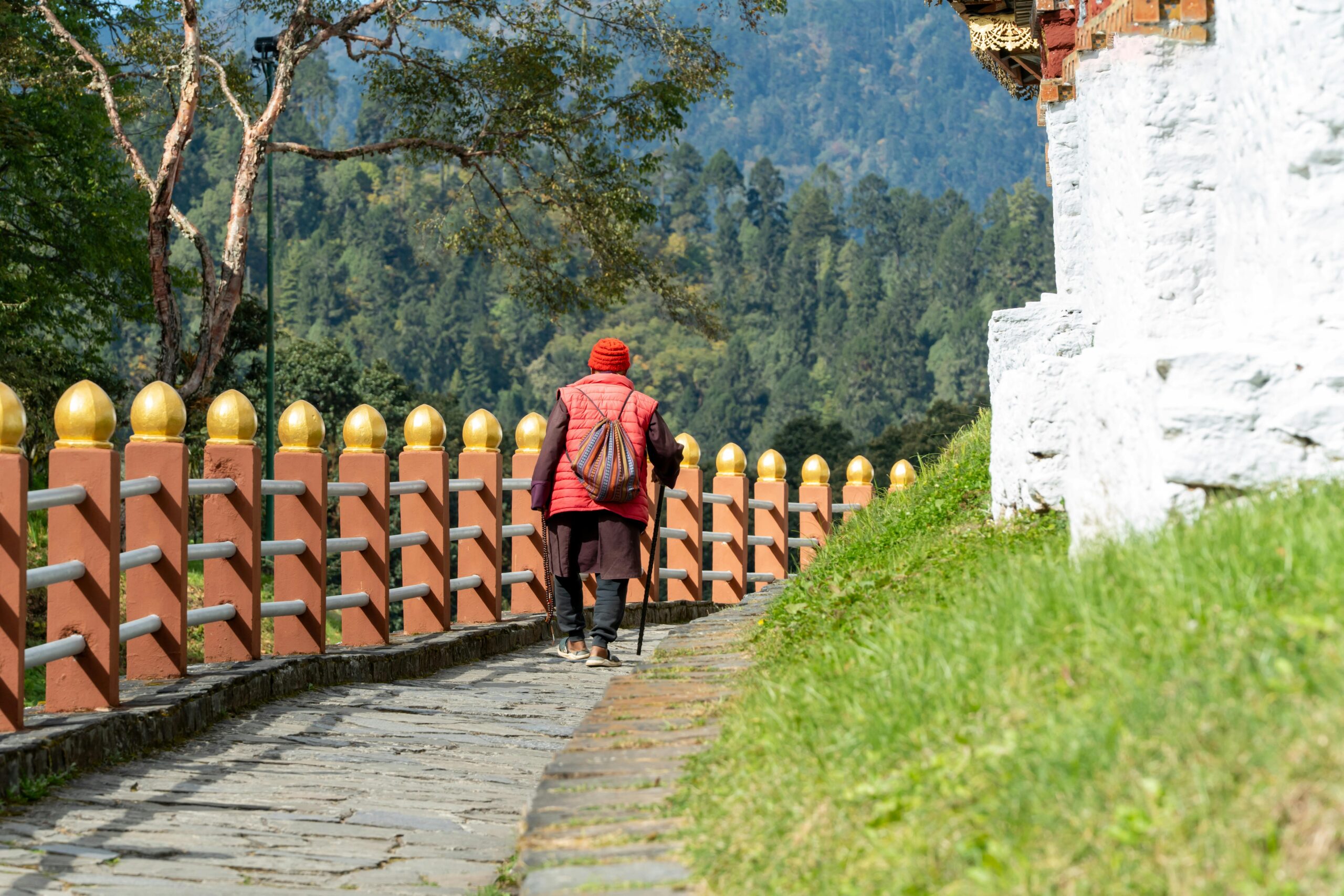
Your Personal Path to Serenity Awaits
The transformative power of mindful nature walking doesn’t require belief—only willingness to experience it directly. Each step on the path offers an invitation to return home to yourself, to reconnect with the present moment, and to discover the peace that exists beneath surface turbulence.
Begin today with whatever time and location you have available. Ten minutes in a local park holds more value than an imagined perfect hour you never take. Trust that small, consistent steps accumulate into profound transformation over time.
As you develop your practice, remember that you’re joining a timeless tradition of humans who have walked consciously through the world, seeking and finding peace, clarity, and connection. The path welcomes you exactly as you are, inviting you to step into serenity one mindful moment at a time. The journey begins now, with your very next step. 🚶♀️✨