In a world that often feels disconnected, the Circle of Support Intention offers a transformative approach to building meaningful relationships and fostering genuine care within our communities.

🌟 Understanding the Circle of Support Intention
The Circle of Support Intention represents a powerful framework for creating intentional communities of care around individuals who need support. This approach goes beyond traditional caregiving models by emphasizing collective responsibility, shared decision-making, and authentic human connection. At its core, this methodology recognizes that human beings thrive when surrounded by a network of people who genuinely care about their well-being and actively participate in their lives.
Unlike conventional support systems that often rely on professional services or family obligations, the Circle of Support Intention creates a voluntary network of friends, community members, and acquaintances who commit to showing up consistently. This intentionality transforms casual relationships into meaningful connections that can sustain individuals through life’s challenges and celebrations alike.
The concept originated from person-centered planning approaches developed for individuals with disabilities, but its applications have expanded far beyond this initial scope. Today, circles of support benefit elderly individuals, people recovering from illness, those experiencing mental health challenges, new parents, and anyone navigating significant life transitions.
The Foundation: Why Intentional Support Matters
Modern society has witnessed a troubling erosion of traditional community structures. Extended families live scattered across continents, neighborhood connections have weakened, and many people report feeling profoundly isolated despite being constantly connected through technology. This isolation doesn’t just affect emotional well-being—research consistently demonstrates that social disconnection impacts physical health, cognitive function, and overall life expectancy.
The Circle of Support Intention addresses this crisis by deliberately reconstructing the support networks that once existed naturally in tighter-knit communities. By making care intentional rather than accidental, we create reliable structures that people can depend on, even when traditional family or professional support systems are unavailable or insufficient.
This intentionality serves another crucial purpose: it distributes the responsibilities of care across multiple people, preventing caregiver burnout while ensuring that the person receiving support benefits from diverse perspectives, skills, and forms of assistance. No single person carries the entire burden, making support sustainable over the long term.
🤝 Core Principles That Make Circles Work
Several fundamental principles guide effective Circles of Support and distinguish them from other support models:
- Person-centered focus: The individual at the circle’s center maintains autonomy and directs their own support, determining what help they need and how they want to receive it.
- Voluntary participation: Circle members join because they genuinely want to contribute, not from obligation or payment, creating authentic relationships rather than transactional exchanges.
- Shared responsibility: Tasks and commitments distribute across the entire circle, ensuring sustainability and preventing any single person from becoming overwhelmed.
- Reciprocity and mutual benefit: While supporting one person, circle members also benefit from deeper connections, personal growth, and the satisfaction of meaningful contribution.
- Long-term commitment: Circles function best when members view their participation as an ongoing relationship rather than a temporary project.
- Regular communication: Consistent connection keeps everyone informed, engaged, and responsive to changing needs.
Building Your Circle: Practical Steps to Get Started
Creating a Circle of Support requires thoughtful planning and genuine relationship-building. The process typically unfolds in several distinct phases, each critical to establishing a functional and sustainable support network.
Identifying the Core Need
Begin by clearly articulating why a circle is needed and what kind of support would be most beneficial. This clarity helps potential members understand how they might contribute and whether the circle aligns with their capacity and interests. The person receiving support should lead this conversation whenever possible, expressing their hopes, concerns, and specific areas where additional support would enhance their quality of life.
This initial phase also involves honest assessment of existing support structures. What resources are already available? What gaps exist? Understanding the current landscape prevents duplication and ensures the circle complements rather than replaces existing support systems.
Gathering the Right People
The composition of a circle significantly impacts its effectiveness. Ideal members share genuine care for the person at the center while bringing diverse skills, perspectives, and availabilities. Some circles include family members alongside friends and community members, while others intentionally separate family and friendship circles to provide the person with different types of support environments.
When inviting potential members, be specific about what participation involves without being overly prescriptive. People need enough information to make informed commitments while maintaining flexibility for the circle to evolve organically. Personal invitations work better than mass appeals, as they communicate that each person’s unique contribution matters.
Establishing Rhythms and Structures
Successful circles balance structure with flexibility. Regular meetings—whether monthly gatherings, weekly check-ins, or daily brief communications—create predictability and ensure consistent connection. However, overly rigid structures can feel burdensome, potentially driving people away rather than drawing them in.
Many circles designate a coordinator or rotate this responsibility, ensuring someone tracks commitments, facilitates communication, and helps the group address challenges. This coordination role differs from leadership; the coordinator serves the circle rather than directing it, helping implement decisions made collectively.
💡 The Power of Intention in Daily Practice
The distinguishing feature of intentional circles is the conscious, deliberate nature of care they provide. This intentionality manifests in numerous practical ways that strengthen connections and ensure support remains responsive and meaningful.
Circle members practice intentional presence, showing up not just physically but emotionally and mentally. When spending time with the person they support, members put aside distractions, listen actively, and engage fully in shared activities. This quality of attention communicates value and respect more powerfully than any amount of distracted time.
Intentional communication ensures everyone stays informed and connected between meetings. Many circles use shared digital platforms, group messages, or regular email updates to maintain awareness of the person’s current situation, upcoming needs, and ways members can help. This communication prevents duplication while ensuring nothing falls through the cracks.
Proactive problem-solving characterizes intentional circles. Rather than waiting for crises to emerge, circle members anticipate challenges and address them collaboratively. This forward-thinking approach reduces stress for everyone involved and often prevents small concerns from becoming major problems.
Navigating Challenges Within the Circle
Even well-intentioned circles encounter difficulties. Recognizing common challenges and developing strategies to address them strengthens the circle’s resilience and sustainability.
Managing Uneven Participation
Circles often experience fluctuations in member participation. Life circumstances change, energy levels vary, and individual capacity shifts over time. Rather than viewing this as failure, successful circles normalize these fluctuations while maintaining core commitments. Regular check-ins allow members to renegotiate their involvement honestly, and the coordinator helps redistribute responsibilities when someone needs to step back temporarily.
Addressing Conflicts and Disagreements
When multiple people invest emotionally in supporting someone, disagreements inevitably arise about the best approaches or appropriate boundaries. Effective circles establish communication norms early, creating safe spaces for expressing differing perspectives respectfully. The person at the center maintains final decision-making authority about their own life, which helps resolve disputes about what’s “best” for them.
Preventing Dependency and Maintaining Autonomy
Well-meaning support can inadvertently undermine the autonomy of the person receiving help. Intentional circles constantly examine whether their support enables the person’s own choices and capabilities or creates unhealthy dependency. This requires honest conversations about the sometimes-uncomfortable tension between providing help and preserving independence.
🌍 Expanding Impact: From Individual Circles to Community Transformation
While individual circles powerfully impact the people directly involved, their influence extends much further. Communities that embrace circle-of-support approaches often experience broader cultural shifts toward greater connection and mutual care.
As people participate in circles, they develop skills in active listening, empathetic communication, and collaborative problem-solving that enhance all their relationships. They become more attuned to isolation and need in their communities, often initiating additional circles for others who could benefit. This ripple effect gradually transforms community culture from individualistic isolation toward interconnected support.
Organizations, schools, faith communities, and neighborhoods that actively promote circle-of-support models create environments where asking for and offering help becomes normalized rather than stigmatized. This cultural shift makes communities more resilient, as people know they can rely on networks of care during difficult times rather than struggling alone.
Technology as a Tool for Connection
While face-to-face connection remains irreplaceable, technology can significantly enhance circle coordination and communication, particularly when members live at a distance or have scheduling constraints that make frequent in-person meetings challenging.
Shared calendar applications help coordinate schedules, ensuring coverage for important appointments or regular check-ins. Communication platforms enable quick updates and questions between formal meetings. Document sharing allows circles to maintain updated information about medications, preferences, important contacts, and other details that multiple people might need to access.
However, technology works best as a supplement rather than replacement for personal connection. Circles that rely exclusively on digital communication often struggle to maintain the emotional depth and authentic relationship that makes intentional support powerful. The goal is finding the right balance that enhances rather than substitutes for genuine human presence.
🎯 Measuring Success: What Strong Connections Look Like
Evaluating the effectiveness of a Circle of Support requires looking beyond simple metrics to examine quality-of-life indicators and relationship depth. Successful circles demonstrate several observable characteristics that indicate strong, meaningful connections.
The person receiving support reports feeling less isolated and more confident navigating life challenges. They maintain or increase their independence rather than becoming more dependent. They express satisfaction with the quality and types of support they receive, and they feel their preferences and choices are respected consistently.
Circle members report finding the experience meaningful rather than burdensome. They feel their contributions matter and make genuine differences. They develop closer relationships not only with the person they support but also with other circle members, creating broader friendship networks.
The circle demonstrates flexibility and resilience, adapting to changing needs and circumstances without dissolving. Communication flows naturally, conflicts are addressed constructively, and the group maintains sustainable rhythms over extended periods.
Stories of Transformation: Real Impact of Intentional Circles
The abstract principles of Circle of Support Intention come alive through the concrete experiences of people whose lives have been transformed by this approach. Consider Sarah, a young woman with intellectual disabilities who moved from institutional care into her own apartment, supported by a circle of friends who helped her navigate independent living while respecting her autonomy and choices. Through consistent support and belief in her capabilities, Sarah developed skills and confidence her professional care team hadn’t thought possible.
Or James, an elderly widower experiencing increasing isolation after his wife’s death. His adult children lived across the country, and he had gradually withdrawn from community activities. A circle initiated by his neighbor brought together church members, former colleagues, and nearby residents who created regular opportunities for connection—weekly coffee gatherings, occasional outings, help with household tasks, and simply reliable companionship. Within months, James rediscovered purpose and joy, eventually becoming involved in mentoring younger community members himself.
These stories highlight how intentional support unlocks potential, restores dignity, and creates communities where everyone belongs and contributes according to their unique gifts and abilities.
🔄 Sustaining Circles for the Long Journey
Perhaps the greatest challenge circles face is maintaining commitment and energy over months and years. Initial enthusiasm inevitably wanes, life circumstances change, and the work of consistent care can feel repetitive or draining.
Sustainable circles build in regular renewal practices. Some schedule annual retreats where members reconnect with their original motivation and celebrate the circle’s impact. Others incorporate social gatherings purely for enjoyment, strengthening relationships beyond caregiving tasks. Many circles periodically welcome new members, bringing fresh perspectives and energy while allowing founding members to reduce their involvement if needed.
Acknowledging and celebrating small wins maintains motivation during challenging periods. Circles that notice and name progress—whether the person they support achieves a personal goal, a member discovers unexpected joy in their participation, or the group successfully navigates a difficult situation—create positive momentum that sustains commitment.
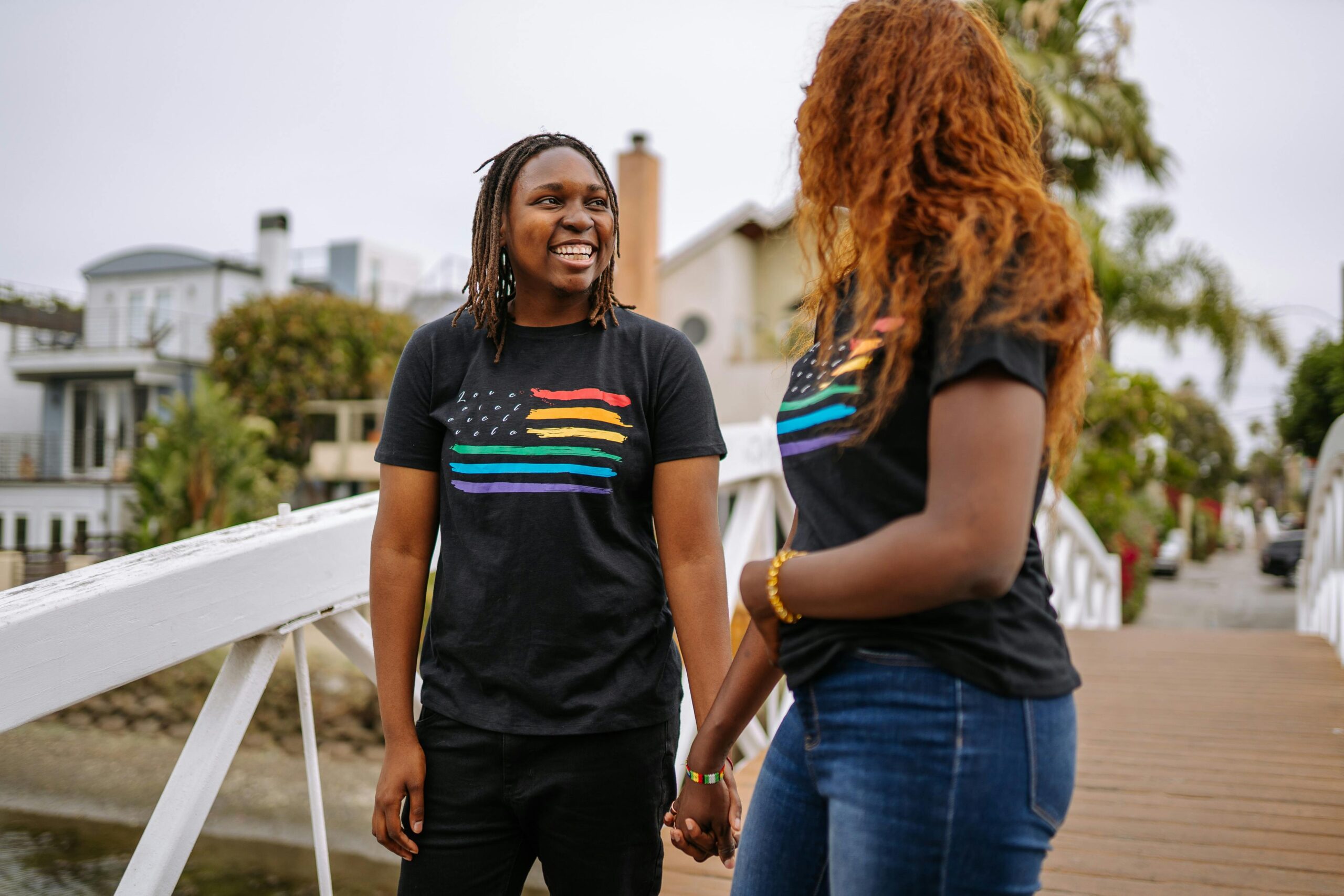
The Invitation: Creating Your Bridge of Care
Building bridges of care through Circle of Support Intention isn’t reserved for professionals or people with special training. It’s a practice available to anyone willing to show up consistently with genuine care and intention. The invitation extends in multiple directions—you might recognize someone in your community who would benefit from a circle, realize you could use this kind of support yourself, or feel called to help facilitate circles for others.
Beginning requires courage, as it challenges cultural norms of independence and self-sufficiency. It demands vulnerability to ask for help or to offer it without guarantees of reciprocation. But the potential rewards—deeper connections, stronger communities, and transformed lives—make this courage worthwhile.
The most profound realization that emerges from Circle of Support work is that everyone needs support, everyone has something to offer, and everyone belongs. By intentionally creating structures that honor these truths, we build bridges that don’t just connect individuals but transform entire communities into places of genuine belonging and mutual care.
The question isn’t whether you have time, resources, or capacity to participate in circles of support. The question is whether you’re willing to reimagine how humans can show up for each other, replacing isolation with connection and creating communities where everyone has access to the support they need to thrive. The bridges we build today become the pathways future generations will walk, moving us collectively toward a more connected, compassionate world. ✨