Threshold marker objects represent a revolutionary approach to modern data analysis, enabling organizations to identify critical decision points with unprecedented accuracy and efficiency. 🎯

Understanding the Foundation of Threshold Marker Objects
In the rapidly evolving landscape of data science and analytics, threshold marker objects have emerged as essential tools for identifying and managing critical data boundaries. These sophisticated constructs serve as intelligent checkpoints within datasets, allowing analysts to automatically detect when values cross predetermined thresholds that signal significant changes, anomalies, or opportunities.
At their core, threshold marker objects function as programmable sentinels that continuously monitor data streams and flag instances where values exceed, fall below, or match specific criteria. Unlike static thresholds that remain fixed regardless of context, modern threshold marker objects incorporate dynamic elements that adapt to changing conditions, seasonal variations, and contextual factors.
The power of these objects lies in their ability to transform raw data into actionable intelligence. By establishing clear boundaries between normal and exceptional states, organizations can automate decision-making processes, trigger appropriate responses, and allocate resources more effectively. This capability has become particularly valuable in industries where real-time monitoring and rapid response mechanisms determine success or failure.
The Architecture Behind Intelligent Threshold Systems
Threshold marker objects are built upon several fundamental components that work together to deliver precise analytical capabilities. The architecture typically includes detection mechanisms, validation layers, alerting systems, and feedback loops that continuously refine threshold accuracy.
The detection mechanism serves as the primary sensor, constantly scanning data points and comparing them against established criteria. This component must be highly efficient, capable of processing vast volumes of information without introducing latency or computational bottlenecks. Modern implementations often leverage streaming data architectures and in-memory processing to achieve real-time performance.
Validation layers add crucial context to raw threshold crossings. Not every boundary crossing warrants action; false positives can overwhelm systems and desensitize users to genuine alerts. Sophisticated validation employs statistical methods, historical pattern analysis, and machine learning algorithms to distinguish between meaningful events and random noise.
Dynamic Threshold Adjustment Mechanisms
One of the most powerful features of advanced threshold marker objects is their ability to self-adjust based on evolving patterns and conditions. Static thresholds that worked effectively six months ago may become obsolete as business conditions, user behaviors, or environmental factors change.
Dynamic adjustment mechanisms employ several strategies to maintain relevance:
- Statistical learning algorithms that analyze historical trends and seasonality patterns
- Contextual awareness systems that consider time-of-day, day-of-week, and seasonal factors
- Adaptive algorithms that respond to gradual shifts in baseline measurements
- Multi-dimensional analysis that considers correlation between related metrics
- Anomaly detection models that identify outliers without predefined thresholds
Practical Applications Across Industries
The versatility of threshold marker objects has led to widespread adoption across diverse sectors, each leveraging these tools to solve unique challenges and optimize specific processes. Understanding these applications provides insight into the transformative potential of precision threshold management.
Financial Services and Risk Management 💰
In financial services, threshold marker objects play a critical role in fraud detection, risk management, and regulatory compliance. Banks and payment processors deploy these systems to identify unusual transaction patterns that may indicate fraudulent activity. When transaction amounts, frequencies, or geographic patterns exceed established thresholds, automated systems can freeze accounts, request additional verification, or alert security teams.
Risk management systems utilize threshold markers to monitor portfolio exposure, market volatility, and credit risk indicators. As market conditions fluctuate, these objects trigger rebalancing actions, margin calls, or risk mitigation strategies that protect institutional and individual investors from excessive losses.
Healthcare Monitoring and Patient Safety
Healthcare applications of threshold marker objects have direct implications for patient outcomes and safety. Medical monitoring devices continuously track vital signs such as heart rate, blood pressure, oxygen saturation, and glucose levels. When readings cross critical thresholds, immediate alerts notify healthcare providers, enabling rapid intervention during medical emergencies.
Population health management systems employ threshold markers to identify patients at risk of developing chronic conditions or experiencing adverse events. By analyzing patterns in electronic health records, medication adherence, and laboratory results, these systems enable proactive care delivery and preventive interventions.
Manufacturing and Quality Control
Manufacturing environments leverage threshold marker objects to maintain product quality and optimize production processes. Sensors throughout production lines monitor temperature, pressure, vibration, and dimensional specifications. When measurements deviate from acceptable ranges, systems can automatically adjust process parameters, halt production, or alert quality control personnel.
Predictive maintenance applications use threshold markers to detect early warning signs of equipment failure. By monitoring vibration patterns, temperature fluctuations, and performance metrics, organizations can schedule maintenance before catastrophic failures occur, reducing downtime and extending asset lifespans.
Implementation Strategies for Maximum Effectiveness
Successfully implementing threshold marker objects requires careful planning, appropriate technology selection, and ongoing refinement. Organizations that approach implementation strategically achieve better results and faster time-to-value than those that adopt ad-hoc approaches.
Defining Meaningful Thresholds
The foundation of effective threshold management lies in selecting appropriate boundary values that balance sensitivity and specificity. Thresholds set too conservatively generate excessive false positives, creating alert fatigue and diminishing user trust. Conversely, thresholds set too liberally miss critical events, defeating the purpose of monitoring systems.
Establishing meaningful thresholds typically involves analyzing historical data to understand normal operating ranges and variation patterns. Statistical methods such as standard deviation analysis, percentile calculations, and control charts provide quantitative frameworks for threshold determination. Domain expertise complements statistical analysis by incorporating business context and operational knowledge.
Technology Stack Considerations
The technology infrastructure supporting threshold marker objects significantly impacts performance, scalability, and maintainability. Modern implementations often combine several technologies:
- Stream processing frameworks for real-time data ingestion and analysis
- Time-series databases optimized for temporal data storage and retrieval
- Machine learning platforms for dynamic threshold calculation and anomaly detection
- Visualization tools that enable intuitive threshold configuration and alert management
- Integration middleware connecting threshold systems with downstream action systems
Overcoming Common Implementation Challenges
Despite their powerful capabilities, threshold marker object implementations face several recurring challenges that organizations must address to achieve success.
Alert Fatigue and Noise Reduction
One of the most significant challenges in threshold management is preventing alert fatigue. When systems generate too many alerts, users become desensitized and may ignore genuine critical notifications. Addressing this challenge requires implementing intelligent filtering, alert aggregation, and priority classification systems.
Advanced implementations employ machine learning models that learn from user feedback, automatically adjusting sensitivity based on which alerts receive action versus which are dismissed. Contextual enrichment adds relevant information to alerts, helping users quickly assess severity and appropriate response actions.
Managing Threshold Drift and Obsolescence
Business conditions, user behaviors, and system characteristics evolve continuously, causing previously appropriate thresholds to become outdated. Organizations must establish processes for regular threshold review and adjustment, incorporating feedback from operational teams and performance metrics.
Automated threshold drift detection systems monitor alert patterns, response rates, and miss rates to identify thresholds requiring recalibration. Governance frameworks establish responsibility for threshold management and define review cycles that balance stability with adaptability.
The Future of Threshold Marker Objects in Analytics 🚀
As data volumes grow and analytical sophistication increases, threshold marker objects continue evolving to meet emerging requirements and leverage new technological capabilities. Several trends are shaping the future direction of this field.
Artificial Intelligence Integration
The integration of artificial intelligence and machine learning into threshold systems represents the most significant evolutionary trend. AI-powered threshold objects can automatically discover optimal boundary values, adapt to changing patterns without human intervention, and explain their decisions through interpretable models.
Deep learning approaches enable threshold systems to process unstructured data types including images, text, and audio, expanding their applicability beyond numerical metrics. Natural language processing allows users to define thresholds using conversational interfaces rather than complex configuration screens.
Multi-Dimensional Threshold Spaces
Traditional threshold markers operate along single dimensions, triggering when individual metrics cross boundaries. Advanced systems are moving toward multi-dimensional threshold spaces that consider combinations of factors and their interactions. This approach more accurately models real-world scenarios where critical conditions emerge from complex combinations of factors rather than single variable excursions.
Geometric approaches define threshold boundaries as shapes within multi-dimensional feature spaces, enabling more nuanced decision boundaries. These systems can identify subtle patterns that single-variable thresholds miss while maintaining interpretability through visualization techniques.
Building a Culture of Threshold-Driven Decision Making
Technology alone cannot maximize the value of threshold marker objects. Organizations must cultivate cultures that embrace data-driven decision making and establish processes that translate threshold crossings into appropriate actions.
Successful threshold-driven cultures share several characteristics. Leadership actively supports analytics initiatives and allocates resources for implementation and refinement. Teams receive training on interpreting threshold alerts and taking appropriate actions. Feedback mechanisms capture learning from threshold events, feeding insights back into system improvements.
Cross-functional collaboration ensures that threshold definitions incorporate diverse perspectives and operational realities. Technical teams work closely with domain experts to balance statistical rigor with practical considerations. Regular review sessions evaluate threshold effectiveness and identify opportunities for enhancement.
Measuring Success and Continuous Improvement
Evaluating the effectiveness of threshold marker object implementations requires establishing appropriate metrics and feedback mechanisms. Organizations should track both system performance indicators and business outcome measures to assess value delivery.
Key performance indicators for threshold systems include detection accuracy, false positive rates, response times, and system availability. Business impact metrics connect threshold functionality to organizational objectives such as cost reduction, revenue protection, customer satisfaction, or safety improvements.
Continuous improvement processes systematically analyze threshold performance, identify enhancement opportunities, and implement refinements. A/B testing approaches compare alternative threshold configurations to determine optimal settings empirically rather than relying solely on theoretical models.
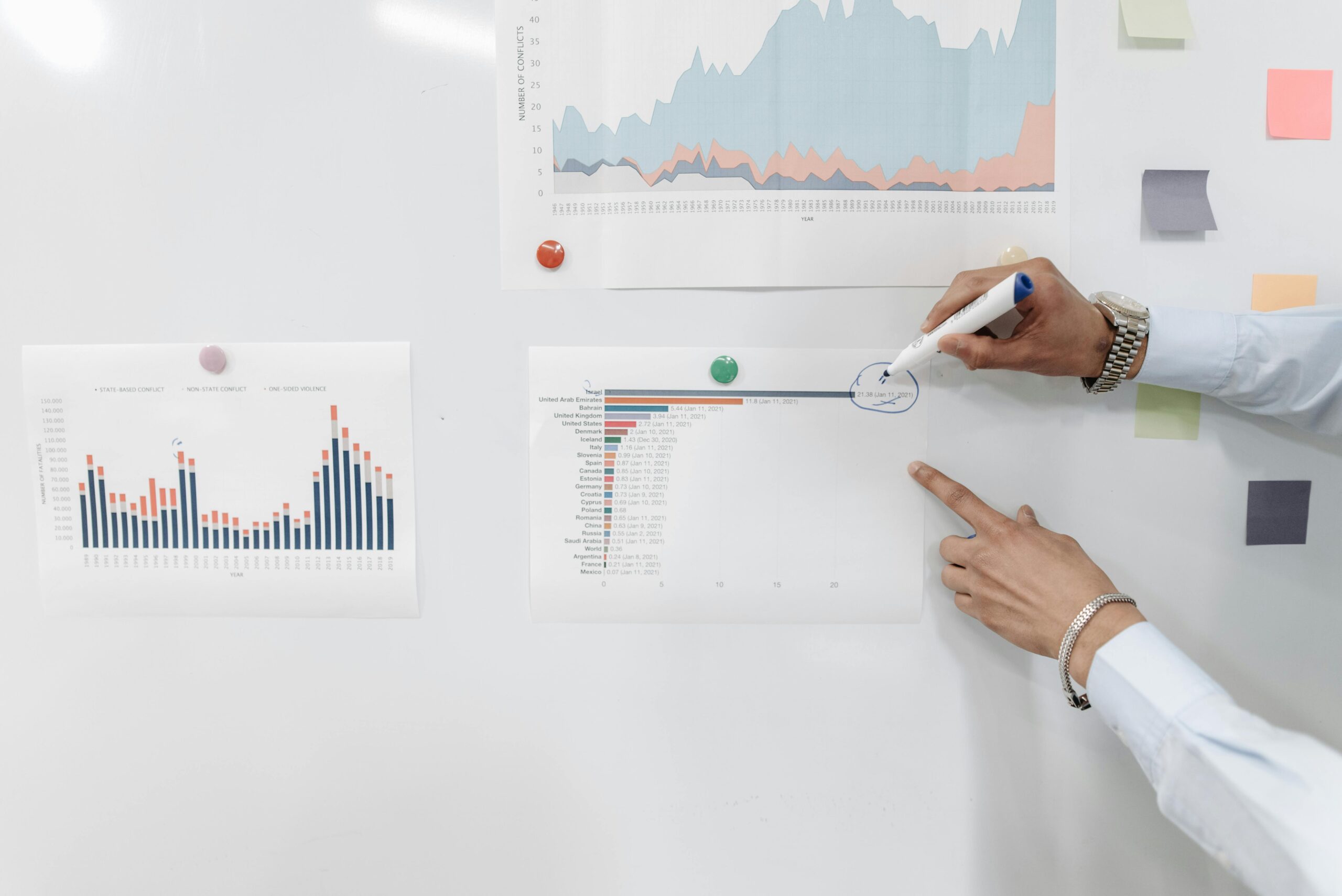
Unlocking Your Organization’s Analytical Potential
Threshold marker objects represent more than technical tools; they embody a philosophy of proactive, intelligent data management that transforms reactive organizations into anticipatory enterprises. By identifying critical decision points with precision and triggering appropriate responses automatically, these systems free human analysts to focus on strategic thinking rather than constant monitoring.
The journey toward threshold-driven analytics excellence begins with understanding fundamental concepts, continues through thoughtful implementation, and matures through continuous refinement. Organizations that invest in building robust threshold management capabilities position themselves to compete effectively in increasingly data-driven markets.
As analytical technologies advance and data volumes expand, the importance of effective threshold management will only increase. Organizations that master threshold marker objects today build competitive advantages that compound over time, creating self-reinforcing cycles of improved decision-making, operational efficiency, and business performance. The question is not whether to embrace threshold-driven analytics, but how quickly your organization can realize the transformative potential these powerful tools offer. ✨