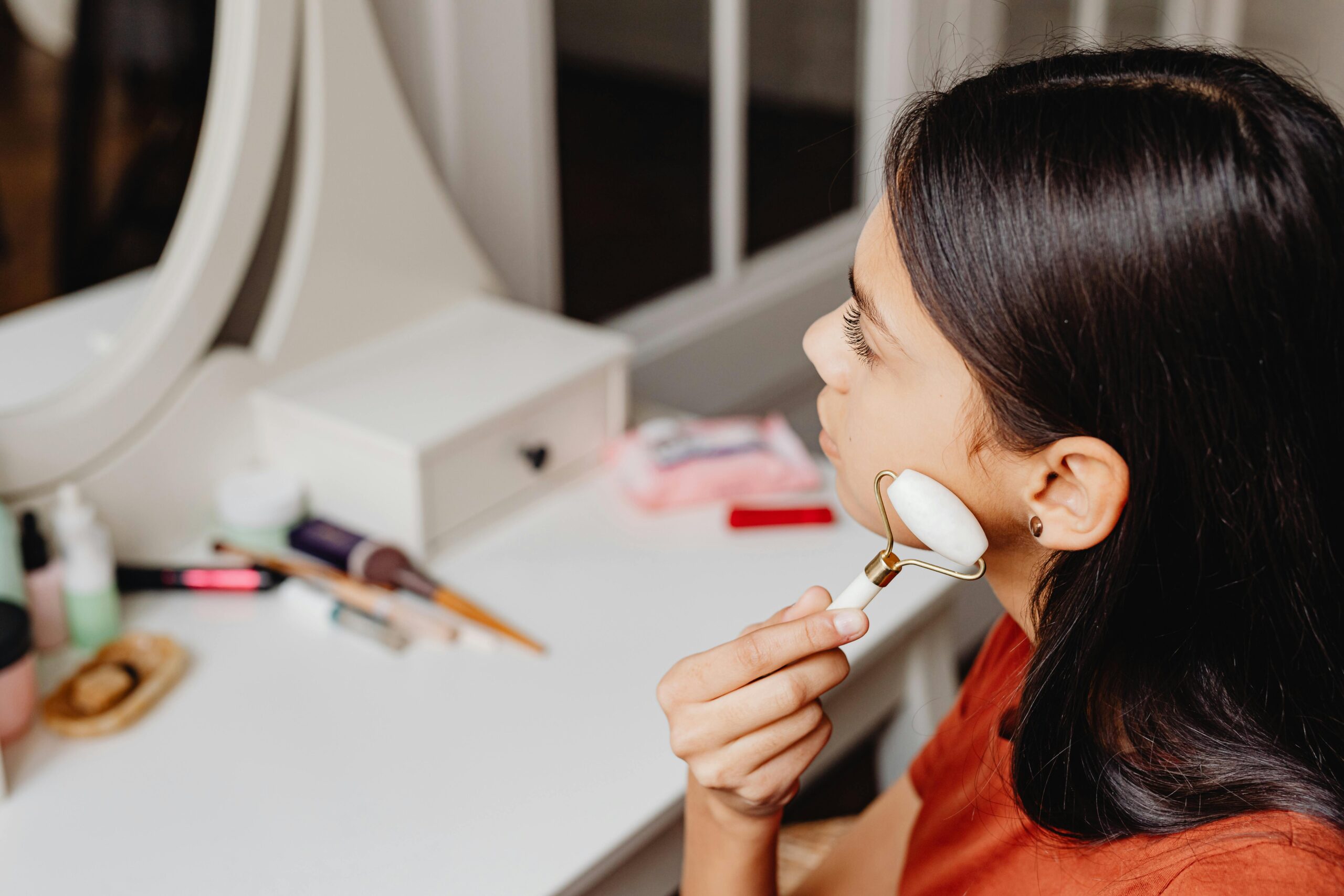
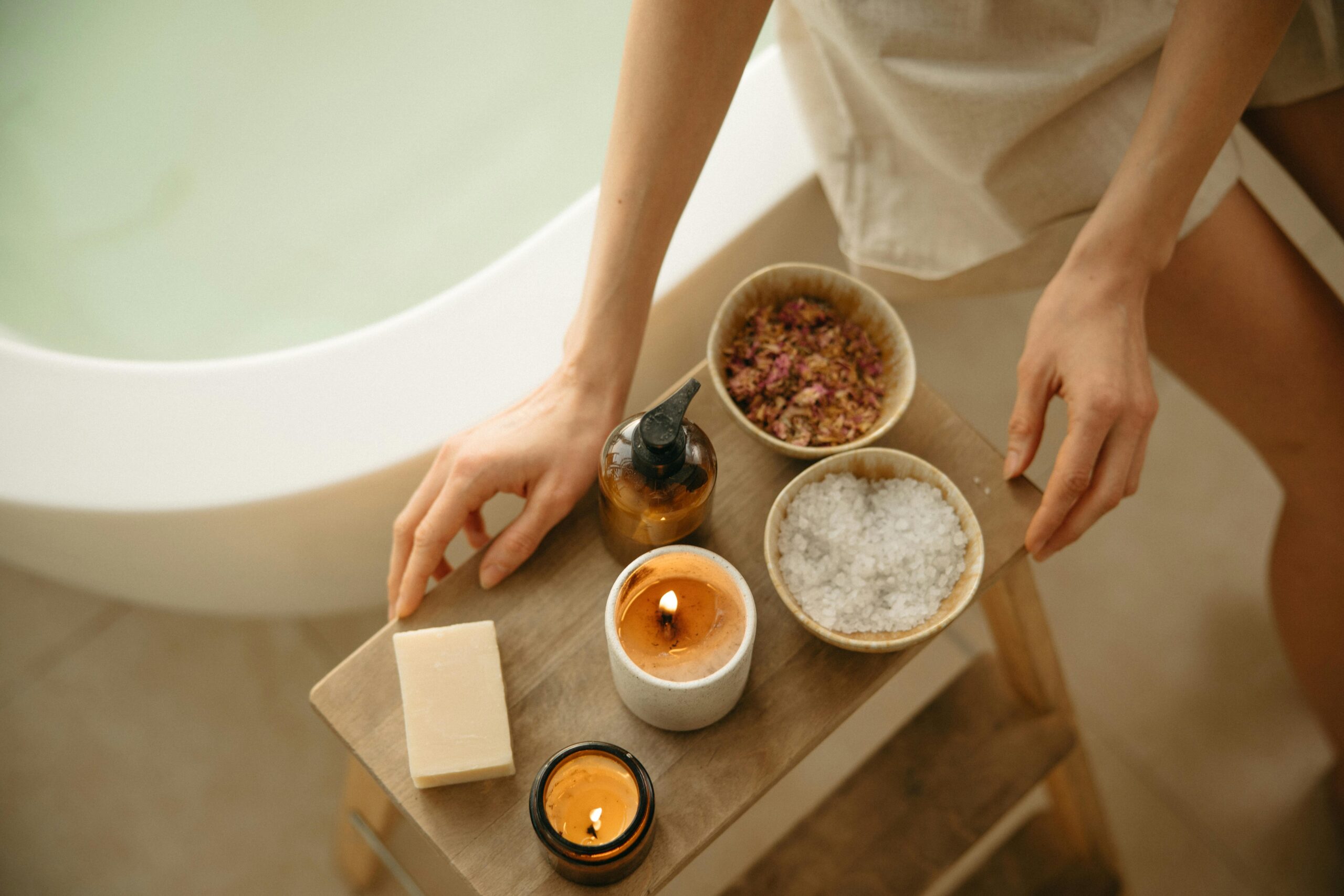
Creating a personalized comfort kit is essential for navigating life’s unpredictable moments with grace, resilience, and a sense of calm preparedness.

In today’s fast-paced world, stress and uncertainty have become constant companions for many people. Whether you’re dealing with overwhelming workdays, unexpected emergencies, or simply the daily challenges of modern living, having a carefully curated comfort kit can make all the difference. This isn’t just about physical items—it’s about creating a holistic approach to self-care, preparedness, and emotional well-being that you can access whenever life becomes overwhelming.
Your comfort kit serves as a tangible reminder that you’ve taken proactive steps to care for yourself. It represents a commitment to your well-being and acts as an anchor during turbulent times. Think of it as your personal oasis—a collection of tools, items, and strategies that bring you back to center when the world feels chaotic.
🧘 Understanding the Foundation of Your Comfort Kit
Before diving into specific items, it’s important to understand what makes a comfort kit truly effective. The most successful kits are deeply personal, reflecting your unique needs, preferences, and lifestyle. What soothes one person might not work for another, which is why customization is key.
Your comfort kit should address multiple dimensions of wellness: physical, emotional, mental, and spiritual. It should include items for immediate comfort during acute stress, as well as tools for long-term resilience building. The goal is to create a comprehensive resource that supports you across various situations and emotional states.
Consider your comfort kit as an evolving collection rather than a fixed set of items. As you grow and change, so will your needs. Regularly reassessing and updating your kit ensures it remains relevant and effective. This adaptive approach keeps your oasis fresh and aligned with your current life circumstances.
🎒 Essential Physical Components for Your Comfort Kit
The physical elements of your comfort kit serve as the foundation—tangible items you can reach for when you need immediate support. These should be portable, durable, and genuinely helpful in moments of stress or discomfort.
Sensory Comfort Items
Our senses play a crucial role in regulating our emotional states. Including items that engage your senses positively can provide instant relief during stressful moments. A soft blanket or scarf with a comforting texture can provide physical warmth and security. Essential oils like lavender, chamomile, or eucalyptus offer aromatherapy benefits that calm the nervous system.
Consider adding stress balls, fidget toys, or textured objects that provide tactile stimulation. These items can help channel nervous energy and keep your hands occupied during anxious moments. Many people find that having something to manipulate physically helps them think more clearly and feel more grounded.
Include items that appeal to your auditory sense as well. This might be a playlist of calming music downloaded to your phone, noise-canceling headphones, or even a small bell or chime that produces a soothing sound. Sound has remarkable power to shift our mental state quickly and effectively.
Practical Emergency Supplies
While comfort is emotional and psychological, practical preparedness also contributes significantly to peace of mind. Knowing you’re ready for common emergencies reduces background anxiety and helps you feel more in control.
Your kit should include basic first aid supplies: bandages, antiseptic wipes, pain relievers, and any personal medications you take regularly. Add a small flashlight or headlamp with extra batteries, as being prepared for power outages or navigating in darkness eliminates one common source of stress.
Include emergency contact information written on paper—not just stored in your phone. List important numbers for family members, doctors, insurance providers, and local emergency services. Having this information readily accessible, even if technology fails, provides an important safety net.
📱 Digital Tools for Modern Comfort and Preparedness
In our connected age, digital resources can be powerful components of your comfort kit. The right apps and digital tools can provide guidance, track your wellness, and offer support exactly when you need it most.
Meditation and Mindfulness Applications
Meditation apps have transformed how people access calm and centeredness. Applications like Calm, Headspace, or Insight Timer offer guided meditations for various situations—whether you need help falling asleep, managing anxiety, or simply finding a moment of peace during a hectic day.
These apps typically include breathing exercises, body scans, and visualization techniques that can quickly shift your physiological state from stress to relaxation. Many offer offline functionality, so you can access your favorite sessions even without internet connection—perfect for travel or emergencies.
Journaling and Mood Tracking Tools
Digital journaling apps provide a private space to process emotions, track patterns, and gain insights into your mental health. Apps like Daylio or Reflectly make it easy to log your mood, activities, and thoughts with just a few taps.
The beauty of digital mood tracking is the ability to identify patterns over time. You might discover that certain activities consistently improve your mood, or that specific situations regularly trigger stress. These insights empower you to make informed decisions about your lifestyle and coping strategies.
✍️ Creating Your Emotional Support Toolkit
Beyond physical items and digital tools, your comfort kit should include strategies and resources for emotional regulation and psychological well-being. These elements help you process difficult feelings and maintain mental health over the long term.
Personal Affirmations and Inspiration
Words have power—especially the ones we tell ourselves. Include a collection of personal affirmations, inspirational quotes, or meaningful passages that resonate with your values and uplift your spirit. Write these on index cards, in a small notebook, or save them as notes on your phone.
Your affirmations should be personalized and believable. Instead of generic statements, craft phrases that address your specific challenges and aspirations. For example, if you struggle with perfectionism, your affirmation might be: “Progress matters more than perfection, and I celebrate my efforts.”
Consider including photos of meaningful moments, loved ones, or places that bring you joy. Visual reminders of positive experiences can instantly shift your emotional state and provide perspective during difficult times. These images serve as anchors to what truly matters in your life.
Emergency Contact List for Emotional Support
Part of preparedness is knowing who to reach out to when you need help. Create a tiered list of support contacts for different situations and needs. This might include trusted friends who are good listeners, family members who provide practical help, and professional resources like therapists or crisis hotlines.
Don’t hesitate to include professional mental health resources in your kit. Save the numbers for crisis hotlines, your therapist’s emergency contact, or mental health helplines specific to your location. Having these readily available removes barriers to seeking help when you need it most urgently.
🌿 Incorporating Nature and Grounding Techniques
Connection to nature has profound calming effects on the human nervous system. Even if you live in an urban environment, you can incorporate elements of nature into your comfort kit to access these benefits anywhere.
Small plants or succulents can become part of your stationary comfort kit at home or work. Caring for something living provides purpose and routine, while the presence of greenery has been scientifically proven to reduce stress and improve mood. Choose low-maintenance varieties if you’re new to plant care.
Include items from nature in your portable kit as well—smooth stones, shells, or pieces of driftwood. These objects can serve as tactile comfort items while also connecting you to memories of peaceful natural settings. Some people find that holding a natural object while practicing breathing exercises enhances the grounding effect.
Grounding Exercises You Can Do Anywhere
Grounding techniques help you reconnect with the present moment when anxiety or stress pulls you into worry about the future or rumination about the past. The 5-4-3-2-1 technique is particularly effective: identify 5 things you can see, 4 things you can touch, 3 things you can hear, 2 things you can smell, and 1 thing you can taste.
Write out your favorite grounding exercises on cards and keep them in your kit. When you’re experiencing acute stress, your ability to remember techniques may be compromised. Having written instructions ensures you can access these tools even when your mind feels scattered.
🏠 Creating Your Home-Based Comfort Space
While portable comfort kits are invaluable, establishing a dedicated comfort space in your home amplifies the benefits. This physical location becomes associated with calm and recovery, training your brain to relax when you enter this space.
Choose a spot in your home that feels naturally peaceful—perhaps a corner of your bedroom, a reading nook, or even a section of your bathroom. This doesn’t need to be a large area; even a comfortable chair with good lighting can become your oasis with the right elements.
Furnish your comfort space with items from your comfort kit along with larger elements that can’t be portable. This might include a comfortable cushion or meditation pillow, a soft blanket, a small table for tea or journaling supplies, and perhaps a speaker for calming music or nature sounds.
Lighting and Atmosphere
Lighting dramatically affects mood and nervous system regulation. Harsh overhead lights can increase stress, while softer, warmer lighting promotes relaxation. Consider adding a salt lamp, string lights, or candles (real or battery-operated) to create a soothing ambiance in your comfort space.
If possible, position your comfort space near a window with natural light. Sunlight exposure helps regulate circadian rhythms and boosts mood through vitamin D production and other biological mechanisms. Even on cloudy days, natural light provides benefits that artificial lighting cannot replicate.
🍵 Nourishment as Comfort and Care
Your comfort kit should include elements related to nourishment—not just emergency snacks, but items that make eating and drinking an act of self-care and comfort. These items help you maintain physical well-being even during stressful periods when regular meals might be disrupted.
Include non-perishable comfort foods that genuinely nourish you. This might be high-quality tea bags, packets of hot chocolate, protein bars you actually enjoy, or individually wrapped dark chocolate. The key is choosing items that provide both physical nourishment and emotional comfort.
Consider adding a special mug or water bottle that you reserve specifically for moments when you’re using your comfort kit. Creating this ritual around hydration and nourishment helps signal to your brain that you’re entering a mode of self-care and recovery.
📝 Documentation and Personalization Strategies
As you build your comfort kit, document what works for you. Keep a small notebook or digital note dedicated to tracking which items, techniques, or strategies are most effective in different situations. This information becomes invaluable for refining your kit over time.
Note patterns in your stress responses and which interventions help most. You might discover that sensory items work best for anxiety, while inspirational reading helps with low motivation. Understanding these patterns allows you to reach for the right tool at the right time.
Periodically review and update your comfort kit—perhaps quarterly or whenever you experience significant life changes. Remove items that no longer serve you and add new elements that address your current needs. This ongoing curation ensures your kit remains a relevant and powerful resource.
💪 Building Long-Term Resilience Through Your Comfort Practice
While your comfort kit provides immediate support during difficult moments, regularly engaging with it also builds long-term resilience. The act of preparing your kit demonstrates self-awareness and proactive self-care—qualities that strengthen your overall mental health foundation.
Make it a practice to engage with your comfort kit even when you’re not in crisis. Use items from your kit during regular self-care sessions, not just emergencies. This regular engagement reinforces positive associations and makes it easier to reach for these tools when stress levels are high.
Share your comfort kit concept with trusted friends or family members. Encourage them to create their own kits, and discuss what works for each of you. This sharing builds community around wellness practices and normalizes proactive mental health care in your social circle.

🌟 Embracing Your Journey Toward Calm and Preparedness
Building your ultimate comfort kit is an ongoing journey of self-discovery and self-care. There’s no perfect formula—only what works uniquely for you. Give yourself permission to experiment, make mistakes, and continuously evolve your approach as you learn more about your needs and preferences.
Remember that having a comfort kit doesn’t mean you’ll never experience stress or discomfort. Rather, it means you’ve equipped yourself with tools and strategies to navigate challenges more effectively. You’re building a foundation of preparedness that reduces anxiety and increases confidence in your ability to handle whatever life brings.
Your comfort kit represents more than a collection of items—it symbolizes your commitment to your own well-being. It’s a tangible expression of self-compassion and recognition that you deserve support, especially during difficult times. By investing time and thought into creating this personalized oasis, you’re making a powerful statement about your worth and your determination to thrive, not just survive.
Start today with just a few items that resonate with you, and let your kit grow organically over time. Trust your intuition about what brings you comfort and peace. Your ultimate comfort kit is waiting to be created, uniquely tailored to support you through all of life’s seasons. 🌈