Memory boxes transform fleeting moments into tangible treasures, offering a beautiful way to preserve life’s most meaningful experiences through carefully curated keepsakes that tell your unique story.

📦 Understanding the Soul of Memory Box Curation
In our increasingly digital world, there’s something profoundly special about holding physical mementos in your hands. A memory box serves as a personal time capsule, a sacred container that houses the fragments of your journey through life. Unlike photographs stored on devices or posts buried in social media feeds, a well-curated memory box creates a tactile connection to your past.
The practice of memory keeping isn’t new—our ancestors preserved letters, locks of hair, and precious photographs in trunks and boxes for generations. What makes modern memory box curation an art form is the intentionality behind it. We’re not simply hoarding every ticket stub or receipt; we’re thoughtfully selecting items that capture the essence of significant moments, relationships, and transformations.
Every object placed in your memory box carries emotional weight and narrative power. A concert ticket might represent the night you fell in love, while a handwritten recipe card could embody your grandmother’s legacy. These aren’t just things—they’re anchors to experiences that shaped who you are.
🎨 Choosing Your Perfect Memory Box Container
The container itself matters more than you might think. Your memory box should be both functional and meaningful, protecting your treasures while reflecting your personal aesthetic. Consider these factors when selecting your vessel:
- Size and capacity: Think about what you plan to store and how much space you’ll need over time
- Material durability: Acid-free materials protect photographs and papers from deterioration
- Accessibility: Choose something you can easily open and revisit without hassle
- Aesthetic appeal: Select a design that brings you joy when you see it
- Storage practicality: Ensure it fits in your designated space while remaining accessible
Wooden boxes offer timeless elegance and excellent protection, while decorative fabric-covered containers provide visual warmth. Metal tins work beautifully for vintage aesthetics, and archival-quality photo boxes excel at preserving delicate items. Some people prefer multiple smaller boxes organized by theme or time period rather than one large container.
✨ What Treasures Belong in Your Memory Box
The beauty of memory box curation lies in its deeply personal nature. What resonates with you might differ entirely from someone else’s choices, and that’s exactly as it should be. However, certain categories of keepsakes tend to hold universal appeal and storytelling power.
Milestone Markers and Life Transitions
Birth announcements, graduation tassels, wedding invitations, and retirement cards document the major chapters of your life. These milestone markers create a timeline of significant transitions and achievements. Include items that commemorate not just your accomplishments, but the celebrations and people who witnessed these moments with you.
Handwritten Correspondence and Notes
In an age of text messages and emails, handwritten notes carry extraordinary value. Birthday cards from loved ones, letters from friends, postcards from travels, and even sticky notes with sweet messages deserve preservation. The handwriting itself becomes precious, especially when those who wrote them are no longer with us.
Travel Mementos and Adventure Tokens
Boarding passes, maps with your route highlighted, foreign currency, pressed flowers from a memorable hike, or a small stone from a meaningful beach—these tangible reminders transport you back to adventures that expanded your world. They’re especially powerful when paired with journal entries or notes about what made those experiences special.
Photographs with Context
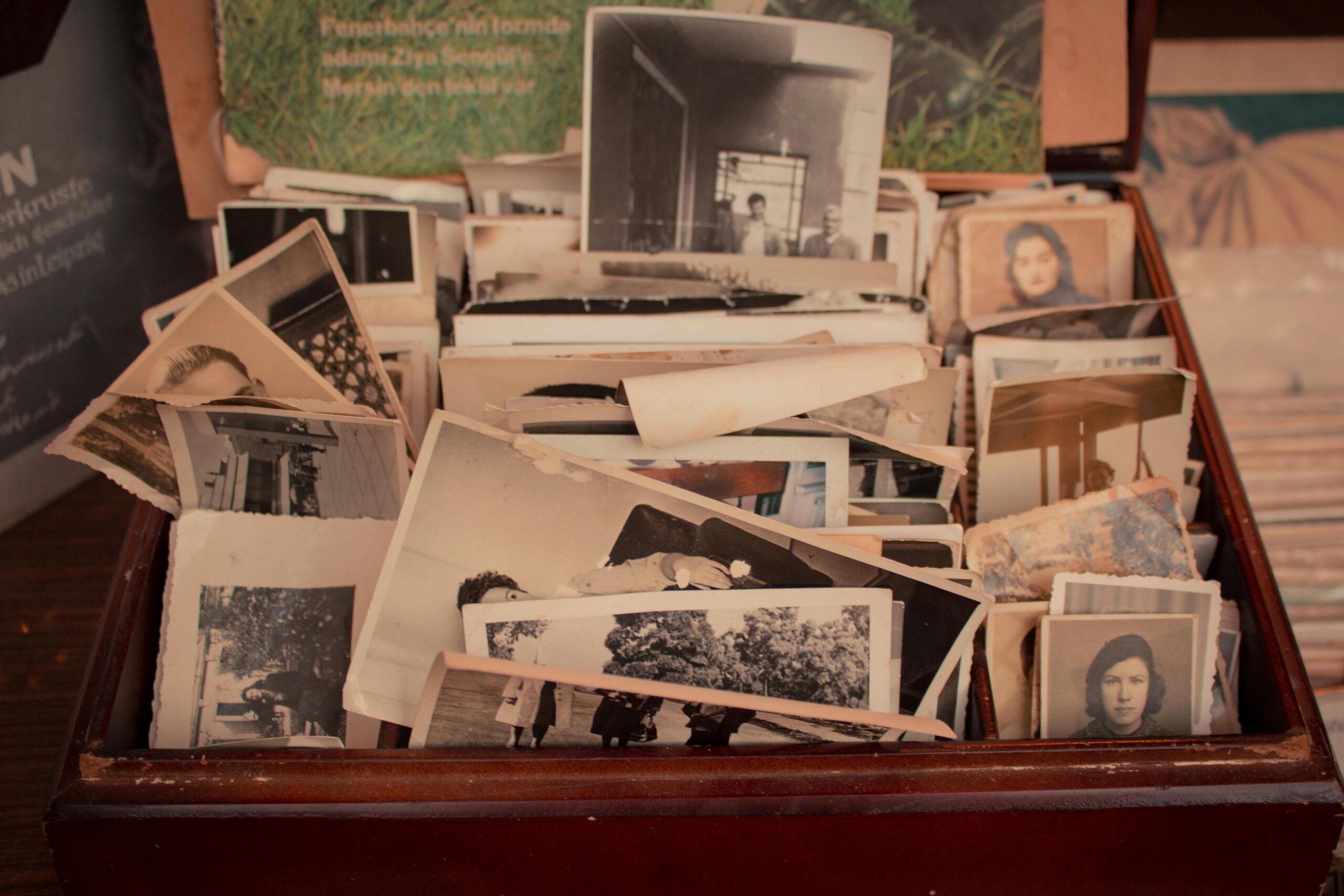
While we often store photos digitally, select prints for your memory box gain significance through curation. Choose images that capture emotion and connection rather than perfect poses. Write dates, names, and brief stories on the backs—context that future you (or future generations) will treasure.
Small Sentimental Objects
Baby teeth, hospital bracelets, favorite childhood toys (small ones!), jewelry pieces with stories, pressed flowers from significant occasions, or fabric swatches from meaningful clothing all carry emotional resonance far beyond their physical value. These objects often trigger the most vivid memories and stories.
🌟 The Curation Process: Making Thoughtful Selections
Not everything deserves space in your memory box, and learning to be selective is crucial. The goal isn’t to preserve everything but to curate meaningfully. This discernment transforms a box of random items into a coherent narrative of your life’s most treasured moments.
Ask yourself these questions when considering an item: Does this object immediately trigger a specific, meaningful memory? Will I remember why this matters in ten or twenty years? Does this represent a person, place, or experience that shaped me? If you hesitate or struggle to recall the significance, it probably doesn’t belong in your carefully curated collection.
Consider creating a “waiting box” for recent mementos. Allow time to pass before making final decisions. Some items that seem important immediately after an event lose significance with perspective, while others grow more precious with time. This waiting period helps you identify what truly matters.
📝 Documentation: Adding Context and Storytelling
Objects without context can become mysterious artifacts even to you after years pass. Documentation transforms your memory box from a collection of things into a narrative treasure. Small tags, cards, or a dedicated journal accompanying your box provide the stories behind each item.
Include dates, locations, and the people involved. Write about the feelings and circumstances surrounding each keepsake. Your future self will thank you for these details, and if you’re creating something to pass down, these stories become invaluable family history.
Consider creating an inventory list—not for bureaucratic purposes, but as a reading experience. This can be handwritten in a beautiful notebook stored alongside your items or typed and printed on quality paper. Describe not just what each item is, but why it matters and what it represents in your personal journey.
🛡️ Preservation Techniques for Longevity
Your memory box is meant to last, which requires some basic preservation awareness. Proper care ensures that these treasures remain intact for decades, allowing you to revisit and share them throughout your lifetime and beyond.
Store your memory box in a climate-controlled environment away from extreme temperatures, humidity, and direct sunlight. Basements and attics often experience temperature fluctuations that can damage paper, photographs, and fabrics. A bedroom closet or storage area within your living space usually provides ideal conditions.
Use acid-free tissue paper to wrap delicate items and separate photographs. This prevents discoloration and deterioration over time. Archival-quality plastic sleeves protect documents and photos from moisture and oils from handling. Never use regular tape, rubber bands, or paperclips directly on precious items, as these can cause permanent damage.
For three-dimensional objects, consider how they’re positioned to prevent crushing or deformation. Padding with acid-free tissue helps maintain shape. If including fabric items like baby clothes or wedding accessories, ensure they’re clean before storage, as stains can set and worsen over time.
👨👩👧👦 Creating Themed Memory Boxes for Different Life Areas
Rather than one all-encompassing container, many people find joy in creating multiple memory boxes organized by theme. This approach allows for more focused curation and easier access to specific memories.
A childhood memory box might include baby teeth, favorite toy pieces, early artwork, report cards, and birthday party invitations. A relationship memory box could house love letters, date night mementos, anniversary cards, and tokens from significant moments together. A travel memory box becomes a portable adventure archive filled with tickets, maps, and souvenirs from journeys that transformed you.
Career memory boxes document professional growth through awards, first business cards, congratulatory notes from mentors, and projects that felt meaningful. For those who’ve lost loved ones, memorial boxes provide a dedicated space for objects that keep their memory alive—photographs, clothing items, handwritten recipes, or belongings that capture their essence.
💫 The Therapeutic Benefits of Memory Box Curation
Beyond simple preservation, the act of curating memory boxes offers genuine therapeutic value. The process engages you in reflection, gratitude, and meaning-making—all practices associated with psychological well-being and life satisfaction.
When you sit with your treasures, handling them and remembering their stories, you’re actively engaging with your personal narrative. This practice reinforces your sense of identity and continuity. It reminds you of challenges you’ve overcome, relationships that sustained you, and moments of pure joy that might otherwise fade into the background of daily life.
For those experiencing difficult transitions—grief, divorce, illness, or major life changes—memory boxes provide tangible connection to positive experiences and personal strength. They serve as evidence of resilience and remind us that we’ve navigated challenges before and emerged with stories worth preserving.
The curation process itself encourages mindfulness. Sorting through potential keepsakes requires presence and attention. You’re not scrolling passively through digital feeds but actively engaging with physical objects and the memories they represent. This tactile, focused activity offers a welcome respite from screen-based living.
🎁 Sharing Your Memory Box Legacy
Memory boxes become even more meaningful when shared. The act of opening your box with loved ones—children, partners, close friends—creates connection through storytelling. Your curated treasures become conversation starters, bridges between generations, and windows into experiences that shaped you.
For parents, memory boxes offer powerful opportunities to share family history with children. Objects become tangible entry points for stories about their grandparents, your own childhood, or the early days of your family. These shared moments of discovery create new memories while honoring old ones.
Consider the legacy aspect of your curation. While your memory box serves your present needs for reflection and connection, it may also become a gift to future generations. The context you provide today—those notes and stories—transform your personal treasures into family heirlooms with narrative power that extends beyond your own lifetime.
🌈 Making Memory Box Curation a Joyful Practice
The most successful memory boxes are those maintained as ongoing practices rather than one-time projects. Establish a rhythm that works for your life—perhaps reviewing and adding to your boxes quarterly or annually. This regular engagement keeps the practice alive and prevents overwhelming backlogs.
Create a ritual around your memory work. Choose a comfortable space, perhaps with tea or your favorite music, and give yourself permission to feel the emotions that arise. Laughter, tears, nostalgia, and joy are all welcome companions in this process.
Involve others when appropriate. Host a memory box crafting afternoon with friends, where everyone works on their own collections while sharing stories. This communal practice adds accountability and social connection to what might otherwise be a solitary activity.
Remember that perfection isn’t the goal. Your memory box doesn’t need to look Pinterest-worthy or follow anyone else’s rules. It should reflect your authentic experience and bring you genuine joy. The slightly crumpled ticket, the faded photograph, the torn program—these imperfections often carry the most authentic emotional resonance.
🔮 Your Memory Box as a Living Collection
As you move through life, your relationship with your memory box will evolve. Items that once seemed crucial might lose significance, while others grow more precious with time. Give yourself permission to reassess and adjust your collection as needed.
Your memory box isn’t a museum piece locked in time—it’s a living collection that grows and changes with you. Adding new treasures alongside old ones creates a layered narrative of your journey. The box you start at twenty will naturally differ from what it becomes at forty or sixty, and that evolution itself tells a story worth preserving.
This practice of intentional remembering and curation enriches your present by honoring your past. It creates space for gratitude, reflection, and connection in a world that often pushes us toward constant forward motion. Your memory box becomes a quiet anchor, a reminder of what matters most, and a celebration of the beautiful, messy, meaningful journey that is your unique life.
Start today with whatever you have—a simple shoebox, a few cherished items, and the intention to preserve what matters. Your future self will treasure the gift of these carefully curated moments, tangible proof that your experiences, relationships, and journey through this world were worth remembering, worth celebrating, and worth preserving for a lifetime of treasured returns to the moments that made you who you are.