Our most treasured memories deserve thoughtful preservation, transforming fleeting moments into lasting keepsakes that we can revisit for generations to come.

In our fast-paced digital age, we capture countless photos, videos, and mementos, yet many of these precious memories remain scattered, unprotected, or forgotten. Whether it’s your child’s first steps, a handwritten letter from a loved one, or souvenirs from that unforgettable vacation, these items hold immeasurable sentimental value that transcends their physical form.
Creating a comprehensive keepsake care routine isn’t just about organization—it’s about honoring the moments that define our lives and ensuring they remain vibrant and accessible for years to come. This guide will walk you through everything you need to know about preserving, organizing, and protecting your most cherished memories with proven strategies and practical techniques.
🎯 Understanding the Value of Memory Preservation
Before diving into specific preservation techniques, it’s essential to recognize why memory keeping matters. Our keepsakes serve as tangible connections to our past, bridging generations and helping us maintain our sense of identity and belonging. Research shows that engaging with personal memories can improve mental health, strengthen family bonds, and provide comfort during challenging times.
Physical keepsakes carry an emotional weight that digital copies often cannot replicate. The texture of a wedding dress, the faded ink on a grandmother’s recipe card, or the worn edges of a favorite childhood book all tell stories beyond the visual. These sensory experiences create deeper neural connections, making memories more vivid and emotionally resonant.
However, without proper care, these irreplaceable items face numerous threats: environmental damage, physical deterioration, accidental loss, and the simple passage of time. Developing a systematic approach to keepsake care ensures that future generations can experience these treasures just as you do today.
📸 Creating Your Memory Preservation Foundation
The first step in any effective keepsake care routine is establishing a solid organizational foundation. This begins with inventory and assessment. Take time to gather all your keepsakes—from photo albums and memorabilia boxes to digital files scattered across devices—and create a comprehensive list of what you have.
Categorizing Your Treasured Items
Once you’ve collected your keepsakes, organize them into categories that make sense for your collection. Common categories include:
- Photographs and negatives from different time periods
- Documents such as certificates, letters, and cards
- Textile items including clothing, quilts, and fabric samples
- Three-dimensional objects like awards, toys, and collectibles
- Digital media including videos, audio recordings, and digital photos
- Artwork and children’s creations
- Travel souvenirs and ticket stubs
This categorization process helps you understand the scope of your collection and identify which items require specialized care. Different materials deteriorate in different ways and require specific preservation techniques, making this step crucial for long-term success.
🛡️ Essential Preservation Techniques for Physical Keepsakes
Proper storage is the cornerstone of physical keepsake preservation. The environment where you store your treasures significantly impacts their longevity, with temperature, humidity, light exposure, and air quality all playing critical roles.
Optimal Storage Conditions
Aim to store your keepsakes in a climate-controlled environment with temperatures between 65-70°F and relative humidity between 30-50%. Avoid attics, basements, and garages where temperature and humidity fluctuate dramatically. These variations cause materials to expand and contract, accelerating deterioration.
Light exposure, particularly ultraviolet radiation, causes irreversible damage to photographs, textiles, and paper documents. Store items away from direct sunlight and consider using UV-filtering glass or acrylic for displayed pieces. For particularly valuable items, archival-quality storage boxes provide an extra layer of protection against environmental factors.
Material-Specific Care Guidelines
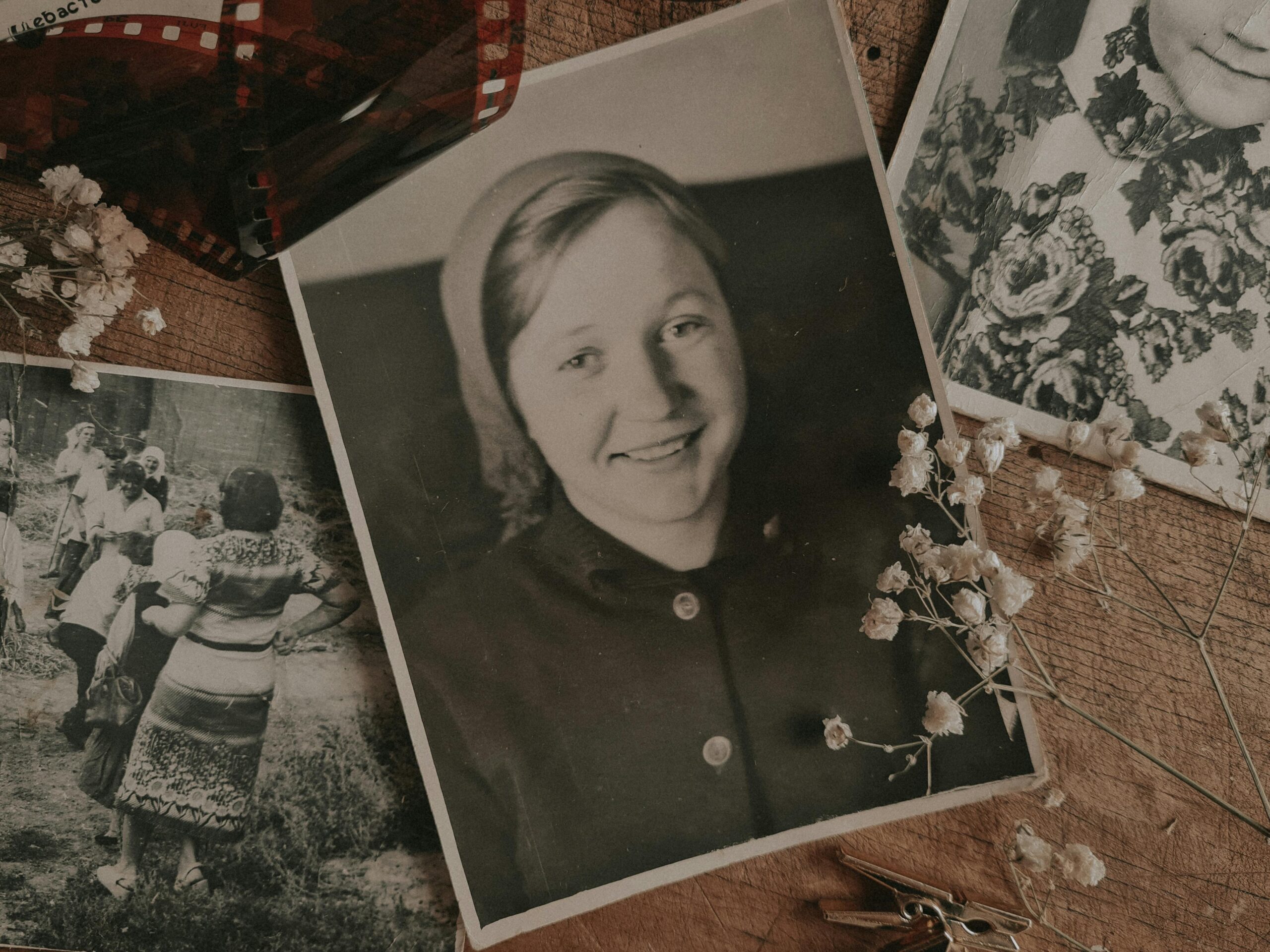
Photographs require special attention to prevent fading, discoloration, and adhesive damage. Store printed photos in acid-free, lignin-free sleeves or albums with archival-quality pages. Never use magnetic albums or those with sticky pages, as the adhesives will eventually damage your photos. For negatives, use individual archival sleeves and store them separately from prints.
Paper documents should be stored flat when possible, in acid-free folders within archival boxes. Remove any metal fasteners like staples or paperclips, as these will rust and stain documents over time. For particularly fragile or valuable documents, consider using polyester film encapsulation for added protection.
Textile keepsakes like wedding dresses, baby clothes, or quilts need room to breathe. Never store textiles in plastic bags, which trap moisture and promote mildew growth. Instead, use acid-free tissue paper and breathable cotton storage bags. Clean all textiles before storage, as stains and soil attract insects and accelerate deterioration.
💾 Digital Memory Preservation Strategies
While physical keepsakes require protection from environmental factors, digital memories face their own unique challenges: file corruption, format obsolescence, device failure, and accidental deletion. A robust digital preservation strategy is just as important as caring for physical items.
The 3-2-1 Backup Rule
Professional archivists recommend following the 3-2-1 backup rule: maintain three copies of your digital files, stored on two different types of media, with one copy stored off-site. This redundancy protects against various failure scenarios, from hardware malfunction to natural disasters.
Your primary copy might reside on your computer or smartphone, with a second copy on an external hard drive and a third in cloud storage. Regularly verify that your backups are complete and functional—a backup that doesn’t work when you need it is worthless.
Organizing Digital Collections
Digital clutter is as problematic as physical disorganization. Develop a consistent file naming convention that includes dates and descriptive information. For example: “2024-03-15_Emma_Birthday_Party.jpg” is infinitely more useful than “IMG_4832.jpg” when searching through thousands of photos years from now.
Create a logical folder structure organized by year, event, or person, depending on what works best for your needs. Add metadata tags to photos and videos, including location information, people’s names, and brief descriptions. This information becomes invaluable as memory fades over time.
✨ Creating Meaningful Memory Projects
Preservation isn’t just about storage—it’s also about creating opportunities to engage with and enjoy your memories. Memory projects transform keepsakes into experiences that can be shared and appreciated.
Photo Books and Albums
Physical photo books provide a curated collection of memories in a format that encourages casual browsing and storytelling. Unlike shoebox storage or digital files buried on devices, photo books invite interaction. Design themed albums around specific events, years, or family members, and include captions that provide context future generations will appreciate.
When creating photo books, use archival-quality materials and printing services that guarantee longevity. Digital printing technology has advanced significantly, but not all services use fade-resistant inks and acid-free papers. Research companies that specialize in archival-quality products for maximum longevity.
Memory Boxes and Shadow Boxes
Three-dimensional keepsakes often work best in shadow boxes or carefully curated memory boxes. Shadow boxes allow you to display items while protecting them from handling and dust. Group related items together to tell a story—a child’s first shoes alongside their hospital bracelet and birth announcement creates a more powerful narrative than any single item could alone.
For items that aren’t suitable for display, create memory boxes organized by theme or person. Include a typed or handwritten inventory describing each item and its significance. This documentation ensures that the stories behind the objects aren’t lost, even if you’re not there to explain them personally.
🗓️ Establishing Your Keepsake Care Routine
Consistency is key to successful memory preservation. Sporadic efforts often lead to accumulation of unorganized materials and missed preservation opportunities. Instead, establish regular routines that make keepsake care a natural part of your life.
Daily and Weekly Habits
Incorporate simple memory preservation tasks into your regular schedule. Spend a few minutes each day organizing new photos on your phone, deleting duplicates, and backing up important images. This prevents the overwhelming accumulation of thousands of unsorted photos.
Weekly, transfer photos from your devices to your primary digital storage location and update your backup systems. Review any physical keepsakes you’ve acquired and place them in appropriate temporary storage until you can properly process them.
Monthly and Annual Maintenance
Set aside time each month for more substantial preservation tasks. Process accumulated keepsakes, update photo albums or digital collections, and check stored items for any signs of damage or deterioration. This regular attention allows you to catch and address problems before they become serious.
Annually, conduct a comprehensive review of your entire collection. Verify that backup systems are functioning properly, update any deteriorating storage materials, and reassess your organizational system to ensure it still serves your needs. This is also an excellent time to create annual photo books or year-in-review compilations while events are still relatively fresh in your memory.
👨👩👧👦 Involving Family in Memory Preservation
Memory keeping becomes richer when it’s a shared activity. Involving family members, especially children, creates opportunities for storytelling, strengthens connections, and ensures that preservation efforts continue across generations.
Make preservation activities enjoyable rather than burdensome. Host family sorting sessions where everyone contributes to organizing photos while sharing stories about the people and events depicted. These gatherings often reveal forgotten memories and provide different perspectives on shared experiences.
Teach younger family members basic preservation principles, helping them understand why these practices matter. Children who grow up seeing memories treated with care develop their own appreciation for preservation and are more likely to continue family traditions.
Interviewing Older Family Members
Don’t underestimate the value of recorded oral histories. Set aside time to interview older relatives about their memories, the stories behind family keepsakes, and their life experiences. These recordings become precious keepsakes themselves, capturing not just information but voices, speech patterns, and emotional nuances that written accounts cannot convey.
Prepare questions in advance but remain flexible enough to follow interesting tangents. Ask about specific photos or objects, childhood memories, historical events they witnessed, and family traditions. Record both audio and video if possible, ensuring you capture the full richness of these conversations.
🔄 Digitizing Physical Keepsakes
Creating digital copies of physical keepsakes provides additional security while making memories more accessible. Digitization doesn’t mean discarding originals, but rather creating backup versions that can be easily shared, duplicated, and enjoyed without handling fragile originals.
For photographs, invest in a quality scanner or use a professional scanning service. Scan at high resolution (at least 600 dpi for photos, 1200 dpi for documents) to capture maximum detail. Save files in non-compressed formats like TIFF or PNG for archival purposes, though you may also want smaller JPEG versions for easy sharing.
Documents can be scanned or photographed, depending on their size and condition. Extremely fragile documents may be better photographed to avoid the pressure and heat of a scanner bed. Ensure adequate lighting and use a tripod to avoid blur when photographing items.
Three-dimensional objects require careful photography from multiple angles. Use consistent lighting and neutral backgrounds to ensure the object is clearly visible. Include a size reference in at least one photo to provide scale information.
💡 Protecting Memories from Disasters
Despite our best efforts, unexpected disasters can threaten our keepsakes. Fire, flood, theft, and natural disasters don’t discriminate, making disaster preparedness an essential component of any preservation plan.
For your most irreplaceable physical items, consider storing copies or digitized versions in a separate location, such as a safe deposit box or with a trusted family member in another area. This geographic separation ensures that a localized disaster won’t destroy all copies of your most precious memories.
Create a grab-and-go emergency kit that includes digitized copies of essential documents, family photos, and contact information for family members. In an evacuation situation, you may only have minutes to gather belongings—having a pre-packed emergency memory kit means you won’t lose everything if you can’t access your main storage areas.
🌟 Making Your Memories Matter Today
The most perfectly preserved memories mean little if they remain locked away, never enjoyed or shared. Building a keepsake care routine isn’t just about future preservation—it’s about creating opportunities to engage with and celebrate your memories right now.
Schedule regular times to revisit your collections. Pull out photo albums during family gatherings, share digital slideshows at celebrations, or simply spend a quiet evening browsing through memory boxes. These interactions reinforce why preservation matters and create new memories around the act of remembering.
Share appropriate memories on social media or through family communication channels, but be mindful of privacy concerns and copyright issues. Not every memory needs to be public, and some moments are better appreciated within smaller circles of family and close friends.
Consider the legacy you’re creating. Your keepsake care routine isn’t just for you—it’s a gift to future generations who will treasure these windows into their family history. The time and effort you invest today in preserving memories will be appreciated by people you may never meet, but who will feel connected to you through these preserved moments.
By establishing a thoughtful keepsake care routine, you’re doing more than organizing possessions—you’re curating your family’s story, preserving irreplaceable moments, and ensuring that the people, places, and experiences that matter most remain vivid and accessible. Start today with one small step, whether that’s sorting a single box of photos, backing up your phone, or interviewing a beloved family member. Each action you take protects precious memories and honors the moments that make life meaningful. Your future self, and generations to come, will thank you for the care you take with these treasured pieces of your shared history. 💝