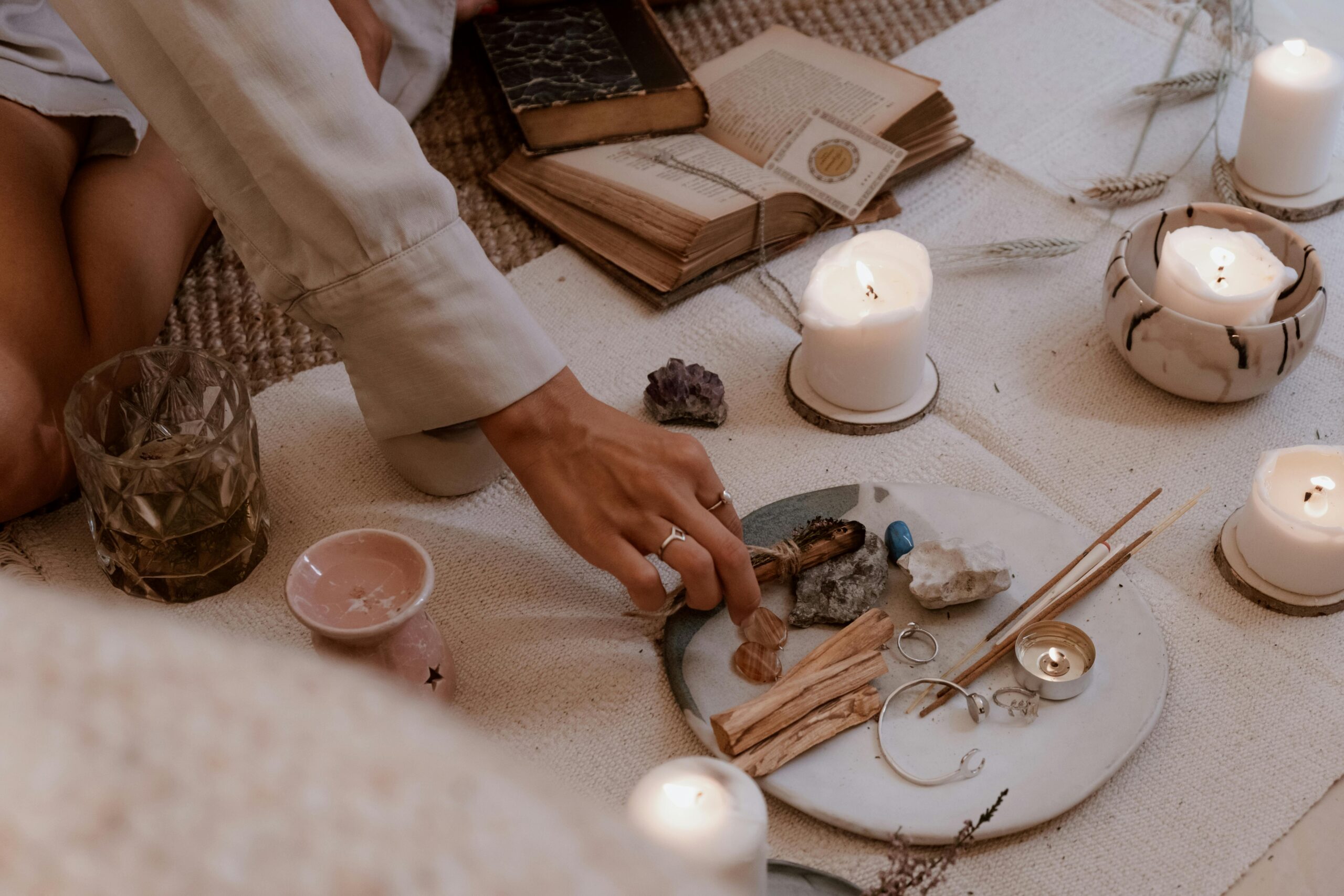
Creating a seasonal altar connects you deeply with nature’s ever-changing cycles, offering a tangible way to honor the Earth’s rhythms while bringing intention and beauty into your daily life.

🌿 Why Seasonal Altars Matter in Modern Life
In our increasingly digital world, we’ve become disconnected from the natural cycles that once governed human existence. Seasonal altars serve as physical anchors that remind us of our place within the greater web of life. These sacred spaces don’t require religious affiliation or elaborate rituals—they simply invite you to pause, reflect, and celebrate the beauty of each season’s unique energy.
A seasonal altar acts as a meditation focal point, a gratitude practice, and an artistic expression all rolled into one. Whether you’re drawn to pagan traditions, mindfulness practices, or simply appreciate nature’s aesthetics, creating these spaces can transform your relationship with time and the environment around you.
Essential Elements for Your Year-Round Altar Practice
Before diving into seasonal specifics, let’s establish the foundational components that make any altar meaningful and functional throughout the year.
Choosing the Perfect Location 📍
Your altar doesn’t need an entire room. A windowsill, corner shelf, mantlepiece, or small table works beautifully. The key is consistency—choose a spot you pass regularly so your altar becomes part of your daily awareness. Natural light enhances the space, making it ideal for displaying seasonal finds and watching how sunlight interacts with your arrangement throughout the day.
Consider traffic flow in your home. You want the altar visible enough to engage with regularly, but protected from accidental bumps or curious pets. If you have children, involve them in the process or place delicate items higher up.
Building Your Base Collection
Start with versatile elements that work across all seasons:
- A beautiful cloth or natural material as your altar base
- Candles in neutral colors (white, cream, natural beeswax)
- A small bowl or dish for seasonal offerings
- Natural wood elements like driftwood or branches
- Stones or crystals that resonate with you
- A journal for recording observations and reflections
These foundational pieces remain consistent while seasonal items rotate around them, creating continuity that grounds your practice.
🌸 Spring Altar: Awakening and New Beginnings
As the earth awakens from winter’s slumber, your altar should reflect themes of renewal, growth, and potential. Spring energy is about emergence—those first brave shoots pushing through soil, birds returning, and longer daylight hours filling us with hope.
Spring Color Palette and Symbols
Embrace pastels, fresh greens, and bright yellows. Incorporate pussy willows, daffodils, tulips, or flowering branches from your garden. Even grocery store flowers work beautifully when arranged with intention. Change water regularly to keep the energy fresh and vibrant.
Add symbolic elements like:
- Bird feathers found during walks
- Painted eggs or natural eggshells (symbolizing potential)
- Seeds in small bowls or packets
- Images of butterflies or emerging growth
- Clear quartz or citrine crystals for clarity and optimism
Spring Rituals to Enhance Your Practice
Use your spring altar for intention-setting ceremonies. Write goals on biodegradable paper and place them beneath a stone, or plant seeds while speaking your dreams aloud. Light candles during morning meditation to symbolically invite light into darker corners of your life.
Refresh your altar weekly during spring—this season changes rapidly, and your sacred space should mirror that dynamic energy. Notice when bulbs fade and replace them with the next wave of bloomers.
☀️ Summer Altar: Abundance and Vitality
Summer’s altar celebrates peak energy, abundance, and the fullness of life. This is nature at its most generous, and your altar should overflow with that same vibrancy and joy.
Capturing Summer’s Peak Energy
Bold colors dominate summer altars—think vibrant oranges, deep reds, golden yellows, and rich purples. Fresh flowers from farmers markets or your garden bring immediate life to the space. Sunflowers make particularly powerful altar pieces, quite literally following the sun’s journey across your room.
Include elements that represent summer’s gifts:
- Fresh herbs like basil, lavender, or rosemary
- Seashells or beach stones from summer adventures
- Sun-dried flowers you can hang above or around the altar
- Seasonal fruits as offerings (berries, stone fruits, melons)
- Amber, carnelian, or sunstone crystals
- Representations of fire—the element most associated with summer
Working with Summer’s Extended Light
Take advantage of longer days by moving some altar activities outdoors. Create temporary nature altars during picnics or camping trips, teaching yourself to make sacred space anywhere. Collect items during summer adventures to bring home and incorporate into your indoor altar.
Summer invites celebration, so use your altar as a gratitude practice. Each evening, add something to your altar that represents the day’s joy—a flower, a written note, a photograph. By season’s end, you’ll have a collection of summer memories.
🍂 Autumn Altar: Harvest and Gratitude
As days shorten and temperatures cool, autumn altars honor the harvest season while preparing for introspection. This transitional season carries both abundance and release—the perfect duality to explore spiritually.
Autumn’s Rich Aesthetic
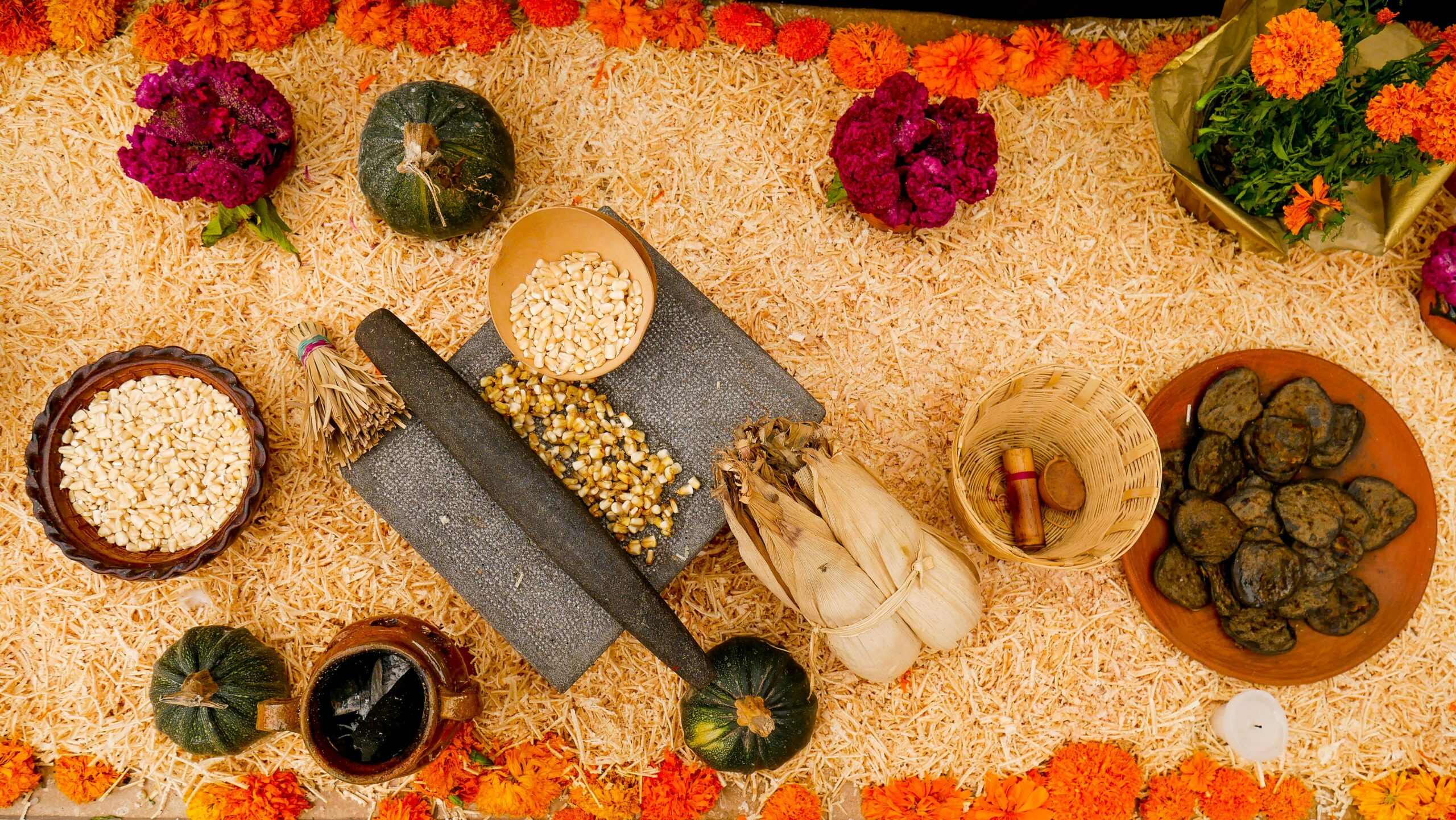
Embrace earth tones—burnt orange, deep burgundy, golden yellow, russet brown, and olive green. Autumn provides perhaps the most abundant natural materials for altar building. Collect leaves at their peak color, acorns, pine cones, seed pods, dried corn, small pumpkins, gourds, and branches with changing leaves.
Create layers and texture on your autumn altar:
- A base layer of colorful leaves (press some to preserve them longer)
- Wheat stalks or dried grasses in a vase
- Apples, pears, or pomegranates as symbols of abundance
- Cinnamon sticks, star anise, or cloves for aromatic appeal
- Smoky quartz, tiger’s eye, or amber stones
- Representations of ancestors or family heritage as the veil thins
Gratitude Practices for Harvest Season
Use your autumn altar for daily gratitude rituals. Write blessings on paper leaves and add them to your altar throughout the season. By Thanksgiving or Samhain, you’ll have a visual representation of the year’s abundance.
Autumn is also ideal for release work. Write what no longer serves you on bay leaves or paper, then safely burn them in a cauldron or fireproof dish on your altar, releasing old patterns as nature releases leaves.
❄️ Winter Altar: Rest and Inner Light
Winter altars honor dormancy, introspection, and the quiet magic of darkness. While external nature rests, this season invites us to tend our inner landscape and find light within stillness.
Creating Warmth in the Darkest Season
Winter color palettes range from stark whites and silvers to deep evergreens and midnight blues. Some practitioners prefer minimal winter altars that reflect the season’s simplicity, while others create cozy, candlelit sanctuaries against the cold.
Winter altar elements might include:
- Evergreen branches (pine, cedar, holly, or ivy)
- White candles or beeswax tapers
- Clear quartz, moonstone, or obsidian crystals
- Pinecones dusted with artificial snow or left natural
- Dried oranges, cinnamon bundles, or winter spices
- Representations of animals in hibernation or winter birds
- Symbols of light returning (particularly around winter solstice)
Winter Solstice and Light Celebrations
The winter solstice—the longest night of the year—marks a powerful moment for altar work. Create a ceremony around lighting candles at dusk, symbolically calling back the sun. Keep a solstice candle burning safely through the longest night, or light one each evening as days gradually lengthen.
Winter altars work beautifully for dream work and divination practices. Place a dream journal beside your altar, or incorporate oracle cards, runes, or other divination tools into your seasonal display.
Transition Periods: Honoring the Liminal Spaces
The spaces between seasons—those few weeks when you’re not quite sure if it’s still autumn or already winter—deserve attention too. These liminal periods reflect life’s constant state of change and becoming.
Create transition altars that blend elements from both seasons. Late winter might feature both evergreen branches and the first spring bulbs. Late spring could combine the last cherry blossoms with early summer wildflowers. These in-between spaces teach us that nature doesn’t recognize hard boundaries, and neither should our practice.
🌙 Moon Phases and Seasonal Altar Work
Enhance your seasonal practice by incorporating lunar cycles. The moon provides a shorter rhythm that complements longer seasonal changes, giving you regular opportunities to refresh and refocus your altar’s energy.
During new moons, clear your altar and set intentions for the coming month. Full moons invite charging crystals, celebrating achievements, or performing release ceremonies. Adjust seasonal elements at these lunar milestones to keep your practice dynamic and engaging.
Practical Maintenance Tips for Year-Round Altars
Keeping your altar fresh and meaningful requires regular attention. Set a weekly “altar date” to clean the space, remove wilted flowers, dust surfaces, and refresh offerings. This regular tending becomes a meditation in itself.
Preservation Techniques for Natural Items
Extend the life of seasonal findings through simple preservation:
- Press leaves and flowers between book pages
- Dry herbs and flowers by hanging upside down
- Preserve pinecones by baking at low temperature
- Store collected items in labeled boxes for next year
- Photograph particularly beautiful arrangements for inspiration
Sustainable Sourcing for Altar Materials
The most powerful altar items come from ethical sources. Forage responsibly, taking only what’s abundant and leaving plenty for wildlife. Ask permission before harvesting from private property. Purchase crystals from reputable sources concerned with mining practices. Choose local, seasonal flowers over imported ones when possible.
Consider growing your own altar materials—a small herb garden or potted flowers provide fresh elements while deepening your connection to growth cycles.
Teaching Children About Seasonal Rhythms Through Altars
Seasonal altars offer wonderful teaching opportunities for children. Nature tables in Waldorf education follow similar principles, helping kids observe and celebrate changes throughout the year.
Involve children by letting them choose items during nature walks, arrange elements on their own section of the altar, or create seasonal art to display. This practice builds observation skills, appreciation for nature, and mindfulness habits that serve them lifelong.
Adapting Altar Practice Across Different Living Situations
Your altar practice should fit your life, not the other way around. Apartment dwellers might create windowsill altars or use small trays that can be moved as needed. Minimalists might prefer a single beautiful branch that changes seasonally. Busy families might share altar duties, with different members responsible for various seasons.
Travel frequently? Create portable altar kits in small boxes or pouches. Include a cloth, small candle, and a few meaningful items that can transform any hotel room or temporary space into sacred ground.
🌍 Deepening Your Connection With Earth’s Rhythms
As your seasonal altar practice matures, you’ll notice subtle shifts in your awareness. You’ll anticipate the first robins, recognize when leaves begin their color change, and feel the energetic shift as seasons transition. This isn’t magical thinking—it’s remembering how to be present with the world around you.
Your altar becomes a mirror reflecting not just seasonal changes, but your own evolution through the year. Looking back at photos of previous seasons’ altars reveals what captured your attention, what brought joy, and how your aesthetic and spiritual interests developed.
Bringing Sacred Space Into Daily Life
The ultimate goal of seasonal altar work isn’t creating Instagram-worthy displays—though they might be beautiful. It’s about cultivating consistent awareness of nature’s wisdom. Each season teaches different lessons: spring’s courage to begin, summer’s exuberant growth, autumn’s grace in letting go, and winter’s trust in dormancy.
When you tend a seasonal altar throughout the year, you’re participating in something humans have done for millennia—marking time through nature’s changes, creating beauty as a spiritual practice, and honoring the sacred in the everyday. Your altar becomes a conversation between you and the natural world, a relationship that enriches both parties.
Start simply. Choose one corner, one season, one practice. Add complexity as you feel called. There’s no wrong way to honor the earth’s rhythms—only your authentic way. Let your seasonal altar reflect your unique connection to nature, and watch how this simple practice transforms not just your space, but your entire relationship with the living world around you. 🌱