Guided prompt cards are transforming how people unlock creativity, organize thoughts, and maintain focus in both personal and professional settings across the globe.

In today’s fast-paced world, distractions are everywhere. Whether you’re a writer facing blank page syndrome, a business professional preparing for an important presentation, or a student trying to organize complex ideas, finding the right spark of inspiration can feel impossible. This is where guided prompt cards emerge as powerful tools that combine structure with creative freedom, offering a pathway to clarity and innovation that traditional methods often miss.
These carefully designed cards provide targeted questions, thought-provoking statements, and strategic frameworks that help users break through mental barriers. Unlike generic brainstorming sessions that can feel overwhelming and directionless, prompt cards offer a structured yet flexible approach to generating ideas, solving problems, and maintaining cognitive momentum when you need it most.
🎯 What Makes Guided Prompt Cards Essential for Modern Thinkers
Guided prompt cards represent a bridge between complete creative freedom and rigid structure. They work by presenting specific questions or scenarios that activate different areas of your thinking process, helping you approach challenges from unexpected angles. The beauty lies in their simplicity—a single well-crafted prompt can unlock hours of productive thought and meaningful work.
Research in cognitive psychology suggests that our brains respond positively to constraints. When faced with infinite possibilities, we often freeze. Prompt cards provide just enough direction to get started while leaving plenty of room for personalization and creative interpretation. This sweet spot between guidance and freedom is what makes them remarkably effective across various applications.
Professional writers have long used similar techniques, keeping notebooks filled with story starters and character questions. Artists sketch from prompts to break creative blocks. Now, this methodology has evolved into accessible card formats that anyone can use, regardless of their creative background or professional field.
Transforming Daily Challenges into Opportunities for Growth 🌱
The practical applications of guided prompt cards extend far beyond traditional creative pursuits. Business strategists use them during planning sessions to challenge assumptions and explore alternative scenarios. Educators incorporate them into lesson plans to stimulate critical thinking among students. Therapists and coaches deploy prompt cards to help clients gain new perspectives on personal challenges.
One significant advantage is their portability and low barrier to entry. Unlike digital tools that require devices, batteries, or internet connections, physical prompt cards can travel anywhere. They work equally well in coffee shops, conference rooms, outdoor settings, or during commutes. This accessibility ensures that inspiration and focused thinking aren’t confined to specific locations or circumstances.
The tactile experience of shuffling, selecting, and physically engaging with cards also creates a different cognitive relationship than scrolling through digital content. This physical interaction can help cement ideas more effectively in memory and create stronger associations between prompts and the insights they generate.
Building Consistency Through Structured Spontaneity
One of the most powerful aspects of prompt cards is how they build sustainable creative habits. By incorporating them into daily or weekly routines, users develop a practice of intentional reflection and idea generation. This consistency transforms creativity from something that happens randomly into a skill that can be cultivated and strengthened over time.
Morning journaling sessions become more focused when guided by thoughtful prompts. Team meetings gain direction when participants draw cards to frame discussions. Project planning sessions move beyond surface-level thinking when strategic prompts challenge teams to consider deeper implications and alternative approaches.
Designing the Perfect Prompt Card Experience for Your Needs 🎨
Not all prompt cards are created equal, and understanding what makes an effective set is crucial for maximizing their value. The best prompt cards share several key characteristics that enhance their usability and impact across different contexts and user types.
Quality prompt cards feature questions and statements that are open-ended enough to allow personal interpretation yet specific enough to provide clear direction. They avoid yes-or-no questions in favor of “how,” “why,” and “what if” formats that naturally encourage deeper exploration. The language should be accessible without being simplistic, challenging without being intimidating.
Variety is another essential element. Effective card sets include different types of prompts—some analytical, some imaginative, some introspective, and some action-oriented. This diversity ensures users can find relevant prompts regardless of their current state of mind or specific needs in a given moment.
Categories That Cover the Creative Spectrum
Well-designed prompt card systems often organize cards into categories or themes. This organization allows users to select cards intentionally based on what they’re working on or randomly for unexpected inspiration. Common categories include:
- Exploratory prompts that help users discover new perspectives and possibilities
- Reflective prompts designed for personal insight and self-awareness
- Problem-solving prompts that guide analytical thinking through challenges
- Imaginative prompts that push boundaries and encourage unconventional ideas
- Action-oriented prompts that move thinking toward concrete next steps
- Collaborative prompts specifically crafted for group discussions and team activities
The visual design of prompt cards also matters significantly. Clear typography ensures easy reading, while thoughtful use of color, icons, or illustrations can enhance engagement without creating distraction. The physical quality of cards—their weight, texture, and durability—contributes to the overall user experience and perceived value.
Integrating Prompt Cards into Professional Workflows 💼
The business world has increasingly recognized the value of structured creativity tools. Companies ranging from startups to Fortune 500 corporations now incorporate prompt cards into their innovation processes, strategic planning sessions, and team development activities.
During product development cycles, prompt cards help teams question assumptions about user needs, explore edge cases, and identify potential improvements that might otherwise be overlooked. Marketing teams use them to generate campaign concepts, develop brand messaging, and understand customer perspectives from fresh angles.
Project managers find prompt cards valuable for risk assessment sessions, helping teams anticipate challenges and develop contingency plans. Leadership development programs incorporate them to build reflective practice among executives and encourage more thoughtful decision-making processes.
Remote Work and Digital Collaboration
As remote and hybrid work models become standard, prompt cards have adapted to these environments. Digital versions allow distributed teams to engage with the same prompts simultaneously during virtual meetings. Some organizations create custom prompt card sets that reflect their specific values, challenges, and strategic priorities.
The asynchronous nature of remote work also makes prompt cards ideal for individual preparation before group sessions. Team members can draw prompts, reflect on their responses, and come to meetings with more developed ideas, making collaborative time more productive and engaging.
Educational Applications That Enhance Learning Outcomes 📚
Educators across grade levels and subject areas have discovered prompt cards as versatile teaching tools. They support differentiated instruction by allowing students to engage with content at various depth levels based on which prompts they select or are assigned.
In writing classes, prompt cards help students overcome writer’s block and develop more nuanced narratives. Science teachers use them to encourage hypothesis generation and experimental design thinking. History educators deploy prompt cards that ask students to consider multiple perspectives on historical events or imagine alternative outcomes.
The cards also support social-emotional learning by providing structured opportunities for students to explore feelings, practice empathy, and develop self-awareness. Classroom discussions become more inclusive when prompts give quieter students specific points to consider and contribute.
Assessment and Critical Thinking Development
Beyond content delivery, prompt cards serve as assessment tools that reveal student thinking processes. Teachers can observe how students approach prompts, what connections they make, and where misconceptions might exist. This formative assessment information guides instructional adjustments more effectively than traditional testing methods alone.
Higher-order thinking skills develop naturally when students regularly engage with well-crafted prompts. Analysis, synthesis, and evaluation—the upper levels of Bloom’s Taxonomy—become accessible through questions that explicitly require these cognitive processes.
Personal Development and Mindfulness Practices ✨
On the personal front, prompt cards have become valuable companions for self-discovery journeys, mindfulness practices, and mental wellness routines. They provide structure for journaling practices that might otherwise feel aimless or repetitive.
Morning routines gain intention when started with a prompt that focuses attention on gratitude, goals, or personal values. Evening reflection becomes more meaningful when guided by questions about growth, challenges overcome, or lessons learned throughout the day.
Therapists and life coaches appreciate how prompt cards democratize reflective practices. Clients can continue therapeutic work between sessions by drawing prompts that encourage ongoing self-exploration. The cards create continuity in personal development efforts that might otherwise lose momentum.
Building Emotional Intelligence Through Guided Reflection
Emotional awareness and regulation improve when individuals regularly examine their internal experiences through structured prompts. Questions about emotional responses, relationship patterns, and personal triggers help build the self-knowledge necessary for emotional intelligence.
Couples use relationship-focused prompt cards for deeper conversations beyond daily logistics. Families incorporate them into dinner table discussions, creating opportunities for connection and mutual understanding across generations.
Creating Your Own Custom Prompt Card Collection 🛠️
While numerous commercial prompt card sets exist, creating custom cards tailored to specific needs amplifies their effectiveness. This customization ensures prompts address your unique challenges, goals, and contexts in ways generic sets cannot.
Begin by identifying the primary purpose your cards will serve. Are they for creative writing, business strategy, personal reflection, or something else entirely? This clarity guides the tone, complexity, and type of prompts you’ll develop.
Gather inspiration from questions you find yourself asking repeatedly, challenges that commonly arise in your work or life, and areas where you or your team consistently need deeper thinking. Document these observations over several weeks to build a comprehensive list of potential prompts.
Testing and Refining Your Prompts
Draft prompts should be tested before final production. Use them yourself or with a small group, paying attention to which prompts generate valuable insights and which fall flat. Effective prompts typically share these qualities:
- They’re specific enough to provide direction but open enough for multiple interpretations
- They challenge current thinking without feeling overwhelming or paralyzing
- They connect to real situations people encounter rather than abstract concepts
- They inspire action, reflection, or both depending on their intended purpose
Refine language based on testing feedback. Sometimes a single word change transforms a mediocre prompt into a powerful one. Aim for clarity and impact in equal measure.
Maximizing the Impact of Your Prompt Card Practice 🚀
Owning prompt cards is just the beginning—developing an effective practice around them unlocks their full potential. Consistency matters more than intensity. Regular engagement with prompts, even briefly, builds creative and reflective muscles more effectively than occasional marathon sessions.
Create rituals around card use. Perhaps you draw three cards each Monday morning to frame the week ahead, or select one card before important meetings to prime your thinking. These rituals signal to your brain that it’s time for focused, creative thought.
Document responses to prompts in a dedicated journal or digital file. This record becomes valuable over time, revealing patterns in your thinking, tracking how perspectives evolve, and preserving insights that might otherwise be forgotten. Review these responses periodically to assess growth and identify recurring themes.
Combining Prompts with Other Productivity Methods
Prompt cards integrate beautifully with existing productivity and creativity systems. Pair them with mind mapping to expand on initial responses visually. Use them alongside the Pomodoro Technique, drawing a new prompt for each focused work session. Incorporate them into Getting Things Done workflows to generate project ideas or clarify next actions.
The flexibility of prompt cards means they enhance rather than replace your current approaches. They add a layer of structured creativity to whatever systems you already find effective.
The Neuroscience Behind Why Prompt Cards Work So Well 🧠
Understanding the cognitive mechanisms that make prompt cards effective deepens appreciation for their value. When we encounter a well-crafted prompt, multiple brain systems activate simultaneously. The prefrontal cortex engages in analytical processing while creative networks explore possibilities. This whole-brain activation produces richer, more innovative thinking than either system working alone.
Prompts also leverage the psychological principle of priming. By directing attention toward specific concepts or questions, they make related ideas more accessible in memory. This priming effect continues even after you’ve finished actively working with a prompt, causing relevant insights to surface unexpectedly throughout your day.
The element of randomness when drawing cards introduces productive uncertainty that combats habitual thinking patterns. Our brains naturally fall into comfortable ruts, repeatedly approaching problems in familiar ways. Random card selection disrupts these patterns, forcing consideration of perspectives we might not choose voluntarily.
Finding and Choosing Quality Prompt Card Sets 🎁
The growing popularity of prompt cards means numerous options now exist across various themes and purposes. When selecting a set, consider your primary goals and the contexts where you’ll use them. Professional sets tend toward business strategy and innovation, while creative sets emphasize storytelling and artistic exploration.
Read reviews and seek recommendations from others in your field or interest area. Many creators offer sample prompts online, allowing you to assess whether their style and approach resonate with your needs before purchasing. The best sets provide enough variety to remain engaging through repeated use while maintaining thematic coherence.
Price ranges vary significantly, from affordable basic sets to premium collections with elaborate production values. While quality matters, the most expensive option isn’t necessarily the most effective for your specific needs. Focus on content quality and relevance rather than packaging alone.
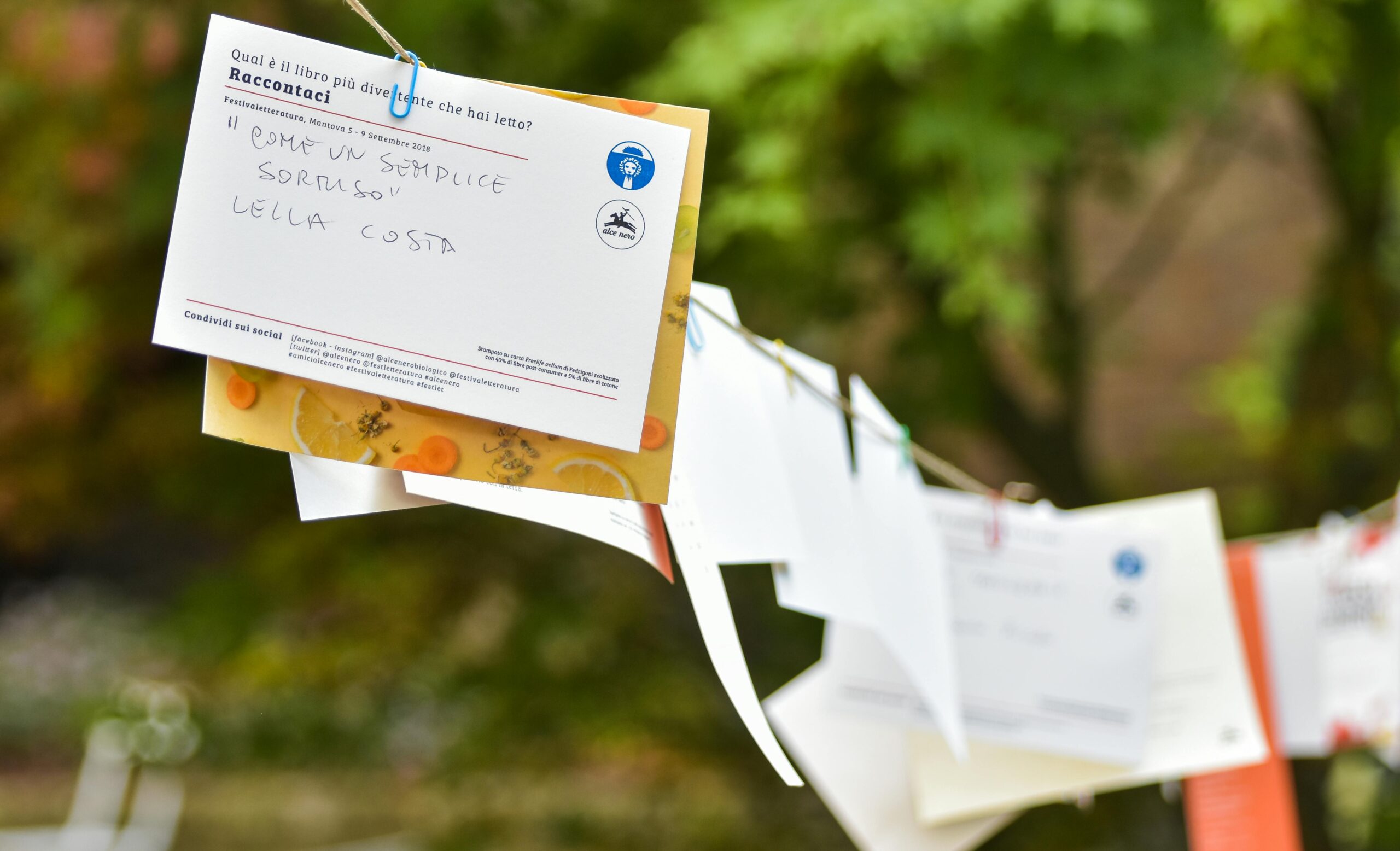
Making Prompt Cards a Sustainable Long-Term Practice 🌟
The true power of prompt cards emerges through sustained use over time. Building a long-term practice requires intentionality about integration into your existing routines and willingness to adapt your approach as your needs evolve.
Start small to avoid overwhelming yourself. Commit to using just one prompt daily or weekly rather than attempting elaborate practice immediately. As the habit solidifies, expand naturally rather than forcing intensity that isn’t sustainable.
Share your practice with others when appropriate. Discussing prompt responses with colleagues, friends, or online communities adds accountability and introduces new perspectives on familiar prompts. This social dimension can sustain motivation during periods when individual practice feels stagnant.
Periodically refresh your prompt collection by adding new cards, retiring those that no longer serve you, or creating custom prompts based on current challenges and goals. This evolution keeps the practice dynamic and relevant as you grow and change.
Guided prompt cards represent more than just another productivity tool or creative gimmick. They embody a philosophy of structured exploration that honors both the need for direction and the value of discovery. By providing frameworks that guide without constraining, they help individuals and teams access deeper thinking, clearer communication, and more innovative solutions across countless contexts and challenges. Whether you’re seeking personal growth, professional development, creative breakthroughs, or simply more intentional ways of engaging with ideas, prompt cards offer a proven pathway toward the clarity and inspiration that meaningful work requires.