Your environment shapes your mental, emotional, and physical well-being more than you might realize. Creating a safe space isn’t luxury—it’s essential self-care that transforms how you experience daily life.

🏡 Understanding What a Safe Space Truly Means
A safe space extends beyond four walls and comfortable furniture. It represents a carefully curated environment where you feel protected, accepted, and free to be authentically yourself without judgment or fear. This sanctuary becomes your refuge from external pressures, a place where stress melts away and peace naturally flows.
The concept encompasses physical safety, emotional security, and psychological comfort. Your ultimate safe space accommodates your sensory preferences, respects your boundaries, and reflects your personal values. It’s where vulnerability feels safe, creativity flourishes, and healing happens organically.
Different people require different elements in their safe spaces. For some, it’s a minimalist bedroom with soft lighting; for others, a vibrant studio filled with artistic tools. The key lies in identifying what specifically makes you feel grounded, secure, and at peace.
🎨 Designing Your Physical Sanctuary
The physical aspects of your space significantly impact your sense of security and comfort. Start by assessing your current environment through the lens of safety and tranquility. Which elements bring calm? What triggers stress or anxiety?
Color Psychology and Mood Enhancement
Colors profoundly influence emotional states. Soft blues and greens typically promote relaxation and reduce anxiety. Warm earth tones create grounding sensations, while pale neutrals offer peaceful simplicity. Consider incorporating colors that resonate with your desired emotional state.
Avoid overwhelming color schemes that create visual chaos. Instead, select a calming base palette with intentional accent colors. If you’re renting or cannot paint, introduce your chosen colors through textiles, artwork, and decorative elements.
Lighting: The Mood Transformer
Harsh overhead lighting rarely contributes to a safe space atmosphere. Layer your lighting with multiple sources at different heights. Table lamps, floor lamps, and string lights create warmth and dimension while allowing you to adjust brightness based on your needs.
Natural light offers immense psychological benefits. Position your safe space near windows when possible, using sheer curtains to filter rather than block sunlight. For evening hours, warm-toned bulbs (2700K-3000K) mimic sunset light and support natural circadian rhythms.
🛋️ Furniture and Layout Considerations
Furniture selection dramatically affects how safe and comfortable you feel. Choose pieces that serve your specific needs rather than following trends. A reading nook might require a supportive chair with good back support, while a meditation space benefits from floor cushions and open areas.
Arrange furniture to create clear pathways and avoid cramped feelings. Position seating where you can observe entry points—this ancestral preference for “command positions” unconsciously increases feelings of security. Ensure your safe space includes at least one truly comfortable spot where you can completely relax.
Texture and Tactile Comfort
Incorporate various textures that feel pleasant against your skin. Soft throws, plush pillows, smooth wood surfaces, and cozy rugs engage your tactile senses and increase physical comfort. These textural layers transform stark spaces into welcoming sanctuaries.
Consider temperature regulation through textiles. Breathable cotton for warm climates, warming wool for cooler environments. Having options allows you to adjust your comfort level throughout different seasons and times of day.
🌿 Nature’s Role in Creating Sanctuary
Biophilic design—incorporating natural elements—reduces stress and enhances well-being. Even small additions like potted plants, natural wood furniture, or stone accents connect your indoor space with the natural world.
Select low-maintenance plants if you’re concerned about care requirements. Snake plants, pothos, and ZZ plants thrive with minimal attention while purifying air and adding life to your space. The act of caring for living things also provides therapeutic benefits.
Natural materials like wood, bamboo, linen, and cotton create organic warmth that synthetic materials cannot replicate. These elements add authenticity and grounding energy to your environment.
🔒 Establishing Boundaries and Privacy
True safe spaces require respected boundaries. If you share your living situation with others, communicate clearly about your need for designated private time and space. Physical boundaries might include closed doors, “do not disturb” signs, or scheduled quiet hours.
Create visual boundaries even in shared spaces. Room dividers, curtains, or strategic furniture placement can carve out personal territory. Noise-canceling headphones serve as portable boundaries when physical separation isn’t possible.
Digital Boundaries Matter Too
Your safe space should offer refuge from constant connectivity. Establish technology-free zones or times. Remove work-related items from your sanctuary to prevent professional stress from infiltrating your peaceful environment.
Consider apps that support healthy digital boundaries and mindfulness practices. Tools that limit screen time, block distracting notifications, or guide meditation can help maintain the peaceful atmosphere you’re cultivating.
🎵 Soundscaping Your Environment
Sound significantly influences your nervous system. Harsh, unexpected noises trigger stress responses, while predictable, gentle sounds promote relaxation. Curate an auditory environment that supports your sense of safety and peace.
White noise machines mask disruptive sounds, particularly helpful in urban environments or shared housing. Nature sounds—rainfall, ocean waves, forest ambience—activate relaxation responses. Soft instrumental music without lyrics allows your mind to settle without distraction.
Silence itself can be profoundly healing. If you live in a noisy area, soundproofing measures like weather stripping, heavy curtains, or acoustic panels protect your sanctuary from external intrusions. Silence allows you to hear your own thoughts and connect with internal calm.
🧘 Incorporating Mindfulness Elements
Your safe space should facilitate present-moment awareness. Designate a specific spot for mindfulness practices like meditation, journaling, or gentle stretching. Consistency in location helps train your mind to enter calm states more easily.
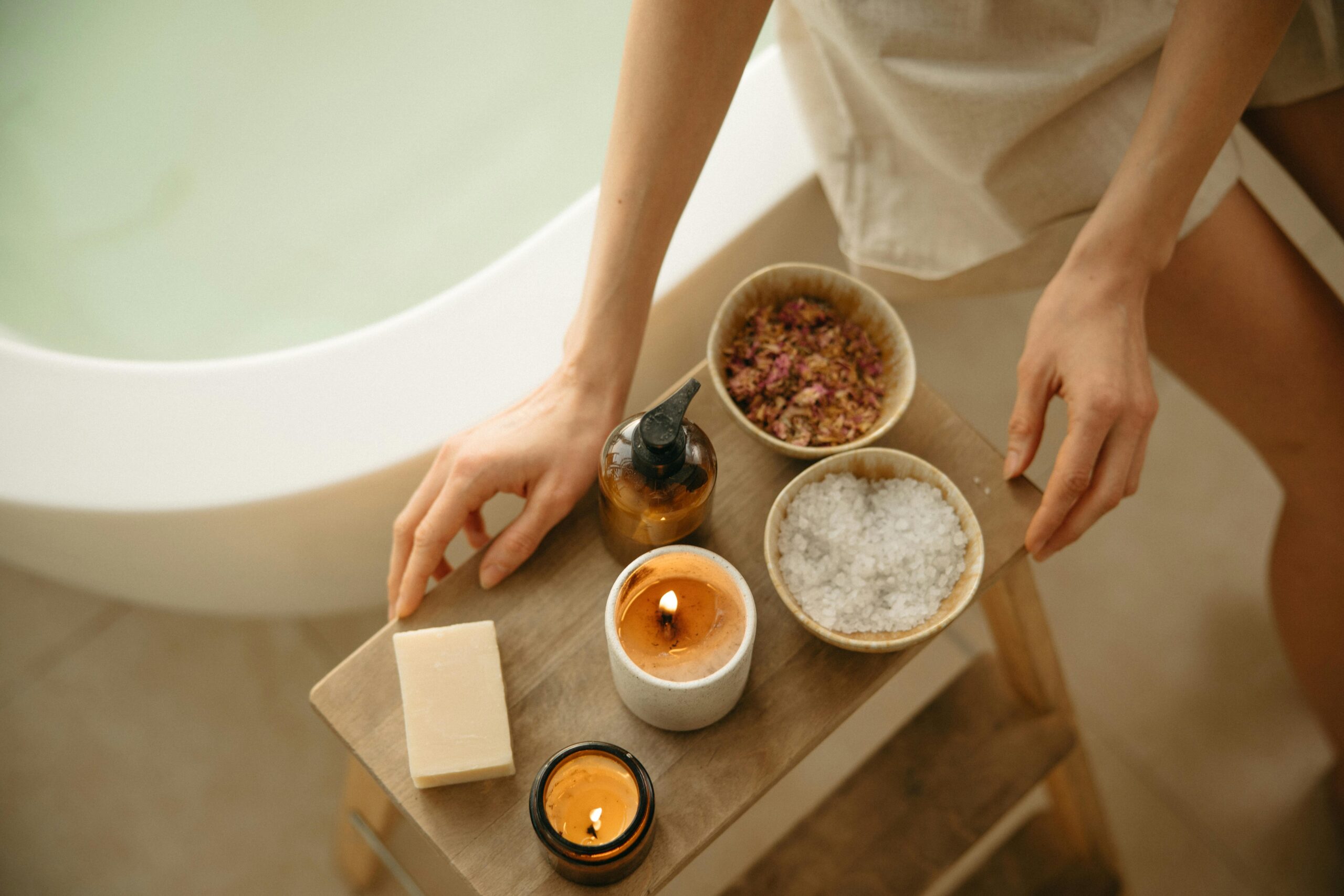
Keep mindfulness tools accessible—meditation cushions, journals, yoga mats—so you can engage in these practices spontaneously. Ritual objects like candles, singing bowls, or meaningful stones can serve as focal points for centering practices.
Creating Sensory Anchors
Sensory anchors are specific stimuli that reliably trigger calm states. Essential oil diffusers with lavender or chamomile create olfactory anchors. A specific soft blanket becomes a tactile anchor. These consistent sensory experiences train your nervous system to associate your space with safety.
Experiment with different sensory elements to discover what resonates most powerfully for you. Some people find weighted blankets incredibly grounding, while others prefer flowing fabrics. Honor your unique sensory preferences rather than following prescriptive advice.
📚 Personalizing with Meaningful Objects
Surround yourself with items that hold positive emotional significance. Photographs of loved ones, artwork that inspires you, books that shaped your thinking—these personal touches make your space uniquely yours and reinforce positive emotional connections.
Avoid cluttering your sanctuary with objects that carry negative associations or obligations. That unfinished project inducing guilt? Store it elsewhere. The gift from someone you don’t actually like? Donate it. Your safe space deserves only items that genuinely serve your well-being.
The Power of Minimalism
While personalization matters, excessive possessions create visual noise that impedes relaxation. Adopt thoughtful minimalism—keeping items that serve functional purposes or bring genuine joy while releasing everything else. Clear surfaces and organized storage reduce mental overwhelm.
Regular decluttering maintains your sanctuary’s peaceful energy. Every few months, reassess your space. Does each item still serve your current needs and support your sense of safety? Physical clearing often accompanies emotional clearing.
🌡️ Temperature and Air Quality Optimization
Physical comfort requires appropriate temperature and fresh air. Most people sleep and relax best in slightly cool environments (65-68°F or 18-20°C). Ensure you can easily adjust temperature through heating, cooling, fans, or strategic window opening.
Air quality dramatically affects health and comfort. Indoor air often contains more pollutants than outdoor air. Beyond adding plants, consider air purifiers if you have allergies, live in polluted areas, or share space with smokers. Regular ventilation by opening windows refreshes stale air and removes accumulated contaminants.
🛡️ Addressing Safety Concerns
Psychological safety requires foundational physical safety. Ensure your space has working locks, adequate lighting for nighttime navigation, and clear emergency exits. Address any structural issues like mold, pest problems, or electrical hazards that undermine genuine security.
For those with trauma histories, additional safety measures might include window locks, door alarms, or security cameras. These aren’t paranoid—they’re practical tools that allow your nervous system to relax, knowing potential threats can be detected and managed.
Emergency Preparedness Supports Peace
Paradoxically, preparing for emergencies increases daily peace of mind. Keep a small emergency kit with essentials like water, flashlight, first aid supplies, and important documents. Knowing you’re prepared for unlikely scenarios frees mental energy from worry.
💫 Energy and Atmosphere Management
Whether you embrace spiritual concepts or simply appreciate psychological effects, consciously managing your space’s “energy” matters. Regular cleaning removes physical dirt and creates psychological freshness. Open windows to circulate air and symbolically release stagnant energy.
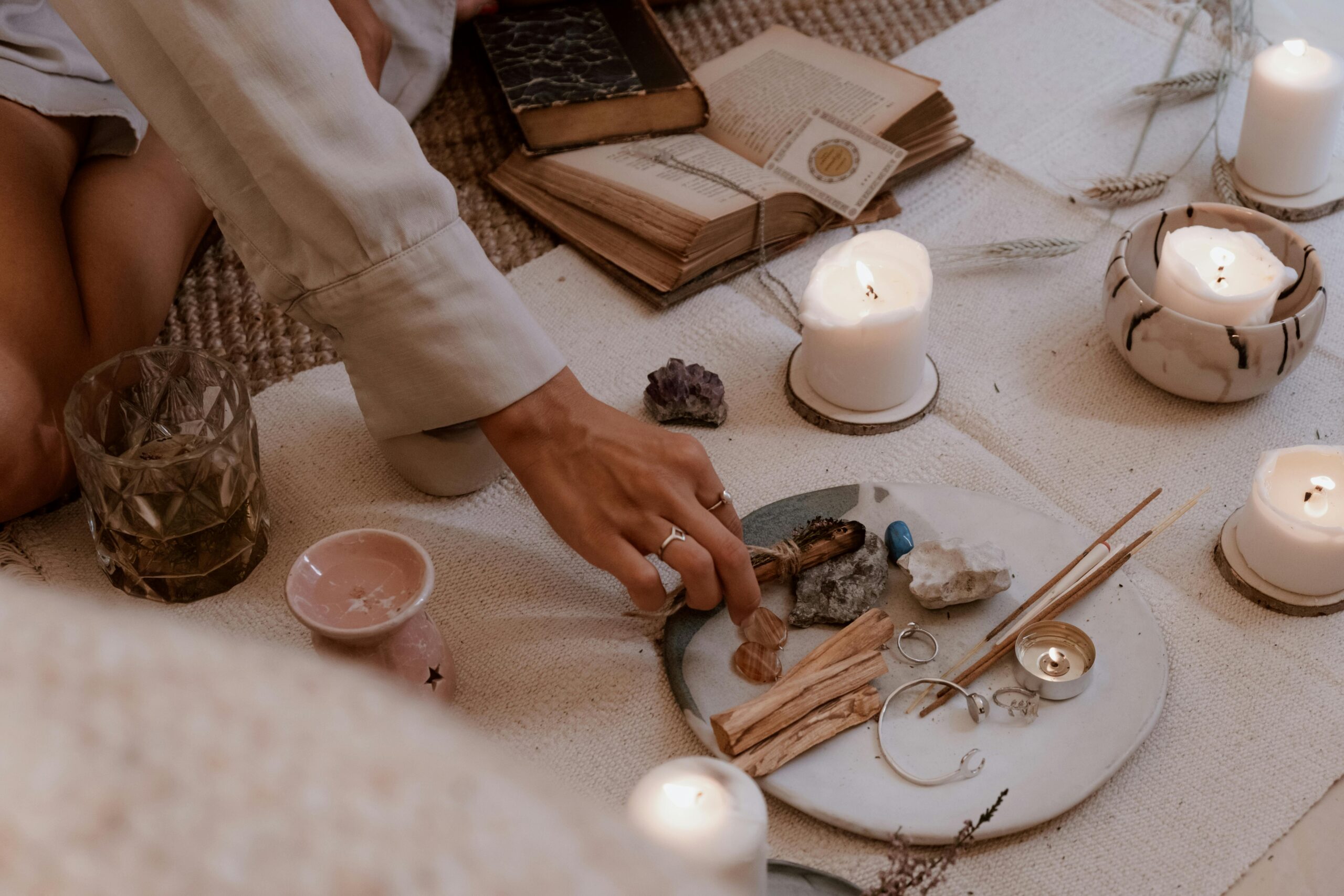
Some people find value in space-clearing practices like burning sage, using salt, ringing bells, or simply setting intentions for their space. These rituals create mindful transitions and reinforce your space’s purpose as a sanctuary.
Notice how different activities affect your space’s atmosphere. Difficult phone calls, stressful work, or conflict leave emotional residue. Afterward, consciously reset the energy through physical tidying, fresh air, lighting candles, or playing uplifting music.
🌙 Adapting Your Space to Different Needs
Your safe space should flexibly accommodate various activities and mood states. Create zones within your sanctuary for different purposes—a reading corner, a creative workspace, a rest area. This versatility prevents the space from feeling limiting while maintaining its peaceful foundation.
Consider adjustable elements that transform throughout the day. Curtains that open for morning light and close for evening coziness. Lamps with dimmers that shift from bright task lighting to soft ambient glow. Furniture that easily rearranges for different activities.
Seasonal Adjustments Maintain Freshness
Refresh your space with seasonal changes. Lighter textiles and open windows in summer, layered blankets and warm lighting in winter. These adjustments keep your environment aligned with natural cycles and prevent staleness.
🤝 When Safe Spaces Are Shared
Creating sanctuary becomes more complex when sharing living space with partners, roommates, or family. Open communication about individual needs for peace, privacy, and comfort becomes essential. Negotiate shared and personal spaces with mutual respect.
Even in shared homes, carve out at least one small area that’s exclusively yours. This might be a bedroom corner, a specific chair, or even a designated time when a shared space becomes your private sanctuary. Clear agreements prevent resentment and boundary violations.
Respect others’ safe spaces as you expect yours to be respected. Model the boundary-honoring behavior you wish to receive. When everyone’s need for sanctuary is acknowledged and protected, the entire household benefits from reduced tension and increased harmony.
🌱 Maintaining Your Sanctuary Long-Term
Creating your ultimate safe space isn’t a one-time project but an ongoing practice. Commit to regular maintenance—physical cleaning, decluttering, and emotional check-ins about whether your space still serves your evolving needs.
As you grow and change, your sanctuary requirements may shift. What felt comforting during one life phase might feel constraining in another. Give yourself permission to continuously adapt your environment without guilt about changing your mind.
Schedule monthly sanctuary assessments. What’s working well? What needs adjustment? What new element might enhance your sense of safety and peace? This reflective practice keeps your space dynamically aligned with your authentic needs.

✨ The Ripple Effects of Sacred Space
Your investment in creating a safe space extends far beyond the physical area itself. When you regularly experience genuine peace and security in your sanctuary, you carry that energy into the world. You model healthy boundaries, self-care, and the importance of creating environments that support human flourishing.
The nervous system regulation that happens in your safe space improves your resilience in challenging external environments. You develop a internal reference point for peace that becomes portable, accessible even when you’re physically away from your sanctuary.
Others benefit from your commitment to creating safe space. Your example might inspire friends, family, or roommates to prioritize their own environmental well-being. The peace you cultivate radiates outward, contributing to collective healing and well-being.
Ultimately, transforming your environment into a haven of comfort, security, and peace represents profound self-respect. You’re declaring that your well-being matters, that you deserve sanctuary, that creating conditions for your own flourishing is worthy work. This foundation of self-care strengthens everything else you do in life, making your safe space one of the most valuable investments you’ll ever make.