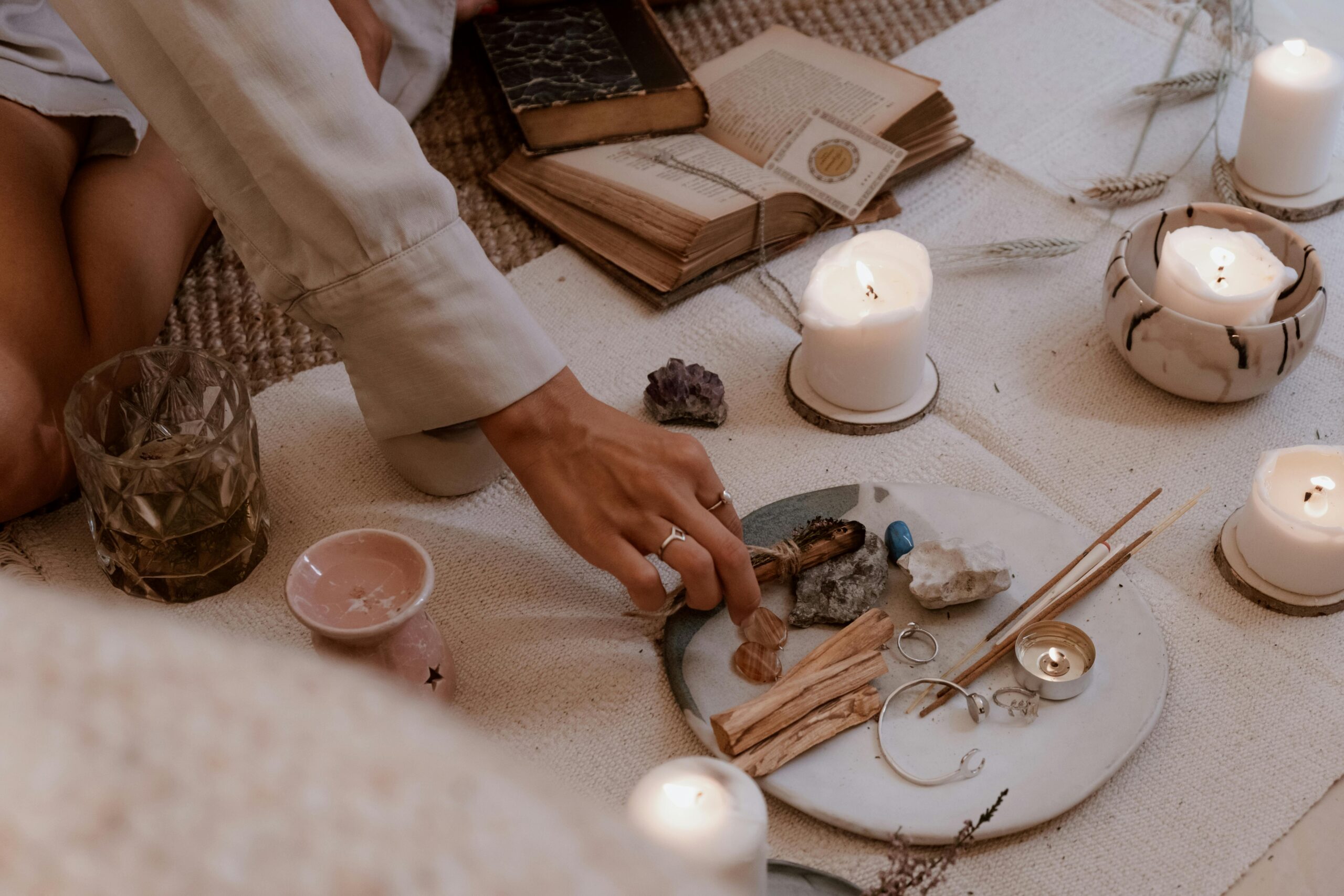
Saying goodbye to a loved one is never easy, but creating a meaningful gentle farewell ceremony can transform grief into healing, honoring their memory with grace and compassion.

✨ Understanding the Power of a Gentle Farewell Ceremony
A gentle farewell ceremony represents more than just a traditional funeral service. It’s an intimate gathering designed to celebrate life, acknowledge loss, and create a supportive environment where emotions can flow naturally. Unlike conventional memorial services that may feel rigid or impersonal, these ceremonies prioritize the emotional well-being of those grieving while honoring the unique spirit of the person who has passed.
The concept of a gentle farewell embraces the philosophy that goodbyes don’t need to be harsh or rushed. Instead, they can be thoughtfully curated experiences that allow family and friends to process their emotions at their own pace. This approach recognizes that everyone grieves differently, and there’s no single correct way to say goodbye.
Research in grief counseling consistently shows that personalized memorial experiences contribute significantly to healthy bereavement. When we take time to craft ceremonies that reflect the personality, values, and passions of our loved ones, we create meaningful touchstones that support long-term healing. These memories become treasures we carry forward, sources of comfort during difficult moments, and connections to the love that never truly disappears.
🌸 Essential Elements of a Heartfelt Farewell
Creating a gentle farewell ceremony requires thoughtful consideration of several key components. Each element should be chosen with intention, reflecting both the person being honored and the needs of those mourning their loss.
Creating the Right Atmosphere
The physical environment sets the tone for your ceremony. Whether you choose a traditional venue, a natural outdoor setting, or a meaningful personal location, the space should evoke feelings of peace and comfort. Consider incorporating soft lighting through candles or natural sunlight, comfortable seating arrangements that encourage gathering, and decorative elements that reflect your loved one’s personality.
Music plays a profoundly important role in establishing atmosphere. Select pieces that held special meaning to the deceased or that evoke appropriate emotions. This might include their favorite songs, instrumental pieces that encourage reflection, or live performances by musicians who knew them. The auditory landscape of your ceremony can unlock memories and emotions in ways that words alone cannot.
Personal Touches That Matter
Personalization transforms a generic service into something truly memorable. Display photographs showcasing different life stages and cherished moments. Create memory tables featuring beloved objects, hobbies, or collections. Consider incorporating elements like favorite flowers, colors, or symbols that held significance.
Some families create memory books where attendees can write messages, share stories, or include photos. Others establish digital memorials that can be accessed by distant friends and family. The goal is to create multiple touchpoints that celebrate the unique individual being remembered.
💙 Planning Your Ceremony Step by Step
While each gentle farewell ceremony will be unique, following a structured planning process ensures nothing important gets overlooked during this emotionally challenging time.
Initial Considerations and Decision-Making
Begin by gathering immediate family members to discuss the vision for the ceremony. Consider whether the person who passed left any wishes or preferences. Discuss whether you want a religious, spiritual, or secular ceremony. Determine your budget realistically, understanding that meaningful doesn’t necessarily mean expensive.
Select a date that allows adequate time for planning while not being so distant that it disrupts the natural grieving process. Typically, ceremonies held within one to two weeks of passing work well, though circumstances vary. Consider the needs of traveling family members and seasonal factors that might affect attendance or logistics.
Choosing Your Ceremony Format
Gentle farewell ceremonies can take many forms. Traditional memorial services can be adapted with personal touches. Celebration of life events focus primarily on joyful memories and accomplishments. Natural burials or ash scatterings can incorporate ceremony elements. Some families choose intimate home gatherings that feel less formal but deeply personal.
Your format choice should reflect both the personality of the deceased and the comfort level of primary mourners. There’s no obligation to follow conventional structures if they don’t serve your healing needs.
🕊️ Incorporating Meaningful Rituals and Traditions
Rituals provide structure to our grief and offer concrete actions during times when we feel powerless. They create shared experiences that bond mourners together and mark the significance of the moment.
Time-Honored Traditions Across Cultures
Different cultures have developed beautiful farewell traditions over centuries. Lighting candles represents the eternal nature of love and memory. Planting memorial trees or gardens creates living tributes that grow over time. Releasing butterflies or doves symbolizes the spirit’s journey. Writing messages on biodegradable materials that can be buried or floated represents letting go while honoring connection.
You might incorporate traditions from your family’s cultural heritage or create entirely new rituals that feel meaningful to your specific situation. The power lies not in following prescribed formats but in the intention and meaning you invest in these acts.
Modern Approaches to Memorial Rituals
Contemporary farewell ceremonies often blend traditional elements with innovative approaches. Video tributes compiled from photos and footage create powerful narrative arcs of a life lived. Memory sharing circles give everyone present an opportunity to contribute their unique perspective and stories.
Some families create charitable initiatives or scholarships in their loved one’s name, announced during the ceremony. Others organize group activities that the deceased enjoyed, like a favorite meal shared together, a walk in a beloved location, or participation in a cause they championed. These active memorials can feel more life-affirming than passive observation.
🌟 Involving Family and Friends Meaningfully
A gentle farewell ceremony becomes more powerful when attendees feel they’re contributing rather than simply observing. Thoughtful participation opportunities help people process their own grief while collectively honoring the person who has passed.
Speaking and Sharing Opportunities
Not everyone feels comfortable delivering formal eulogies, and that’s perfectly acceptable. Consider offering multiple ways for people to share. Open microphone sessions allow spontaneous sharing without pressure. Pre-recorded video messages work well for those who want to contribute but feel too emotional to speak publicly. Written tributes can be collected in a memory book or read aloud by a designated person.
For children attending the ceremony, provide age-appropriate ways to participate. They might draw pictures, choose a special flower to place, or share a brief memory. Including younger family members helps them process loss in healthy ways while feeling connected to the family’s collective grieving.
Collaborative Elements
Group activities create bonds between mourners while honoring the deceased. Consider creating a collective art piece where everyone adds a element—a quilt made from meaningful fabric pieces, a large canvas where people add paint strokes or handprints, or a memory jar where people contribute written remembrances.
Musical participation works beautifully when appropriate. Singing together—whether hymns, favorite songs, or simple melodic pieces—creates profound emotional connection. Even those who don’t consider themselves musicians can usually participate in group singing, and the act of producing sound together has therapeutic qualities.
💝 Creating Lasting Memories Beyond the Ceremony
The gentle farewell ceremony itself is just one moment in the ongoing process of grieving and remembering. The most meaningful ceremonies create ripples that extend far into the future, providing comfort long after the service concludes.
Memory Preservation Strategies
Document your ceremony thoughtfully. Designate someone to take photographs or video who isn’t a primary mourner, allowing immediate family to be fully present emotionally. Audio recording tributes and speeches preserves them for family members who couldn’t attend or for future generations who never met the deceased.
Create physical mementos that attendees can take home—seed packets with favorite flowers to plant, small stones from a meaningful location, bookmarks with favorite quotes, or recipe cards featuring a beloved dish. These tangible reminders extend the ceremony’s impact beyond the event itself.
Establishing Ongoing Memorial Practices
Many families find comfort in creating annual remembrance traditions. This might involve gathering on the anniversary of passing or on the person’s birthday. Some families establish scholarship funds, organize annual charitable events, or maintain memorial gardens that they tend together seasonally.
Digital memorials allow for ongoing connection. Private social media groups where family and friends can share memories, post photos, or simply express when they’re missing the person create community around grief. Some families create memorial websites that friends can visit to leave messages, upload photos, or light virtual candles.
🌈 Navigating Emotions During and After the Ceremony
Even the most beautifully planned gentle farewell ceremony will involve intense emotions. Understanding what to expect emotionally helps you prepare and extend grace to yourself and others during this vulnerable time.
Emotional Preparation
Acknowledge that emotions during the ceremony will likely be unpredictable. You might experience waves of deep sadness, moments of unexpected laughter while remembering joyful times, anger, numbness, or gratitude—sometimes all within minutes. All these reactions are normal and healthy.
Identify support people beforehand—specific individuals who can sit with you, bring you tissues, or simply hold your hand when emotions overwhelm. Having designated supporters allows you to be fully present emotionally without worrying about logistics or appearances.
Processing Grief Beyond the Ceremony
The farewell ceremony marks a significant milestone in grief, but it’s not the endpoint. In the days and weeks following, you may experience the “after-ceremony letdown” when the busyness of planning ends and the full reality of loss settles in.
Give yourself permission to grieve without timeline or judgment. Seek support through grief counseling, support groups, trusted friends, or spiritual advisors. Maintain the connections formed during the ceremony with other mourners—shared grief often creates bonds that become important sources of ongoing support.
🎋 Special Considerations for Different Types of Loss
While all loss deserves gentle acknowledgment, certain circumstances require particular sensitivity in ceremony planning.
Honoring a Child’s Passing
Ceremonies for children demand exceptional tenderness. Parents and family need space to acknowledge the profound injustice of a life cut short while still celebrating the joy that child brought. Consider incorporating the child’s artwork, favorite toys, or beloved books. Create opportunities for other children who knew the deceased to participate in age-appropriate ways.
Balloon releases, bubble blowing, or planting child-friendly flowers can provide symbolic activities that young mourners understand. Balance acknowledging the tragedy with celebrating the love and light the child brought into the world during their time here.
Remembering Those Lost to Difficult Circumstances
When death occurs through suicide, addiction, violence, or other traumatic circumstances, ceremonies require additional care. Acknowledge the complicated emotions mourners may feel—grief mixed with anger, guilt, confusion, or relief. Create space for the full spectrum of feelings without judgment.
Focus the ceremony on the person’s full humanity rather than the circumstances of their death. Highlight their struggles, certainly, but also their strengths, kindnesses, and the love they gave and received. Connect mourners with appropriate mental health resources and support groups specializing in complicated grief.
🌺 Practical Details That Support Your Vision
Beautiful intentions require practical execution. Attending to logistics ensures your gentle farewell ceremony proceeds smoothly, allowing emotional focus rather than organizational stress.
Venue and Logistics
Select venues well in advance, especially during peak seasons. Visit potential locations personally to assess acoustics, capacity, accessibility for elderly or disabled attendees, and general atmosphere. Consider parking availability, restroom facilities, and space for any reception or gathering afterward.
For outdoor ceremonies, always have weather contingency plans. Rent tents, have an indoor backup location, or schedule for seasons with predictable weather. Provide comfort considerations like fans for heat, heaters for cold, or umbrellas for sun and unexpected rain.
Vendor and Service Provider Selection
Choose service providers who demonstrate genuine compassion and flexibility. Meet with funeral directors, celebrants, musicians, caterers, and florists personally before committing. Ask about their experience with gentle, personalized ceremonies. Review their willingness to accommodate non-traditional requests.
Obtain written estimates and agreements to avoid financial surprises during an already stressful time. Don’t hesitate to negotiate or shop around—most providers understand the sensitive nature of these services and will work within your budget when possible.
💫 Finding Peace in Your Farewell
The ultimate purpose of a gentle farewell ceremony is creating space for peaceful goodbyes that honor both the person you’ve lost and your own grieving heart. There’s no perfect ceremony, no ideal way to say goodbye that eliminates pain. Instead, the goal is creating meaningful moments that acknowledge love, celebrate connection, and support healthy grief processing.
As you plan and participate in your ceremony, release perfectionism. Embrace authenticity instead. The most powerful farewells aren’t the most elaborate or expensive—they’re the ones where love flows freely, where laughter and tears mingle naturally, and where everyone present feels the full permission to grieve in their own way.
Your gentle farewell ceremony plants seeds of healing that will grow over time. The memories created become touchstones you’ll return to repeatedly throughout your grief journey. When waves of sadness crash over you in coming months and years, you’ll be able to recall the warmth of gathered community, the beauty of shared stories, and the tangible reminder that your loved one’s impact extends far beyond their physical presence.
Trust yourself to create something meaningful. Listen to your heart about what feels right. Include elements that would make your loved one smile. Prioritize what brings comfort to those grieving most deeply. And remember—the gentlest farewell isn’t necessarily the quietest or smallest; it’s the one that makes space for authentic emotion, celebrates genuine connection, and honors the irreplaceable person you’re releasing into memory.
In embracing peaceful goodbyes through heartfelt ceremony, you’re not just marking an ending. You’re affirming that love persists beyond death, that lives well-lived deserve beautiful acknowledgment, and that even in profound loss, moments of grace and connection remain possible. Your gentle farewell becomes a gift—to the person who passed, to everyone who loved them, and to yourself as you navigate the difficult path of grief toward eventual healing.