Our homes tell stories. Every object we choose to display carries meaning, evoking memories and emotions that shape how we experience our living spaces daily.

In a world increasingly dominated by minimalist trends and mass-produced décor, there’s a quiet revolution happening in interior design. People are rediscovering the profound impact of surrounding themselves with objects that carry personal significance—items that whisper memories, spark joy, and create genuine connections to our past, present, and future.
Meaning-making objects transform sterile spaces into living narratives. They’re the antiques inherited from grandparents, the souvenirs from transformative travels, the handmade gifts from loved ones, and the collections we’ve carefully curated over time. These items don’t just occupy physical space; they anchor us emotionally and psychologically, creating environments that truly feel like home.
🏠 What Makes an Object Meaningful?
Not every possession qualifies as a meaning-making object. The difference lies in the emotional resonance and personal narrative attached to an item rather than its monetary value or aesthetic appeal alone.
Meaningful objects typically share several characteristics. They evoke specific memories or emotions when you interact with them. They connect you to important people, places, or moments in your life. They often have stories you enjoy sharing with others, and they reflect your values, interests, or identity in tangible ways.
Consider the difference between a generic store-bought vase and your grandmother’s ceramic pitcher that graced her table every Sunday dinner. Both serve similar functions, but only one carries the weight of family gatherings, the sound of her laughter, and the warmth of belonging. That’s the power of meaning-making.
The Psychology Behind Sentimental Attachments
Research in environmental psychology reveals that our surroundings significantly impact our mental well-being. Objects with personal meaning serve as “identity anchors”—physical reminders of who we are and where we’ve been. They provide continuity during times of change and transition.
These items activate our autobiographical memory, strengthening our sense of self. When we surround ourselves with meaningful objects, we’re essentially curating a three-dimensional autobiography that supports our psychological needs for belonging, identity, and purpose.
📖 Creating Your Personal Museum at Home
Your living space can function as a personal museum where each room tells different chapters of your life story. This doesn’t mean cluttering every surface with knick-knacks, but rather thoughtfully displaying items that genuinely matter.
Start by auditing your current possessions. Which items make you smile when you see them? Which spark memories or conversations? Which objects would you rescue first in an emergency? These questions help identify your true meaning-making objects.
Display Strategies That Honor Your Stories
Once you’ve identified meaningful objects, displaying them effectively ensures they enhance rather than overwhelm your space. Consider these approaches:
- Create vignettes: Group related items together to tell cohesive stories, like travel souvenirs from a memorable trip or family heirlooms from the same era.
- Rotate displays seasonally: Keep your space fresh while ensuring all meaningful items get their moment in the spotlight throughout the year.
- Use proper lighting: Spotlighting special objects draws attention and creates focal points that invite contemplation and conversation.
- Mix old and new: Blend vintage treasures with contemporary pieces to create dynamic, layered spaces that reflect your journey through time.
- Leave breathing room: Avoid overcrowding. Each meaningful object deserves space to be appreciated individually.
✨ Transform Different Spaces with Intentional Objects
Different rooms in your home serve different functions and can accommodate various types of meaning-making objects. Strategic placement enhances both the space and the object’s impact.
Living Rooms: Conversation Starters and Shared Memories
Your living room is typically where you entertain guests and gather with family. This makes it ideal for displaying objects that prompt stories and conversations. Coffee table books from meaningful places, framed photographs capturing important moments, artwork created by family members, or collections that reflect your passions all work beautifully here.
Consider creating a gallery wall that evolves over time, mixing family photos, travel art, and other visual memories. This becomes a living timeline that guests can explore and that reminds you daily of your rich life experiences.
Bedrooms: Private Sanctuaries of Personal Meaning
Bedrooms are intimate spaces where you can display objects meant primarily for your own reflection and comfort. Bedside tables might hold books that changed your perspective, photographs of loved ones, or small treasures that bring peace.
This is where you might keep more private meaningful objects—love letters, journals, or items connected to personal achievements and growth. These objects don’t need to impress others; they exist solely to support and comfort you.
Kitchen and Dining Areas: Celebrating Heritage and Tradition
Kitchens naturally house meaning-making objects, from grandma’s recipe box to the dishes used for special occasions. These spaces celebrate heritage, tradition, and the nurturing aspects of home life.
Display inherited serving pieces, use vintage kitchen tools that still function beautifully, or create a cookbook collection that documents your culinary journey. Every meal becomes richer when prepared and served with objects carrying family history.
🌍 Travel Souvenirs: Bringing the World Home
Travel mementos are perhaps the most common meaning-making objects, yet many people struggle to display them effectively. The key is selectivity and intentional placement.
Rather than buying generic tourist items, seek out objects that genuinely resonated with you during your travels. A hand-thrown pottery piece from a local artisan, textiles reflecting regional craftsmanship, or natural objects like stones or shells carry more meaning than mass-produced souvenirs.
Create a dedicated travel shelf or corner where items from different journeys coexist. Add small labels or notes explaining where each item came from and why it matters. This transforms random tchotchkes into a curated travel narrative.
Documenting the Stories Behind the Objects
Memories fade over time. Consider creating a simple catalog of your most meaningful objects, noting their origins, the stories attached to them, and why they matter. This practice serves multiple purposes.
First, it preserves stories for future generations who might inherit these items. Second, the act of writing solidifies memories and deepens your connection to the objects. Third, it helps you be more intentional about what you keep and display, preventing accumulation without meaning.
🎨 Balancing Aesthetics with Sentiment
One common concern is that meaningful objects might not fit current design aesthetics. Perhaps you love minimalist Scandinavian design but treasure your grandmother’s ornate Victorian mirror. Can these coexist?
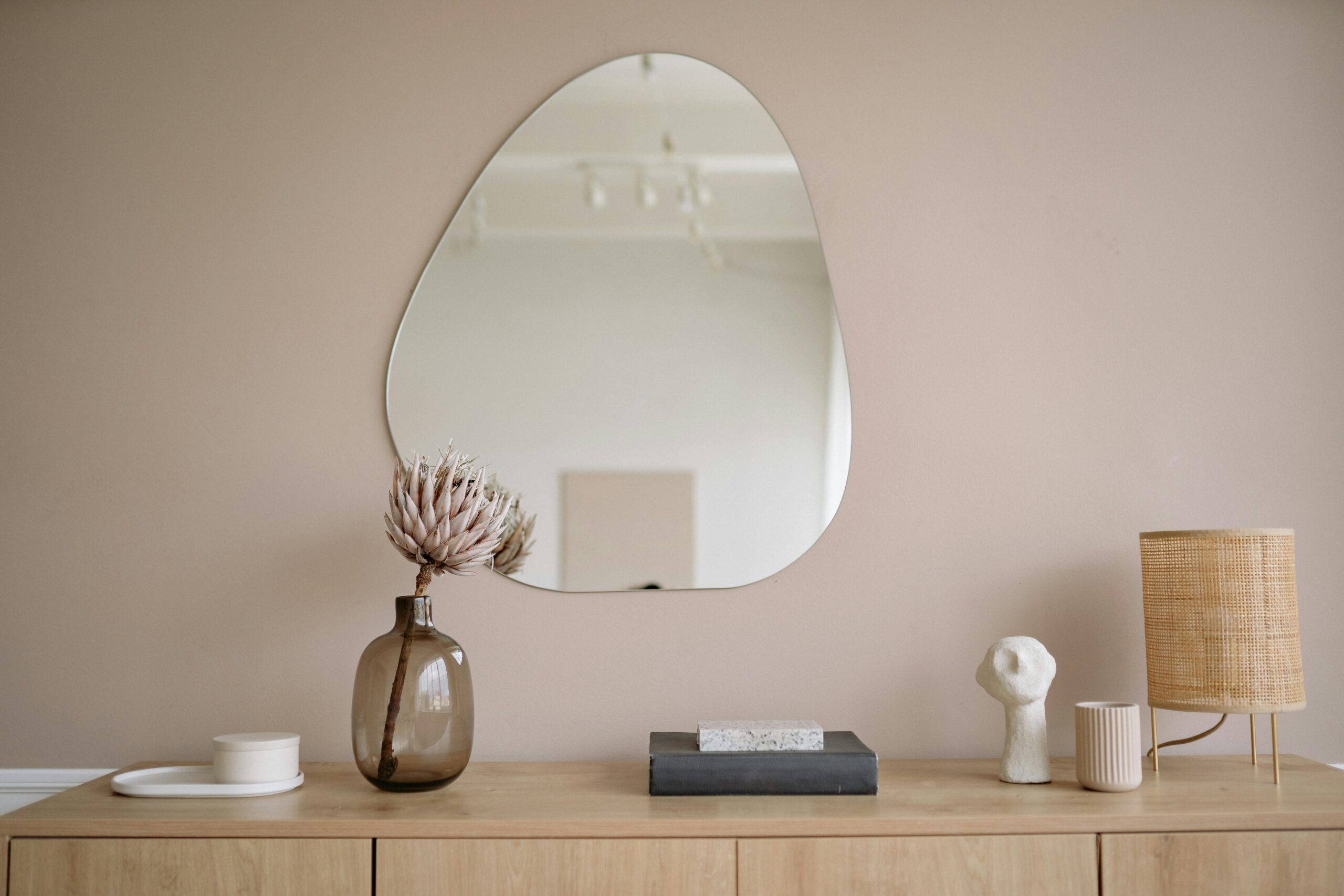
Absolutely. The key is thoughtful integration rather than rigid adherence to a single style. That Victorian mirror becomes a stunning statement piece against clean, minimal walls. The contrast actually enhances both elements.
If an object truly matters but doesn’t work visually in your space, consider these solutions:
- Reframe or refinish items to better suit your aesthetic while preserving their essence
- Display them in unexpected ways that highlight their unique qualities
- Rotate them in and out of active display while keeping them accessible
- Create dedicated spaces where mixed styles feel intentional rather than chaotic
- Use neutral backgrounds to let eclectic meaningful objects shine without clashing
💝 Meaning-Making Objects as Gifts
Understanding the power of meaningful objects transforms how we approach gift-giving. Rather than purchasing generic items, we can give gifts that become meaning-makers for recipients.
The most treasured gifts often have personal significance. A book that changed your life with a heartfelt inscription, a photograph you took together professionally framed, or a handmade item created specifically for them—these gifts transcend material value.
When giving objects, include the story. Explain why you chose it, what it reminds you of, or what you hope it will mean to them. This narrative transforms a simple object into a vessel for connection and memory.
🔄 The Art of Letting Go: When Objects Lose Meaning
Not all objects retain meaning forever. As we grow and change, some items that once resonated deeply may lose their significance. Recognizing this and letting go is equally important to curating a meaningful space.
Periodically reassess your displayed objects. Do they still spark joy or meaningful memories? If an item feels more like an obligation than a treasure, it might be time to pass it along.
Letting go doesn’t mean discarding family heirlooms carelessly. Consider photographing items before releasing them, preserving the memory without the physical burden. Pass items to family members who might appreciate them more. Donate to organizations where they’ll be valued and used.
Creating Space for New Meaning
Releasing objects that no longer serve you creates space—both physical and emotional—for new meaningful items to enter your life. Your story continues evolving, and your space should reflect your current chapter, not just past ones.
This doesn’t mean constantly purging everything. Rather, it’s about maintaining a dynamic relationship with your possessions, where each object earns its place through genuine meaning rather than guilt, obligation, or habit.
🌟 Teaching Children About Meaningful Objects
Introducing children to the concept of meaning-making objects helps them develop healthy relationships with possessions and understand the difference between materialism and meaningful accumulation.
Encourage children to keep memory boxes with special items from different life stages. Help them understand why certain family objects matter. Share stories about inherited items. This builds appreciation for history, connection, and the stories objects can tell.
When children receive gifts, discuss what makes them special beyond their novelty. Which toys or objects do they return to repeatedly? Why? These conversations develop emotional intelligence and intentionality around possessions.
🏡 Meaning-Making in Small Spaces
Living in small spaces doesn’t mean sacrificing meaningful objects. In fact, space constraints can sharpen your curation skills, ensuring every displayed item truly matters.
In compact homes, multifunctional meaningful objects work especially well. Your grandmother’s serving bowl that you actually use regularly. Books you reread and display. Furniture pieces with history that also serve practical purposes.
Vertical space becomes crucial in small homes. Wall-mounted shelves dedicated to meaningful small objects, floating ledges for rotating displays, and gallery walls maximize impact without consuming floor space.
💭 Digital Documentation: Preserving Stories for Future Generations
Technology offers new ways to preserve the stories behind meaningful objects. Photography, video, and digital journaling ensure memories attached to objects don’t disappear when items eventually deteriorate or move to new owners.
Create digital albums where photos of meaningful objects are accompanied by their stories. Record video interviews with family members discussing important family heirlooms. These digital companions ensure the emotional legacy survives beyond the physical objects.
Some families create private websites or social media groups where members share stories about meaningful objects, creating a collective memory archive accessible to current and future generations.
🎯 Starting Your Transformation Today
Transforming your space with meaning-making objects doesn’t require a complete home overhaul or significant expense. Begin with simple, intentional steps that gradually shift your environment’s emotional resonance.
Identify one room or area to start. Select three to five truly meaningful objects you own but haven’t properly displayed. Clear a surface or wall space. Arrange these items thoughtfully, considering lighting, proximity to where you spend time, and how they relate to each other.
Live with this small change for a week. Notice how you feel in this space. Do these objects prompt positive memories? Do they spark conversations? Do they make the space feel more authentically yours? This experimentation reveals what works for you.
Gradually expand this practice throughout your home, always prioritizing genuine meaning over decorative obligation. Your space should tell your story, not replicate showroom perfection.
🌈 The Deeper Connection Between Objects and Identity
Ultimately, meaning-making objects serve a purpose far beyond decoration. They ground us in our history while supporting our present identity. They connect us to people we love, places we’ve been, and experiences that shaped us.
In our increasingly digital, transient world, these physical anchors matter more than ever. They provide tangible connections in an intangible age. They slow us down, prompting reflection and gratitude. They remind us that we’re part of ongoing stories larger than ourselves.
When you surround yourself with objects that carry genuine meaning, you’re not just decorating a house—you’re building a home that nurtures your soul, celebrates your journey, and creates space for the connections that make life rich and meaningful.
Your space becomes a sanctuary that supports your well-being, a conversation starter that builds relationships, and a legacy that preserves what matters most. That’s the true power of meaning-making objects: they transform empty rooms into living stories, connecting past, present, and future in tangible, beautiful ways that enrich every day you spend among them.