Letting go isn’t just a concept—it’s a practice that transforms how we live, breathe, and move through the world with renewed purpose.

In our modern lives, we accumulate far more than just physical possessions. We hold onto outdated beliefs, painful memories, toxic relationships, and emotional baggage that weighs us down like invisible anchors. The transformative power of letting-go object rituals offers a tangible pathway to release what no longer serves us, renew our energy and perspective, and reclaim the lightness we deserve.
These rituals aren’t merely symbolic gestures—they’re profound acts of self-liberation that create space for growth, joy, and authenticity. When we intentionally release physical objects tied to our past, we simultaneously release the emotional weight they carry, opening ourselves to new possibilities and a brighter future.
🌟 Understanding the Psychology Behind Letting-Go Rituals
Our brains create powerful associations between objects and memories, emotions, and identities. Neuroscience reveals that physical items can trigger the same neural pathways as the experiences themselves, keeping us tethered to past versions of ourselves long after we’ve outgrown them.
When we hold onto objects from failed relationships, unfulfilled dreams, or painful chapters, we’re essentially storing emotional data in physical form. These items become containers for grief, regret, shame, or disappointment—feelings that subtly drain our energy each time we encounter them.
Letting-go rituals work because they provide concrete, intentional actions that signal to our subconscious mind that we’re ready to move forward. The physical act of releasing an object creates a psychological break with the past, allowing our brains to update their internal narratives about who we are and what we’re capable of becoming.
The Neuroscience of Release and Renewal
Research in neuroplasticity shows that our brains are constantly rewiring based on our experiences and behaviors. When we engage in deliberate letting-go practices, we’re literally creating new neural pathways that support healthier patterns of thinking and being.
The act of choosing to release something activates our prefrontal cortex—the part of our brain responsible for decision-making and self-control. This strengthens our capacity for intentional living rather than reactive existence. Meanwhile, the ritual aspect engages our limbic system, helping us process and integrate emotions in a healthy, constructive way.
✨ Powerful Object Rituals for Different Life Transitions
Not all letting-go rituals are created equal. The most effective practices align with your specific situation, personality, and the type of release you’re seeking. Here are transformative rituals for various life circumstances:
The Burning Ceremony: Transforming Pain into Ash
Fire has been used in purification rituals across cultures for millennia. A burning ceremony allows you to literally watch your attachments transform into smoke and ash, creating a powerful visual representation of release.
Choose items that are safe to burn—letters, photographs, journal entries, or symbolic representations written on paper. Create a sacred space outdoors or in a fireplace, set your intention clearly, and as you place each item in the flames, speak or think about what you’re releasing. Watch as the fire consumes what you no longer need, transforming it completely.
The key is mindfulness throughout the process. Don’t rush. Allow yourself to feel whatever emotions arise—grief, relief, anger, or peace. This ceremony works particularly well for releasing past relationships, old identities, or painful memories that have outlived their purpose in your life.
The Water Release: Flowing Toward Freedom
Water represents fluidity, cleansing, and the natural flow of life. A water release ritual involves placing biodegradable objects into moving water—a river, ocean, or stream—symbolizing your willingness to let the current of life carry away what you’re releasing.
You might write what you’re letting go of on flower petals, leaves, or biodegradable paper, then watch as the water carries them away. This ritual is especially powerful for releasing control, accepting uncertainty, or letting go of rigid expectations about how life “should” unfold.
The beauty of water rituals lies in their gentleness. Unlike fire, which transforms through destruction, water represents gradual dissolution and natural flow. This makes it ideal for those who need to release with compassion rather than anger or finality.
The Burial Ceremony: Returning to Earth
Burying objects creates a sense of completion and return to the natural cycle of life. This ritual acknowledges that everything has its season, and what once served us can now decompose and nourish new growth.
Choose a meaningful location—your garden, a special spot in nature, or even a potted plant. Bury biodegradable items or symbolic representations of what you’re releasing. Consider planting seeds or bulbs above them, creating a living testament to transformation and renewal.
This ritual works beautifully for releasing dreams that didn’t materialize, relationships that have ended, or versions of yourself that you’ve outgrown. The act of covering the object with earth provides a sense of closure and protection, while the potential for new life above symbolizes hope and forward momentum.
🎯 Creating Your Personal Letting-Go Practice
The most powerful rituals are those you design yourself, tailored to your unique needs, values, and circumstances. Here’s how to create a personalized practice that resonates deeply with your journey:
Identifying What Needs to Be Released
Before you can let go, you need clarity about what’s holding you back. Spend time in quiet reflection, journaling, or meditation to identify the physical objects in your life that carry emotional weight. Ask yourself:
- What items make me feel heavy, sad, or stuck when I see them?
- Which possessions connect me to a version of myself I’ve outgrown?
- What am I holding onto out of guilt, obligation, or fear rather than genuine attachment?
- Which objects represent unfulfilled expectations or painful disappointments?
- What physical items symbolize relationships, beliefs, or patterns I’m ready to release?
Make a list without judgment. Simply observe what surfaces. Not everything on your list needs to be released immediately—this is about awareness first, action second.
Setting Clear Intentions for Your Ritual
Intention transforms a simple action into a sacred ritual. Before engaging in any letting-go practice, get crystal clear about why you’re doing it and what you hope to invite into the space you’re creating.
Write down your intention in specific, affirmative language. Instead of “I want to stop feeling sad about my ex,” try “I release this relationship with gratitude for what it taught me, and I open myself to love that aligns with who I am now.” The difference is subtle but powerful—you’re moving toward something positive rather than simply away from something negative.
Choosing the Right Time and Setting
Timing matters. Natural transition points—new moons, seasonal changes, birthdays, anniversaries, or the start of a new year—carry their own energy that can amplify your ritual’s power. However, don’t wait for the “perfect” moment if you feel called to release something now.
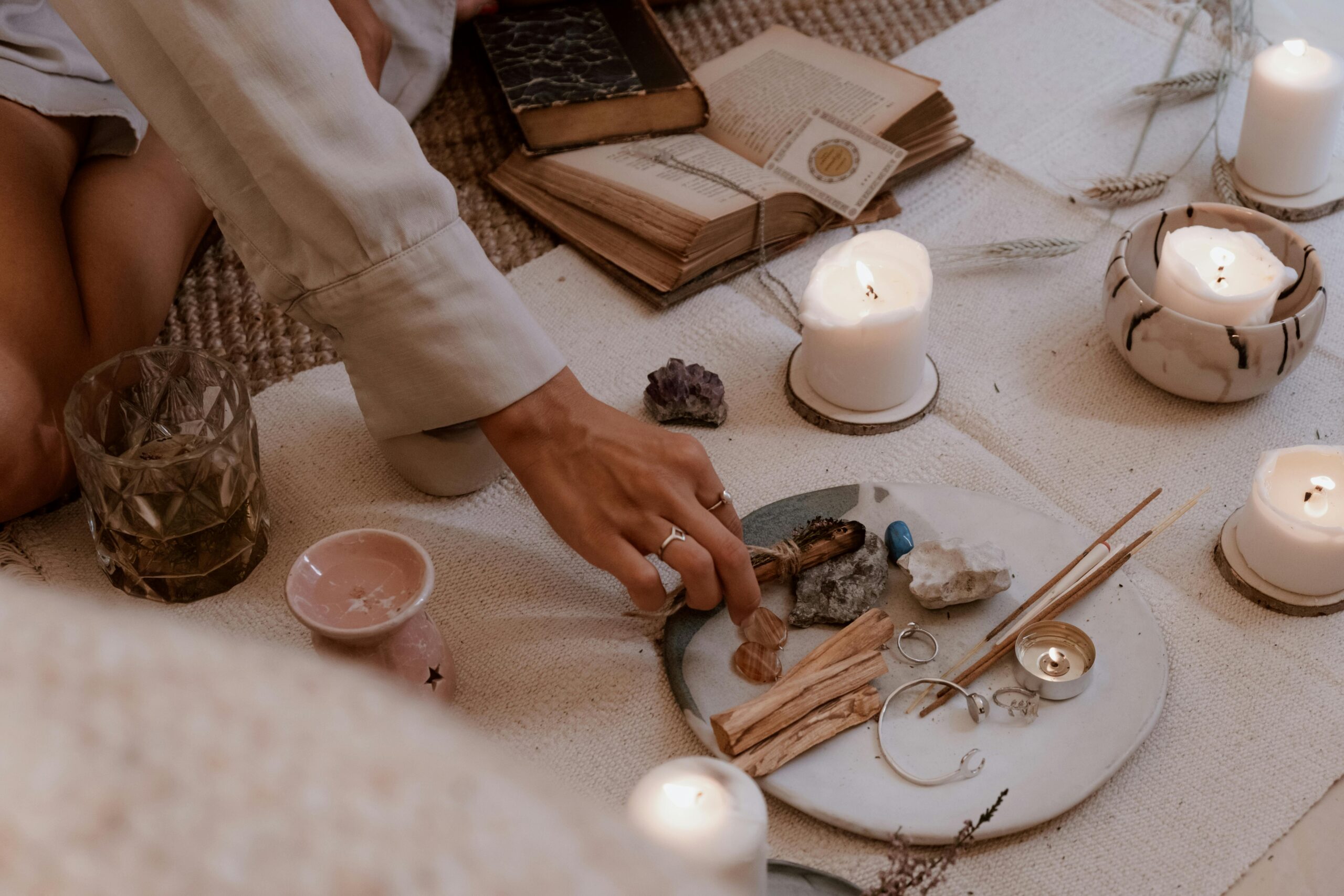
Create a setting that feels sacred to you. This might mean lighting candles, playing meaningful music, wearing special clothing, or inviting trusted friends to witness your ceremony. The environment should support you in feeling safe, focused, and emotionally open.
💫 The Three Phases of Transformation
Effective letting-go rituals move through three distinct phases, each essential to the complete transformation from heaviness to lightness:
Phase One: Release (Acknowledging and Honoring)
The first phase involves fully acknowledging what you’re releasing and honoring its role in your life. This isn’t about vilifying the past or pretending something didn’t matter—it’s about recognizing the complete truth of your experience.
Hold the object you’re releasing and allow yourself to remember. Feel the emotions without trying to change or fix them. Express gratitude for whatever lessons or growth came from this chapter, even if it was painful. This acknowledgment creates completion and prevents unfinished emotional business from lingering.
Phase Two: Renew (Creating Space and Clarity)
Once you’ve released the physical object, you’ll notice an immediate sense of space—both literally and energetically. This is the renewal phase, where you consciously direct attention toward what you want to cultivate in this newfound openness.
Engage in cleansing activities: clean the physical space where the object was stored, take a ritual bath, or spend time in nature. Journal about how you feel different, lighter, or more spacious. Notice the subtle shifts in your energy, mood, and perspective.
This is also the time to establish new patterns that support your transformed self. If you released objects tied to an unhealthy relationship, perhaps you establish new boundaries or self-care practices. If you let go of items representing failed professional dreams, maybe you explore new career possibilities that excite you now.
Phase Three: Reclaim (Embodying Your New Reality)
The final phase involves actively reclaiming the energy, space, and possibilities that are now available to you. This is where transformation becomes integration—where the ritual’s effects settle into your daily life as lasting change.
Consider bringing something new into your space that represents your renewed self—not to fill the void, but to celebrate your growth. This might be a plant symbolizing new life, artwork that inspires you, or simply leaving the space empty as a reminder of your commitment to lightness.
More importantly, reclaim aspects of yourself that may have been dormant. The confidence you suppressed, the creativity you set aside, the joy you forgot was possible—these are yours to embody fully now. Act from this reclaimed wholeness, making choices that align with who you’re becoming rather than who you were.
🌈 Overcoming Resistance and Emotional Blocks
Letting go sounds simple in theory but can feel impossibly difficult in practice. Resistance is normal and actually signals that you’re touching something significant. Here’s how to work with common blocks:
When Guilt Keeps You Holding On
Many people struggle to release gifts from loved ones, inheritances, or items associated with deceased relatives. The guilt whispers: “If I let this go, I’m dishonoring them or proving I don’t care.”
The truth is that keeping objects out of guilt creates resentment, not honor. Real honoring comes from gratitude and memory, not possession. Take photos of meaningful items before releasing them, write about the memories they hold, or keep one representative piece while letting go of multiples.
Remember: the love and connection you shared exists independent of physical objects. You’re not releasing the person or the relationship—only the burden of maintaining possessions that no longer serve your present life.
When Fear Creates False Attachment
Sometimes we hold onto objects “just in case”—clothing we might fit into again, supplies for hobbies we’ve abandoned, or items from past careers we might return to. This is fear masquerading as practicality.
Ask yourself honestly: Am I keeping this because I genuinely plan to use it, or because I’m afraid of uncertainty? If the object represents a past version of yourself you’re trying to keep available as a safety net, consider whether that’s preventing you from fully committing to your present path.
Trust that if you genuinely need something in the future, you’ll find a way to acquire it. The space and energy you gain now by releasing it will likely serve you far better than the object itself ever could.
When Sentimental Value Feels Overwhelming
Not everything requires physical preservation. In our digital age, you can photograph items before releasing them, creating a memory archive without the physical burden. Write about why an object matters, capturing the story and emotion, then release the item itself.
Consider whether you’re holding the object or the object is holding you. True sentimentality brings warmth and joy when you encounter an item. If instead you feel obligation, heaviness, or discomfort, that’s not sentimentality—it’s emotional captivity.
🔄 Making Letting-Go a Sustainable Practice
One-time rituals can be powerful, but lasting transformation comes from making release and renewal an ongoing practice rather than a single event. Here’s how to integrate letting-go into your regular rhythm:
Seasonal Release Ceremonies
Align your letting-go practices with the natural seasons. As autumn arrives and trees release their leaves, what can you release? As spring brings new growth, what old patterns can you compost to nourish what’s emerging?
Schedule quarterly review sessions where you assess your physical space, emotional landscape, and relational dynamics. Identify what’s accumulated that no longer serves you, then create appropriate rituals for release.
Daily Micro-Releases
Not every release requires an elaborate ceremony. Build daily practices that keep you in a flow of letting go: donate one item each day, release one negative thought when it arises, or end each day by writing down and then crossing out one thing you’re choosing not to carry into tomorrow.
These micro-releases prevent the accumulation of emotional and physical clutter, making larger letting-go rituals less necessary and less overwhelming when they do occur.
🌟 The Ripple Effects of Living Lighter
As you consistently practice letting-go rituals, you’ll notice transformation extending far beyond the objects themselves. People who regularly engage in intentional release often report:
- Increased mental clarity and decision-making capacity
- Greater emotional resilience and flexibility
- Improved relationships as they release resentments and outdated roles
- Enhanced creativity and problem-solving abilities
- Deeper sense of purpose and alignment with authentic values
- Physical health improvements as stress and emotional burden decrease
- More energy and enthusiasm for present-moment experiences
- Reduced anxiety about the future and regret about the past
Living lighter isn’t about having less—it’s about being unburdened by what doesn’t matter so you can fully embrace what does. It’s about moving through the world with ease rather than effort, responding to life from freedom rather than fear.

🎁 Your Invitation to Transformation
The transformative power of letting-go object rituals isn’t found in the objects themselves—it’s found in your willingness to release, renew, and reclaim. Every item you intentionally let go of is a vote for the life you want to create, a declaration that you trust yourself to move forward without the weight of the past.
Start small if you need to. Choose one object today that represents something you’re ready to release. Hold it, acknowledge its significance, express gratitude for whatever it brought to your life, and then let it go through whatever ritual feels right. Notice how you feel afterward—the subtle lightness, the whisper of possibility, the sense of agency that comes from choosing your relationship with the past.
This is your path to walk, your transformation to experience. The objects are simply doorways to the real work: releasing who you thought you should be so you can become who you truly are. As you practice letting go, you’re not losing anything essential—you’re stripping away everything that isn’t you, revealing the brightness that was always there beneath the accumulated weight.
The lighter, brighter you isn’t somewhere in the future waiting to be discovered. That version of yourself emerges naturally when you release what’s covering it. And that emergence begins with a single object, a clear intention, and the courageous choice to let go.