Discover how rhythmic movement meditation bridges the gap between physical motion and mental stillness, offering a transformative path to lasting peace and vitality. ✨

In our fast-paced modern world, finding moments of genuine tranquility feels increasingly elusive. We rush through days packed with responsibilities, digital notifications, and endless to-do lists, rarely pausing to reconnect with ourselves. Yet within this chaos lies an ancient solution that’s gaining renewed attention: rhythmic movement meditation. This powerful practice combines intentional physical motion with mindful awareness, creating a gateway to inner serenity while simultaneously energizing body and spirit.
Unlike traditional seated meditation, rhythmic movement meditation acknowledges that stillness isn’t the only path to peace. For many people, attempting to sit motionless actually increases restlessness and mental chatter. Movement-based meditation practices honor the body’s natural desire for motion while cultivating the same deep awareness and presence found in stillness-based techniques.
🌊 The Ancient Wisdom Behind Movement Meditation
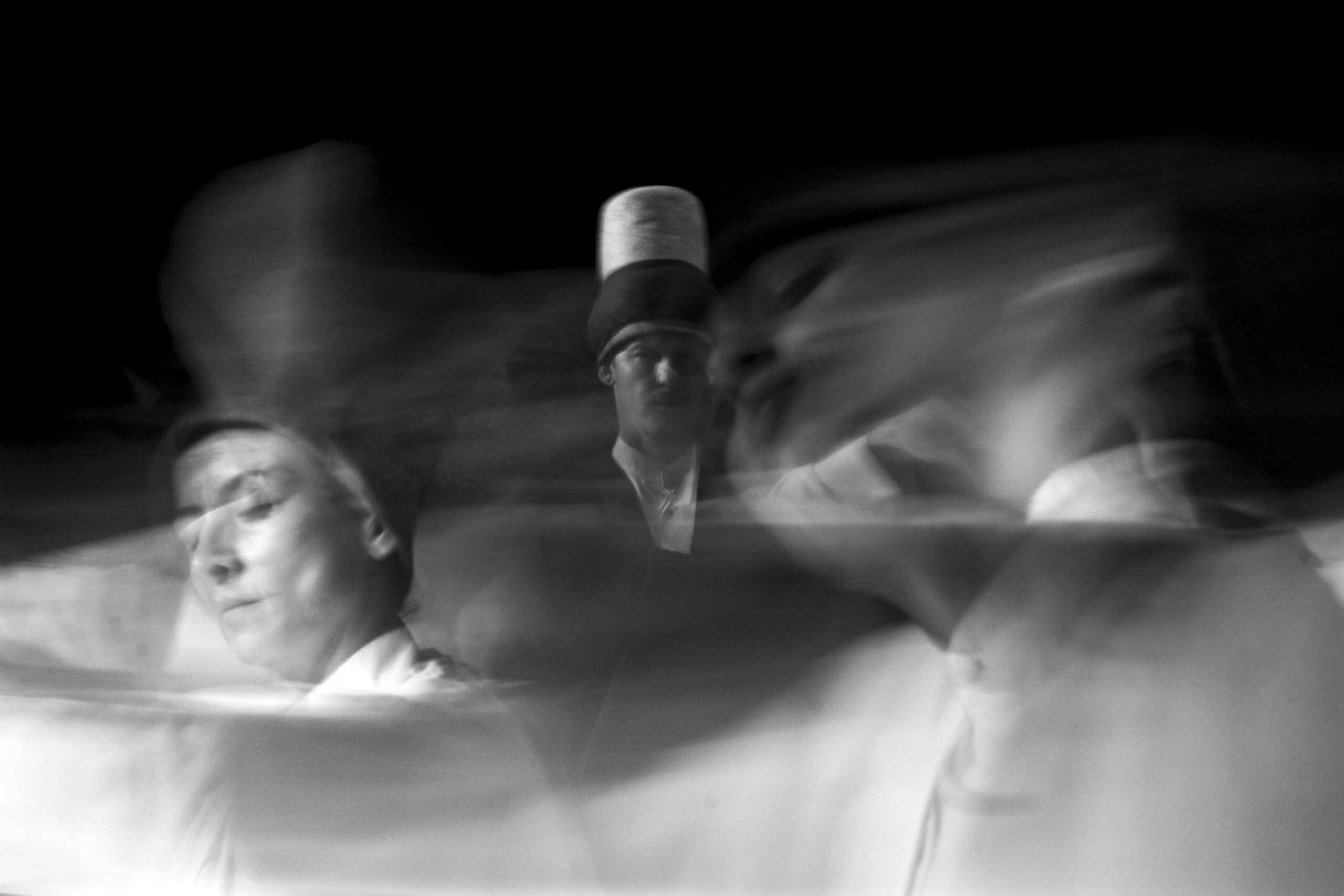
Movement meditation isn’t a modern invention. Throughout human history, cultures worldwide have recognized the profound connection between rhythmic motion and spiritual awakening. From Sufi whirling dervishes to Buddhist walking meditation, from African dance ceremonies to Tai Chi, humanity has long understood that movement can be prayer, can be meditation, can be a doorway to transcendence.
These practices emerged from a fundamental understanding: the body and mind aren’t separate entities but interconnected aspects of a unified whole. When we move with intention and awareness, we don’t just exercise our muscles—we shift our consciousness, release stored emotions, and open channels for energy to flow freely throughout our entire being.
Traditional yogic philosophy speaks of prana, the vital life force that animates all living things. Chinese medicine refers to qi, the essential energy flowing through meridian pathways in the body. When this energy becomes blocked or stagnant, we experience physical tension, emotional distress, and mental fog. Rhythmic movement meditation specifically addresses these blockages, restoring natural flow and balance.
The Science of Motion and Mindfulness 🧠
Modern neuroscience is now confirming what ancient practitioners intuitively knew. Research shows that rhythmic movement activates specific brain regions associated with emotional regulation, stress reduction, and heightened awareness. When we engage in repetitive, flowing motions with focused attention, our brainwave patterns shift from the beta waves of active thinking toward alpha and theta waves associated with relaxation and meditative states.
Studies have demonstrated that movement meditation practices can significantly reduce cortisol levels, the primary stress hormone. Regular practitioners report decreased anxiety, improved mood regulation, and enhanced overall well-being. The rhythmic nature of these movements appears to have a particularly calming effect on the nervous system, activating the parasympathetic response responsible for rest and restoration.
Furthermore, movement meditation stimulates the release of endorphins and other neurochemicals that promote feelings of euphoria and contentment. This natural chemistry explains why practitioners often describe experiences of bliss, expanded awareness, and profound inner peace during and after their practice.
💫 Core Principles of Rhythmic Movement Meditation
To truly harness the transformative power of rhythmic movement meditation, understanding its foundational principles is essential. These elements distinguish conscious, meditative movement from ordinary physical exercise.
Intentional Awareness
The cornerstone of any meditation practice is awareness. In rhythmic movement meditation, we bring full attention to each motion, sensation, and breath. This isn’t about perfecting choreography or achieving athletic goals—it’s about being completely present with whatever arises in the moment. We notice the quality of each movement, the feeling of air against skin, the subtle shifts in weight and balance.
Breath Synchronization
Breath serves as the bridge between body and mind. In rhythmic movement practices, we coordinate breathing with motion, creating a seamless flow. This synchronization naturally deepens both the physical experience and the meditative state. When movement and breath unite, the practice becomes effortless, almost as if the body is breathing itself into motion.
Repetition and Rhythm
The repetitive nature of rhythmic movements creates a trance-like quality that quiets the analytical mind. Like ocean waves or a heartbeat, these patterns have an inherently soothing effect. The rhythm becomes a focal point, much like a mantra in traditional meditation, allowing thoughts to settle and deeper awareness to emerge.
Non-Judgment and Acceptance
Approaching practice with curiosity rather than criticism is vital. There’s no “right” way to experience movement meditation—each person’s journey is unique. We cultivate an attitude of friendly observation, noting sensations and experiences without labeling them as good or bad, successful or failed.
Practical Forms of Rhythmic Movement Meditation 🌸
Numerous practices fall under the umbrella of rhythmic movement meditation. Each offers unique benefits while sharing the common thread of conscious, flowing motion.
Walking Meditation
Perhaps the most accessible form, walking meditation involves moving slowly and deliberately while maintaining full awareness of each step. Practitioners focus on the sensation of feet touching ground, the shifting of weight, the rhythm of breathing. This practice can be done anywhere—in nature, around your home, even in a small space.
Qigong and Tai Chi
These ancient Chinese practices combine slow, flowing movements with breath control and visualization. Qigong focuses on cultivating and circulating qi energy throughout the body, while Tai Chi incorporates martial arts forms performed in a meditative state. Both practices are renowned for their health benefits and stress-reducing effects.
Dance Meditation
Free-form or structured dance meditation allows for more spontaneous expression. Practices like 5Rhythms or Authentic Movement encourage participants to move intuitively, following the body’s wisdom without predetermined choreography. Music often accompanies these practices, adding another layer of rhythm and emotional engagement.
Yoga Flow
Vinyasa or flow yoga sequences link postures together in rhythmic patterns synchronized with breath. When practiced with meditative awareness rather than athletic ambition, yoga becomes a powerful movement meditation that builds strength and flexibility while cultivating inner stillness.
Swaying and Rocking
Simple swaying motions—side to side, forward and back, or circular movements—can induce deeply meditative states. These gentle motions are accessible to nearly everyone regardless of fitness level and can be practiced standing or seated.
🎯 Getting Started: Your First Practice Session
Beginning a rhythmic movement meditation practice requires minimal equipment or preparation. The most important ingredient is your willingness to experiment and explore.
Start by creating a conducive environment. Choose a space where you won’t be interrupted, with enough room to move comfortably. You might prefer soft lighting, perhaps a candle or dimmed lamps. Some practitioners enjoy background music with a steady rhythm, while others prefer silence or nature sounds.
Wear comfortable clothing that allows unrestricted movement. Remove shoes to better feel your connection with the ground. Set an intention for your practice—this might be as simple as “I’m here to explore” or “I welcome whatever arises.”
Begin with grounding. Stand with feet hip-width apart, knees slightly bent, and take several deep breaths. Feel the support of the earth beneath you. Notice areas of tension in your body without trying to change them.
Start with simple movements. You might begin by gently swaying side to side, allowing your arms to swing naturally. Or try slow weight shifts from one foot to the other. The specific movement matters less than your quality of attention. Move slowly enough that you can remain fully present with each sensation.
Synchronize breath with movement. Perhaps inhaling as you rise or expand, exhaling as you settle or contract. Let the breath guide the motion, finding a natural rhythm that feels effortless.
If your mind wanders—and it will—simply notice without judgment and return attention to sensation. The practice isn’t about achieving a blank mind but about repeatedly coming back to present moment awareness.
Start with just 5-10 minutes. As comfort and familiarity grow, gradually extend your practice time. Consistency matters more than duration—a brief daily practice yields more benefits than occasional lengthy sessions.
Deepening Your Practice: Advanced Techniques 🌟
As you become comfortable with basic rhythmic movement meditation, you can explore more nuanced dimensions of the practice.
Energy Awareness
Begin noticing subtle energetic sensations—warmth, tingling, pulsing, or flow. These sensations indicate life force moving through your body. You might visualize energy flowing with your movements, perhaps imagining light moving through specific pathways or chakras.
Emotional Release
Movement meditation can unlock stored emotions. If sadness, anger, or joy spontaneously arise during practice, allow these feelings to express through motion. The body often holds what the mind cannot process. Movement provides a safe container for emotional release and integration.
Expanding and Contracting
Explore the natural rhythm of expansion and contraction that governs all life—breathing, heartbeat, ocean tides. Alternate between movements that open and expand your body with those that draw inward and contract. This practice balances energy and cultivates awareness of life’s fundamental rhythms.
Silent Stillness Within Motion
Advanced practitioners discover a paradox: movement and stillness can coexist. While the body flows, something within remains perfectly still—the witnessing awareness that observes without attachment. This realization represents a profound shift in consciousness.
🌈 Benefits That Transform Your Life
Regular practice of rhythmic movement meditation yields far-reaching benefits that extend well beyond the practice session itself.
- Stress Reduction: The combination of physical activity and meditative awareness significantly lowers stress hormones while promoting relaxation responses.
- Enhanced Energy: Rather than depleting energy like intense exercise, mindful movement actually increases vitality by removing energetic blockages and improving circulation.
- Improved Emotional Balance: Regular practice develops emotional intelligence and resilience, helping you respond rather than react to life’s challenges.
- Better Sleep Quality: The relaxation and nervous system regulation achieved through movement meditation often translate to deeper, more restorative sleep.
- Increased Body Awareness: You develop intimate knowledge of your physical self, noticing subtle signals before they become problems.
- Creative Unblocking: The meditative state accessed through movement often sparks creativity and fresh perspectives on persistent problems.
- Spiritual Connection: Many practitioners report experiences of transcendence, unity consciousness, and connection to something greater than themselves.
Overcoming Common Challenges 💪
Like any worthwhile practice, rhythmic movement meditation presents challenges, especially for beginners.
Self-Consciousness: Many people feel awkward moving in unfamiliar ways. Remember that this practice is private and personal—there’s no audience to impress. With time, self-consciousness dissolves as you become absorbed in the experience.
Restless Mind: If your thoughts remain chaotic despite movement, try focusing more intensely on physical sensations or slowing your movements even further. Sometimes faster, more vigorous movement helps discharge excess mental energy before settling into gentler rhythms.
Physical Limitations: Movement meditation adapts to any body. If standing practices feel challenging, explore seated or lying-down variations. Even small movements—gentle head rotations, hand gestures, or foot flexing—can serve as meditative practice.
Inconsistent Practice: Building a habit takes time. Rather than aiming for perfection, commit to showing up regularly, even if only for a few minutes. Linking your practice to an existing routine helps establish consistency.
🎵 Creating Your Personal Practice Ritual
The most effective practice is one you’ll actually do. Customize your approach to fit your lifestyle, preferences, and needs.
Consider timing. Some people feel energized by morning movement meditation, starting their day with clarity and vitality. Others prefer evening practice to release accumulated stress and transition into rest. Experiment to discover what works best for you.
Create meaningful rituals around your practice. Perhaps light incense, play specific music, or perform a brief gratitude reflection before beginning. These cues signal to your mind and body that it’s time to shift into meditative awareness.
Keep a practice journal. After sessions, jot down observations, insights, or experiences. Over time, these notes reveal patterns and document your evolution.
Join a community if possible. While movement meditation is deeply personal, practicing with others can provide support, inspiration, and accountability. Look for local classes or online communities focused on mindful movement practices.
Integrating Serenity Into Daily Life 🌿
The ultimate goal isn’t achieving peace only during formal practice but carrying that quality of presence into everyday activities. Rhythmic movement meditation trains us to access inner stillness regardless of external circumstances.
Begin noticing opportunities for mindful movement throughout your day. Walking to your car, washing dishes, climbing stairs—these mundane activities become mini-meditations when performed with full awareness. This integration transforms life itself into continuous practice.
The peace and energy cultivated through rhythmic movement meditation ripple outward, affecting relationships, work, and overall life satisfaction. As you develop this inner resource, you become less reactive to stress, more present with loved ones, and more aligned with your authentic self.
This practice isn’t about escaping life but engaging with it more fully. From this place of inner balance, you respond to challenges with greater wisdom, appreciate beauty more deeply, and contribute to the world from a place of wholeness rather than depletion.
Your Journey to Flow and Serenity 🦋
Rhythmic movement meditation offers a accessible yet profound path to inner peace and renewed energy. By honoring the body’s innate wisdom and the mind’s capacity for awareness, this practice creates harmony between movement and stillness, activity and rest, effort and surrender.
Whether you explore walking meditation in nature, flow through yoga sequences, sway to music in your living room, or practice Qigong in the park, you’re participating in an ancient human tradition of finding the sacred through motion. Each practice session is both a homecoming to your essential self and an adventure into unexplored territory.
Begin today. Start simply. Move with awareness. Breathe consciously. Trust the process. The serenity you seek isn’t somewhere distant—it’s always available within, waiting to be discovered through the flowing gateway of mindful movement.
As you continue this journey, you’ll find that peace isn’t the absence of movement but rather a quality of being that can exist in any circumstance. Energy isn’t something to be forced or manufactured but naturally arises when we align with life’s inherent rhythms. Through rhythmic movement meditation, we don’t add something new to ourselves—we remove the obstacles that obscure the peace and vitality that have always been our birthright.
Step into the flow. Let movement become meditation. Unlock the inner serenity and boundless energy that await your discovery. Your transformation begins with a single conscious breath, a single intentional movement, a single moment of complete presence. Everything else unfolds naturally from there.