In a world buzzing with distractions, mastering your mind through focused attention meditation can transform how you think, feel, and experience life daily.

Our minds are constantly bombarded with information, notifications, thoughts, and worries. The average person experiences thousands of thoughts each day, many of them repetitive and negative. This mental chaos drains our energy, clouds our judgment, and leaves us feeling perpetually overwhelmed. But what if there was a simple, scientifically-backed practice that could cut through this noise and deliver genuine mental clarity, lasting calm, and laser-sharp concentration?
Focused attention meditation offers exactly that. Unlike passive relaxation techniques or vague mindfulness concepts, this specific meditation practice trains your brain to direct and sustain attention on a single object, thought, or sensation. The results are profound: reduced anxiety, enhanced cognitive performance, improved emotional regulation, and a sense of inner peace that permeates all aspects of life.
🧠 Understanding Focused Attention Meditation: The Science Behind Mental Mastery
Focused attention meditation, also known as concentrative meditation, is a contemplative practice where you deliberately direct your attention to a single point of focus. This could be your breath, a mantra, a visual object, a sound, or even a specific bodily sensation. When your mind wanders—which it inevitably will—you gently guide it back to your chosen anchor point.
This seemingly simple practice triggers remarkable changes in your brain. Neuroscientific research has shown that regular focused attention meditation increases gray matter density in regions associated with attention, emotional regulation, and self-awareness. Specifically, the anterior cingulate cortex and prefrontal cortex—areas critical for executive function and decision-making—show measurable improvements with consistent practice.
Studies published in journals like “Psychological Science” and “Frontiers in Human Neuroscience” have demonstrated that even brief periods of focused attention meditation can enhance working memory, reduce mind-wandering, and improve sustained attention spans. These aren’t abstract benefits; they translate directly into better performance at work, improved relationships, and greater overall life satisfaction.
The Attention Muscle: Why Your Focus Needs Training
Think of attention as a muscle. Just as your biceps grow stronger with targeted exercise, your capacity for sustained focus develops through deliberate practice. In our distraction-saturated environment, most people have allowed their attention muscle to atrophy. We’ve become accustomed to constant task-switching, superficial engagement, and fragmented thinking patterns.
Focused attention meditation provides the gym for your mind. Each session is a workout where you challenge your brain to maintain concentration despite inevitable distractions. Over time, this practice rewires neural pathways, making sustained focus progressively easier and more natural.
✨ Unlocking Clarity: How Focused Meditation Clears Mental Fog
Mental clarity is the ability to think clearly, make decisions confidently, and perceive situations accurately without emotional distortion or cognitive bias. It’s the difference between feeling confused and overwhelmed versus feeling composed and capable.
Focused attention meditation cultivates clarity by creating space between thoughts. When you train your mind to rest on a single point of focus, you develop the ability to observe thoughts without immediately reacting to them. This observational distance allows you to see your thinking patterns more objectively and recognize unhelpful mental habits.
Many practitioners report experiencing breakthrough moments of insight during or after meditation sessions. This happens because the practice quiets the constant mental chatter that normally drowns out deeper intuition and wisdom. When the surface noise settles, clearer perspectives naturally emerge.
Breaking Through Analysis Paralysis
One of the most common obstacles to clarity is overthinking. We analyze situations from every angle, consider countless scenarios, and become trapped in loops of indecision. Focused attention meditation addresses this directly by training your mind to settle on one thing at a time.
This single-pointed focus translates into better decision-making in daily life. Rather than ruminating endlessly about options, you develop the capacity to direct your full attention to the most relevant factors, process them efficiently, and reach conclusions with greater confidence.
🌊 Cultivating Calm: The Path to Lasting Inner Peace
True calm isn’t merely the absence of stress; it’s a deep-seated sense of equanimity that remains stable regardless of external circumstances. Focused attention meditation is one of the most effective paths to developing this unshakeable inner peace.
The practice works by activating the parasympathetic nervous system—your body’s natural relaxation response. As you concentrate on your chosen focal point, your breathing naturally deepens, heart rate slows, and stress hormones like cortisol decrease. Regular practice essentially retrains your nervous system to default to calmness rather than anxiety.
Research has shown that meditators exhibit lower baseline cortisol levels and reduced amygdala reactivity—meaning they experience less intense stress responses to challenging situations. This doesn’t make you emotionally numb; rather, it allows you to respond to life’s difficulties with composure rather than reactivity.
From Anxiety to Equanimity
Anxiety often stems from a mind that races uncontrollably toward worst-case scenarios. Focused attention meditation interrupts this pattern by anchoring awareness in the present moment. When you’re genuinely focused on the sensation of breathing or the repetition of a mantra, you cannot simultaneously be worried about future catastrophes.
Over time, this practice builds psychological resilience. You develop confidence in your ability to direct your attention intentionally, which diminishes the power that anxious thoughts hold over you. The mind becomes less like a wild horse dragging you toward panic and more like a well-trained companion responding to your guidance.
🎯 Sharpening Concentration: The Competitive Advantage
In the attention economy, concentration has become a rare and valuable commodity. The ability to focus deeply on demanding tasks for extended periods directly correlates with professional success, creative output, and personal accomplishment.
Focused attention meditation is essentially concentration training in its purest form. Each meditation session strengthens neural networks associated with sustained attention and impulse control. The prefrontal cortex—your brain’s executive control center—becomes more efficient at filtering distractions and maintaining focus on priority tasks.
Studies have found that just eight weeks of regular meditation practice can produce measurable improvements in attention span, cognitive flexibility, and information processing speed. These enhancements persist beyond meditation sessions, improving performance across all cognitively demanding activities.
The Flow State Connection
Flow—that optimal state of complete absorption where time seems to disappear and performance peaks—shares remarkable similarities with meditative states. Both involve intense focus, reduced self-consciousness, and a sense of effortless control.
Regular focused attention meditation makes flow states more accessible. By training your brain to enter concentrated states on command during meditation, you develop the neural pathways that facilitate flow in other activities. Athletes, artists, and professionals across fields increasingly recognize meditation as a gateway to peak performance.
🧘 Practical Foundations: How to Begin Your Practice
Starting a focused attention meditation practice requires nothing more than a commitment to regular practice and basic instruction. The technique is straightforward, though mastery develops gradually through consistent application.
Begin by selecting a specific time and place for daily practice. Consistency matters more than duration, especially when beginning. Even five to ten minutes daily produces benefits that sporadic longer sessions cannot match. Morning practice often works well because your mind is naturally quieter before the day’s concerns accumulate.
Choose a focal point that resonates with you. The breath is the most common anchor because it’s always available and naturally calming. Alternatively, you might focus on a mantra (a repeated word or phrase), a visual object like a candle flame, or a specific bodily sensation.
The Basic Technique
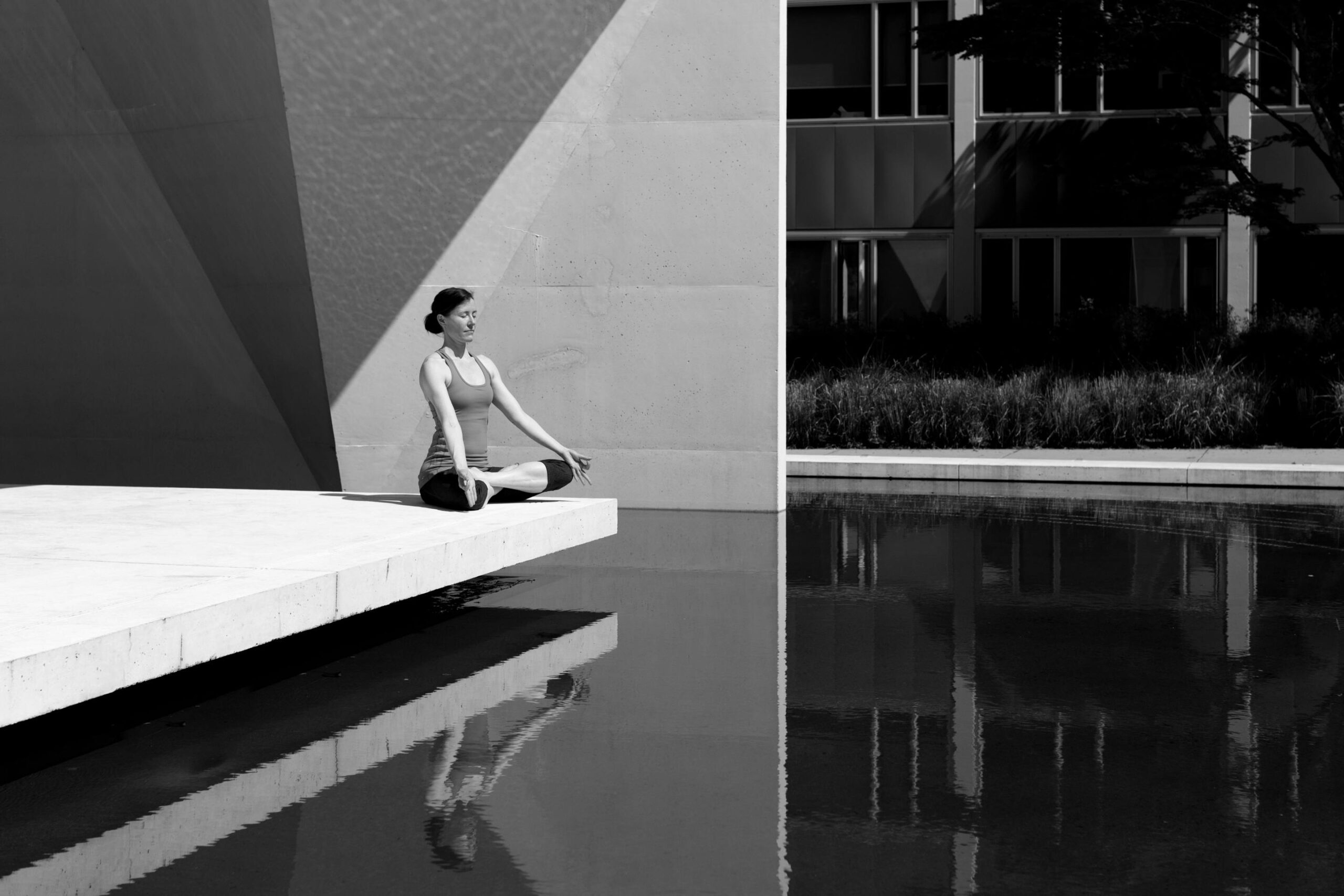
- Assume a comfortable, alert posture: Sit upright in a chair or on a cushion with your spine straight but not rigid. This position promotes alertness while allowing relaxation.
- Close your eyes or maintain a soft downward gaze: This minimizes visual distractions and turns attention inward.
- Direct your attention to your chosen focal point: If using the breath, notice the sensation of air entering and leaving your nostrils, or the rise and fall of your chest or abdomen.
- Maintain focus with gentle persistence: Your mind will wander repeatedly—this is completely normal. When you notice distraction, simply acknowledge it without judgment and return attention to your anchor.
- Continue this process for your designated time: Set a timer so you’re not checking the clock, and persist through the entire session regardless of how it feels.
Guided Support for Beginners
Many people find guided meditation helpful when starting. Apps and audio recordings provide structure, instruction, and encouragement during the learning phase. These tools can be particularly valuable for establishing consistency and understanding proper technique.
As your practice matures, you may naturally transition to unguided sessions where you direct your own attention without external prompts. Both approaches have value at different stages of development.
💪 Overcoming Common Obstacles
Every meditator encounters challenges. Understanding these common obstacles and having strategies to address them significantly increases the likelihood of maintaining a consistent practice.
The Wandering Mind Myth
New meditators often become discouraged when they discover how frequently their minds wander. They interpret this as failure or proof that meditation “doesn’t work” for them. This is a fundamental misunderstanding of the practice.
Mind-wandering isn’t a problem to be eliminated; it’s the training ground where focus is developed. Each time you notice distraction and return attention to your focal point, you’re strengthening concentration—like doing a repetition in the gym. A session with hundreds of these returns is actually more beneficial than one where the mind remained effortlessly focused.
Physical Discomfort
Bodily discomfort often arises during meditation, especially for beginners. Your back might ache, legs feel numb, or you experience restlessness. These sensations can become overwhelming distractions if not addressed properly.
First, ensure your posture is sustainable. You don’t need to sit in full lotus position; a chair works perfectly well. Second, distinguish between discomfort requiring adjustment and discomfort that can be observed with equanimity. Sometimes the most valuable practice involves maintaining focus despite minor discomfort, building tolerance and discipline.
Expecting Immediate Results
Our culture conditions us to expect instant gratification. Meditation requires patience and persistence. While some benefits emerge quickly—many people notice increased calm after just a few sessions—deeper transformation unfolds gradually over weeks and months.
Approach practice with the long view. Commit to daily meditation for at least eight weeks before evaluating results. Track subjective changes in stress levels, focus capacity, and emotional balance rather than seeking dramatic enlightenment experiences.
🌟 Advanced Dimensions: Deepening Your Practice
As your foundational practice stabilizes, opportunities for depth and refinement emerge. Advanced focused attention meditation involves increasingly subtle aspects of concentration and awareness.
One progression involves extending session duration. While beginners might start with five to ten minutes, intermediate practitioners often settle into twenty to thirty-minute sessions, and advanced meditators may practice for an hour or more. Longer sessions allow concentration to deepen beyond surface-level focus into absorbed states called jhanas in Buddhist terminology.
Another dimension involves refining the focus object. Rather than simply noticing breathing, you might concentrate on increasingly subtle aspects—the precise sensation at the nostrils, the pause between breaths, or the quality of each inhalation and exhalation. This refinement cultivates exceptionally precise attention.
Integration Beyond the Cushion
The ultimate measure of meditation success isn’t how calm you feel during practice but how it transforms your daily life. Advanced practice involves carrying focused attention into everyday activities.
This might mean bringing complete attention to mundane tasks like washing dishes, eating, or walking. It could involve applying trained concentration to professional work, creating unprecedented productivity and creativity. The goal is making focused awareness your default mode rather than something accessed only during formal meditation.
📊 Measuring Progress: Tracking Your Transformation
While meditation emphasizes non-striving and acceptance, tracking progress can provide motivation and reveal patterns in your development. Consider monitoring these indicators:
| Metric | How to Assess | Expected Timeline |
|---|---|---|
| Consistency | Percentage of days practiced | Immediate tracking |
| Session Duration | Average minutes per session | Gradual increase over months |
| Mind-Wandering Frequency | Estimated distractions per session | Decreases over 4-8 weeks |
| Subjective Calm | Pre/post-session rating (1-10 scale) | Improvements within weeks |
| Daily Focus Quality | Work productivity, task completion | Noticeable by week 6-8 |
Beyond quantitative measures, pay attention to qualitative shifts: Do you respond more calmly to stressful situations? Can you concentrate on demanding tasks longer? Do you experience greater clarity when making decisions? These subjective improvements often prove more meaningful than any measurable metric.
🔄 Building Sustainable Momentum
Long-term success with focused attention meditation depends on creating sustainable habits rather than relying on motivation alone. Motivation fluctuates; systems persist.
Establish a non-negotiable meditation appointment with yourself. Treat it with the same respect you’d give an important meeting. Place visual reminders in strategic locations. Consider using habit-stacking—meditating immediately after an established routine like morning coffee or before bed.
Connect with a community of practitioners when possible. Whether through local meditation groups, online forums, or apps with social features, community support dramatically increases adherence. Knowing others share your commitment provides accountability and inspiration during difficult periods.
Finally, approach your practice with compassion rather than rigid perfectionism. Missing sessions occasionally doesn’t negate progress. What matters is returning to practice consistently over months and years, allowing the cumulative effects to transform your mind and life.
🚀 The Transformation Awaits
Mastering your mind through focused attention meditation isn’t about achieving some distant enlightenment or becoming a different person. It’s about fully inhabiting yourself—experiencing clarity instead of confusion, calm instead of agitation, and concentration instead of distraction.
The practice offers no quick fixes or magic solutions. What it does provide is a proven method for developing mental capacities that serve you in every life domain. Each session strengthens your attention, deepens your self-awareness, and builds psychological resilience. Over time, these incremental improvements compound into profound transformation.
Your mind is your most valuable asset, yet most people never deliberately train it. Focused attention meditation provides that training. The clarity, calm, and concentration you seek aren’t found somewhere outside yourself—they’re developed through patient, consistent practice. The question isn’t whether this approach works; thousands of studies and millions of practitioners confirm its effectiveness. The only question is whether you’ll commit to the practice and discover these benefits firsthand.
Start today. Not tomorrow, not next week, but right now. Sit comfortably, close your eyes, bring attention to your breath, and begin mastering your mind. The transformation awaits, one focused breath at a time. 🧘♀️