Modern life bombards us with constant demands, leaving our bodies tense and minds racing. Progressive muscle relaxation offers a scientifically-proven pathway to release accumulated stress and restore inner peace.

🧘 Understanding the Mind-Body Connection in Stress
Stress doesn’t exist solely in your mind—it manifests physically throughout your entire body. When you encounter stressful situations, your muscles naturally tighten as part of the ancient fight-or-flight response. This physiological reaction, while helpful for our ancestors facing immediate physical threats, becomes problematic when triggered repeatedly by modern stressors like work deadlines, financial concerns, or relationship challenges.
Your shoulders creep upward, your jaw clenches involuntarily, and your neck stiffens without conscious awareness. Over time, this chronic muscle tension becomes so familiar that you stop noticing it altogether. The persistent tightness restricts blood flow, impairs lymphatic drainage, and sends continuous stress signals back to your brain, creating a vicious cycle that perpetuates anxiety and physical discomfort.
Progressive muscle relaxation (PMR) interrupts this destructive pattern by teaching you to systematically identify, tense, and release muscle groups throughout your body. Developed by physician Edmund Jacobson in the 1920s, this technique leverages the natural connection between physical relaxation and mental calmness. When your muscles genuinely relax, your nervous system receives clear signals that danger has passed, allowing your mind to follow suit.
The Science Behind Progressive Muscle Release
Research consistently demonstrates that progressive muscle relaxation produces measurable physiological changes. Studies show that regular practice lowers cortisol levels, reduces blood pressure, decreases heart rate variability, and improves sleep quality. Brain imaging reveals that PMR activates the parasympathetic nervous system—your body’s natural relaxation response—while quieting the sympathetic nervous system responsible for stress reactions.
The technique works through a principle called proprioceptive awareness—your ability to sense the position and tension levels of your muscles. Most people have poor proprioceptive awareness, especially regarding subtle muscle tension. By deliberately tensing muscles before releasing them, you create a stark contrast that makes relaxation more noticeable and achievable.
Neuroscientific research indicates that PMR also enhances activity in brain regions associated with emotional regulation and body awareness. Regular practitioners develop greater interoceptive sensitivity, meaning they become better at recognizing stress signals early, before tension escalates into pain or anxiety attacks.
✨ Preparing Your Space for Deep Relaxation
Creating an appropriate environment significantly enhances your progressive muscle relaxation practice. Choose a quiet location where you won’t be interrupted for at least 15-20 minutes. Dim the lights or close curtains to reduce visual stimulation. The room temperature should be comfortably warm, as cold environments make muscles naturally contract.
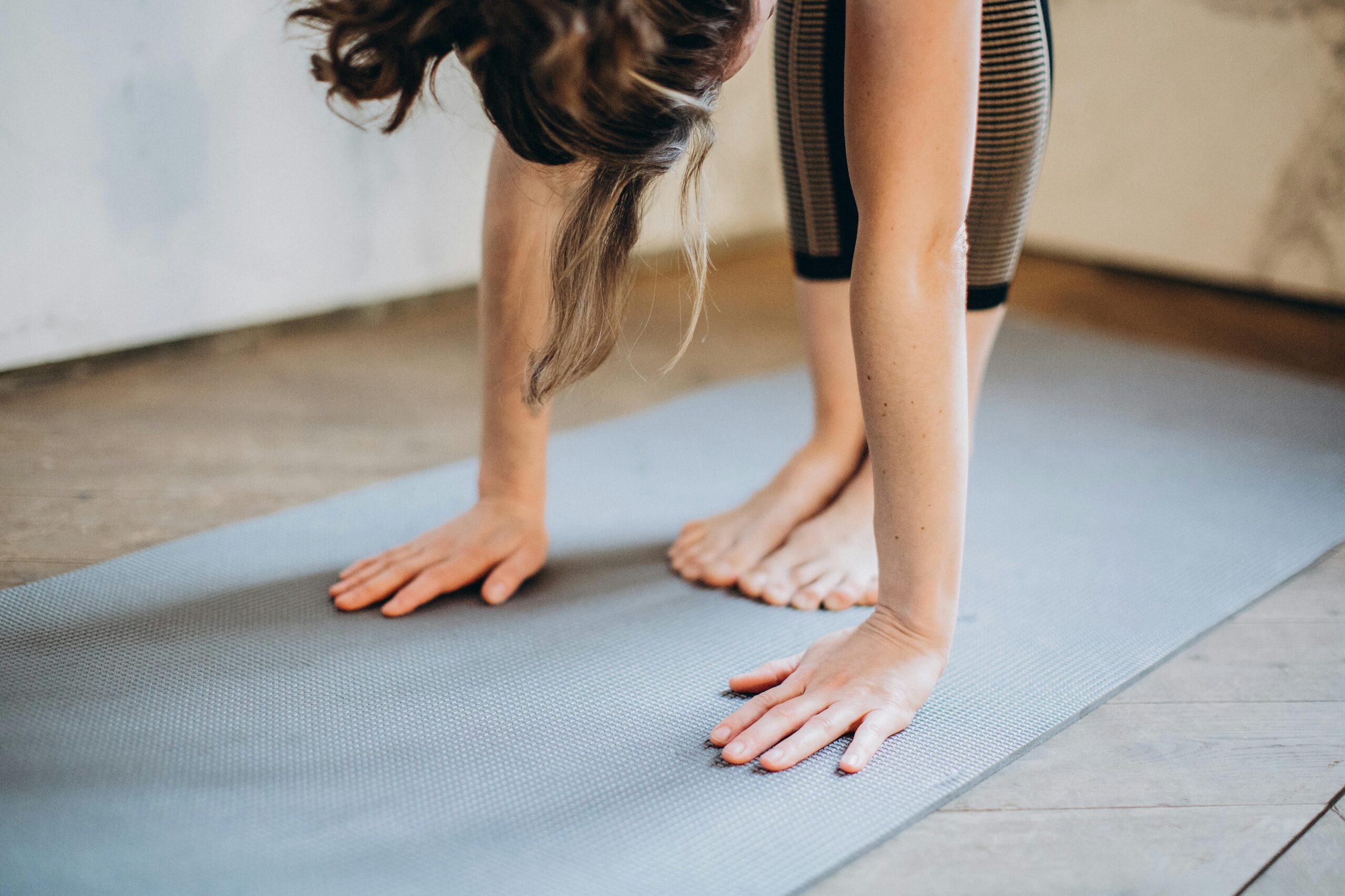
Wear loose, comfortable clothing that doesn’t restrict movement or create pressure points. Remove shoes, glasses, and jewelry. Consider lying on a yoga mat, carpet, or bed—somewhere supportive yet comfortable. Some practitioners prefer sitting in a recliner with good neck and back support.
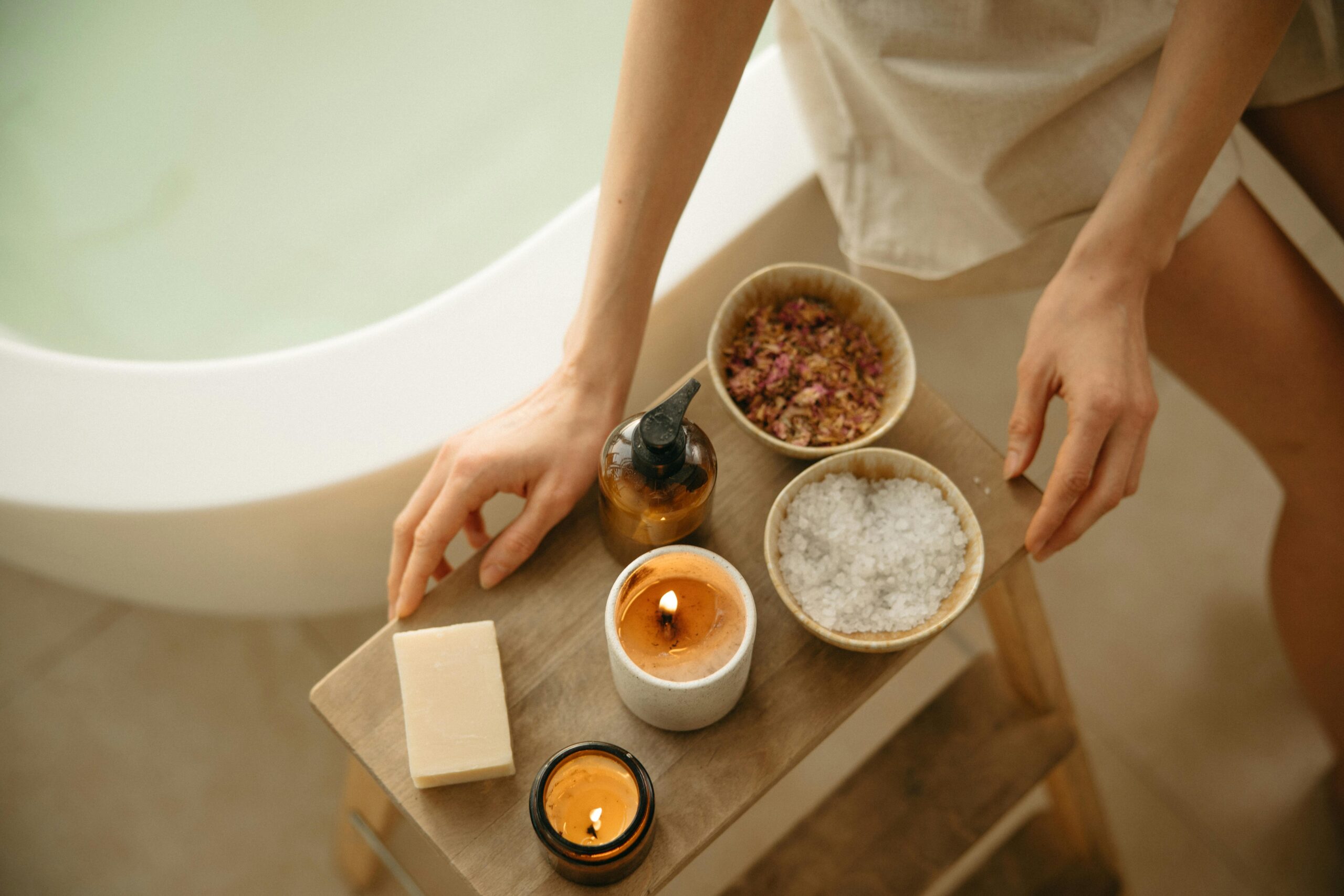
You might enhance the atmosphere with calming background sounds like gentle nature recordings, white noise, or soft instrumental music. However, silence works equally well if you find it more conducive to concentration. Avoid stimulating scents, but subtle lavender or chamomile aromatherapy can complement the practice if you enjoy it.
🎯 Step-by-Step Progressive Muscle Relaxation Technique
Begin by lying on your back with arms at your sides, palms facing upward, and legs slightly apart. Close your eyes and take several slow, deep breaths, allowing your abdomen to rise with each inhalation. Notice your current physical state without judgment—simply observe where you hold tension.
Starting With Your Hands and Arms
Make tight fists with both hands, squeezing as firmly as comfortable for 5-7 seconds while keeping the rest of your body relaxed. Notice the tension in your hands, fingers, and forearms. Then suddenly release, letting your hands open completely. Feel the wave of relaxation flooding through your fingers and palms. Observe this sensation for 10-15 seconds, noting the difference between tension and relaxation.
Next, bend your elbows and tense your biceps, creating a classic strongman pose. Hold the contraction for 5-7 seconds, then release. Let your arms drop gently back to the starting position. Feel the heaviness and warmth that accompanies deep muscle relaxation.
Releasing Shoulder and Neck Tension
Raise your shoulders toward your ears, creating significant tension across your upper back and neck. This area stores tremendous stress for most people. Hold firmly for 5-7 seconds, then let your shoulders drop suddenly. Feel them settle into a lower, more natural position. Breathe deeply and notice the spaciousness in your neck and shoulder region.
Many people carry chronic tension here without realizing it. The contrast you’ve just created helps your nervous system remember what true relaxation feels like in these critical muscle groups.
Facial Relaxation Sequence
Wrinkle your forehead by raising your eyebrows as high as possible. Hold for 5-7 seconds, then smooth your brow completely. Feel the skin of your forehead becoming soft and smooth. Next, squeeze your eyes tightly shut while wrinkling your nose. Hold, then release, allowing your face to become expressionless and soft.
Create a exaggerated smile, pulling your mouth wide while clenching your teeth. This tenses your jaw, cheeks, and mouth area. Hold briefly, then release, letting your jaw drop slightly open. Your tongue should rest gently against the roof of your mouth without pressure.
Core and Back Muscles
Pull your shoulder blades together behind you, arching your back slightly. This creates tension through your middle and upper back. Hold for 5-7 seconds, then release, allowing your back to sink into the supporting surface. Feel the muscles spreading and settling.
Tighten your abdominal muscles by pulling your navel toward your spine, as if preparing for a punch to the stomach. Hold the contraction, then release completely. Notice how your breathing deepens naturally when your core muscles relax.
Lower Body Relaxation
Tense your buttocks and thighs by pressing your legs together and tightening all muscles from hips to knees. Hold firmly for 5-7 seconds, then release. Feel the large muscle groups softening and spreading across the surface beneath you.
Point your toes downward, away from your body, creating tension through your calves. Hold, then release. Finally, flex your feet, pulling your toes toward your shins to tense your shins and feet. Hold for 5-7 seconds, then let your feet fall naturally to a relaxed position.
💫 Enhancing Your Practice With Visualization
Once you’ve completed the physical tension-release sequence, spend several minutes in stillness. Imagine a warm, golden light slowly descending from the crown of your head, gradually moving through your entire body. As this healing light passes through each area you’ve relaxed, visualize remaining tension melting away like ice in sunshine.
Alternatively, picture yourself in a peaceful natural setting—perhaps lying on warm sand beside gentle ocean waves, or resting in a meadow with soft grass beneath you. Engage all your senses in this visualization: hear the sounds, smell the scents, feel the temperature and textures. This mental imagery deepens the relaxation response and extends its benefits.
Some practitioners find body scanning helpful after completing PMR. Mentally travel through your body from head to toe, simply noticing sensations without trying to change anything. This develops mindful awareness and helps you recognize when tension begins accumulating in daily life.
🌟 Common Challenges and Practical Solutions
Many beginners struggle with racing thoughts during relaxation practice. This is completely normal and doesn’t indicate failure. When you notice your mind wandering, simply acknowledge the thoughts without judgment and gently redirect attention to the physical sensations in your body. With practice, mental focus strengthens naturally.
Some people experience muscle cramps when tensing certain areas, particularly feet and calves. If this occurs, reduce the intensity of contraction. The goal isn’t maximum tension, but rather creating enough contrast to recognize relaxation. Even moderate tensing produces excellent results.
Falling asleep during practice is common, especially when practicing before bed. While this demonstrates effective relaxation, try practicing at different times if you want to experience the complete sequence consciously. Morning or midday sessions often provide alertness benefits rather than sedation.
If certain body areas won’t relax despite your best efforts, they may harbor chronic tension requiring additional attention. Consider complementing PMR with gentle stretching, massage, or consultation with healthcare professionals for persistent problem areas.
📱 Technology-Assisted Progressive Muscle Relaxation
Numerous applications provide guided progressive muscle relaxation sessions, perfect for beginners learning the technique or experienced practitioners wanting structured guidance. These apps often include customizable session lengths, background sounds, and progress tracking features.
While technology offers convenience and structure, remember that the fundamental practice requires no equipment whatsoever. Your body and awareness are the only tools truly necessary. Apps serve as training wheels—useful initially but not permanently essential.
🔄 Integrating PMR Into Daily Life
Progressive muscle relaxation delivers maximum benefits through consistent practice. Most experts recommend daily sessions of 15-20 minutes, ideally at the same time each day to establish habit. Many people practice upon waking to start the day calm and centered, or before bed to improve sleep quality.
However, abbreviated versions prove valuable during stressful moments throughout your day. When you notice tension building—during a difficult meeting, in traffic, or before an important event—you can quickly tense and release specific muscle groups. Even 30 seconds of focused shoulder or hand relaxation can significantly reduce acute stress.
Create environmental cues to remind yourself to check body tension. Perhaps every time your phone rings, you take one conscious breath and scan for shoulder tension. When sitting at red lights, release your jaw and soften your grip on the steering wheel. These micro-practices compound into substantial stress reduction.
🌈 The Ripple Effects of Regular Practice
Consistent progressive muscle relaxation practice produces benefits that extend far beyond the practice sessions themselves. Many practitioners report improved sleep quality, with faster sleep onset and fewer nighttime awakenings. The technique proves particularly effective for tension headaches, as it addresses the muscle tightness that triggers many headache types.
Chronic pain sufferers often experience reduced pain intensity and improved pain management. While PMR doesn’t cure underlying conditions, it reduces the muscle guarding and tension that amplify pain signals. This creates a more manageable relationship with discomfort.
Anxiety and stress levels decrease measurably with regular practice. You develop an embodied sense of calm that becomes increasingly accessible even during challenging circumstances. This isn’t about eliminating stress from life—that’s impossible—but rather transforming your physiological and psychological relationship with stressors.
Many people notice improved emotional regulation. The same awareness that helps you recognize physical tension allows earlier detection of emotional stress. You catch frustration, anxiety, or overwhelm in their early stages, when they’re easier to address effectively.
Beyond Basics: Advancing Your Relaxation Journey
Once you’ve mastered standard progressive muscle relaxation, consider exploring variations that deepen your practice. Differential relaxation involves learning to relax non-essential muscles while keeping necessary ones engaged—for example, relaxing your shoulders and face while typing, or softening your jaw while walking.
Conditioned relaxation pairs a cue word or phrase with the relaxed state achieved through PMR. After consistently practicing full relaxation while mentally repeating a word like “calm” or “peace,” eventually the word alone can trigger a relaxation response. This creates a powerful tool for managing stress in real-time situations.
Combining progressive muscle relaxation with other practices amplifies benefits. Many people pair it with meditation, breathwork, gentle yoga, or tai chi. These complementary practices address different aspects of the stress response, creating comprehensive resilience.
🎁 Transforming Stress Into Your Greatest Teacher
Progressive muscle relaxation offers more than temporary stress relief—it provides a fundamentally different way of inhabiting your body. Rather than being victimized by stress, you develop agency in your response to it. Tension becomes information rather than torment, signaling when you need to pause and restore balance.
This practice reconnects you with your body’s inherent wisdom. In our head-centered culture, we often ignore physical signals until they escalate into undeniable problems. PMR rebuilds the communication pathway between body and mind, allowing earlier intervention and greater overall wellbeing.
The technique also cultivates patience and self-compassion. Progress isn’t always linear—some sessions feel deeply relaxing while others seem frustratingly ineffective. Learning to accept this variability without harsh self-judgment is itself therapeutic, extending beyond the practice into broader life attitudes.
As you continue your progressive muscle relaxation journey, remember that transformation happens gradually. Each practice session creates subtle shifts in your nervous system, muscle memory, and stress response patterns. Over weeks and months, these small changes accumulate into profound differences in how you experience daily life. The path from stress to serenity isn’t about reaching a permanent destination, but rather developing reliable tools for navigating life’s inevitable challenges with greater ease, resilience, and inner peace. Your body already knows how to relax—progressive muscle relaxation simply helps you remember and access this natural capacity whenever you need it most.