Water has always been a universal symbol of tranquility, renewal, and emotional cleansing. By incorporating water meditation into your daily routine, you can unlock profound inner peace and spiritual transformation.

🌊 The Ancient Wisdom Behind Water Meditation
Throughout human history, water has held sacred significance across countless cultures and spiritual traditions. From the holy rivers of India to the purification rituals of Japan, water represents the flow of life itself. Ancient practitioners recognized that water possesses unique qualities that can profoundly affect our mental and emotional states.
Water meditation taps into this timeless wisdom by using the natural properties of water to guide us toward deeper states of consciousness. Whether you’re listening to the gentle lapping of waves, observing the rhythmic flow of a stream, or simply focusing on the sensation of water touching your skin, these practices create powerful pathways to inner stillness.
The concept isn’t merely spiritual folklore. Modern neuroscience has discovered that water sounds activate specific patterns in our brain associated with relaxation and meditative states. The consistent, non-threatening nature of water sounds helps our nervous system shift from sympathetic (stress) to parasympathetic (rest) activation.
Understanding the Science of Soothing Water Sounds 🧠
When we listen to water sounds, something remarkable happens in our brain. These natural acoustics trigger the release of neurotransmitters associated with relaxation and well-being, including serotonin and dopamine. The brain interprets these sounds as non-threatening, allowing our guard to drop and our mind to enter a more receptive state.
Research published in the Journal of Environmental Psychology demonstrates that exposure to natural water environments significantly reduces cortisol levels, the primary stress hormone in our bodies. This physiological response isn’t just about feeling calmer; it creates measurable changes in heart rate variability, blood pressure, and immune function.
Water sounds also create what scientists call “acoustic masking.” This phenomenon occurs when pleasant natural sounds cover up more jarring environmental noises that might otherwise interrupt our meditation or sleep. The consistent frequency patterns of flowing water provide an auditory blanket that helps our mind maintain focus and depth during contemplative practices.
The Frequency Factor
Water produces sounds across a spectrum of frequencies, with many falling into what’s known as “pink noise.” Unlike white noise, which contains all frequencies at equal intensity, pink noise has more power in lower frequencies. This creates a more balanced, natural sound that many people find more soothing and conducive to deep relaxation than artificial alternatives.
🧘 Practical Water Meditation Techniques You Can Start Today
Beginning a water meditation practice doesn’t require expensive equipment or exotic locations. You can start with simple techniques that fit seamlessly into your existing routine and gradually expand your practice as you become more comfortable with the methods.
Visual Water Meditation
Find a place where you can observe water in motion—a fountain, stream, pond, or even rain against a window. Sit comfortably and allow your gaze to soften as you watch the water’s movement. Notice how light plays across the surface, how ripples form and dissolve, how the water flows continuously yet never repeats exactly the same pattern.
This technique trains your mind to embrace both constancy and change. Water is always water, yet always moving, always transforming. As you observe this paradox, your own thoughts can begin to flow more freely, without getting stuck on particular worries or preoccupations.
Auditory Water Meditation
Close your eyes and focus entirely on water sounds. This might be actual water from nature, or high-quality recordings designed for meditation. Listen with your full attention, distinguishing between different tones and rhythms within what might initially seem like a single sound.
Try to hear the individual droplets, the variations in intensity, the subtle shifts in pitch. When your mind wanders—and it will—gently return your attention to the water sounds without judgment. This practice strengthens your concentration while simultaneously deepening your relaxation.
Kinesthetic Water Meditation
Physical contact with water adds another dimension to your practice. During a shower or bath, slow down and bring mindful awareness to every sensation. Feel the temperature of the water against your skin. Notice the pressure, the flow patterns, the way water moves across your body.
You can also practice washing your hands as a brief meditation. Turn this mundane activity into a ritual of presence by fully experiencing the water’s temperature, the texture of soap, and the sensation of cleanliness. These micro-meditations throughout your day create cumulative benefits for your mental clarity and emotional balance.
💧 Creating Your Personal Water Meditation Space
While you can practice water meditation anywhere, having a dedicated space enhances your experience and helps establish a consistent routine. This doesn’t mean you need to install an elaborate indoor waterfall—even small touches can transform an ordinary room into a sanctuary of serenity.
Consider adding a small tabletop fountain to your meditation corner. The gentle sound of trickling water creates an ambient backdrop that signals to your mind and body that it’s time to shift into a more peaceful state. Choose one with adjustable flow so you can customize the sound intensity to match your mood and meditation goals.
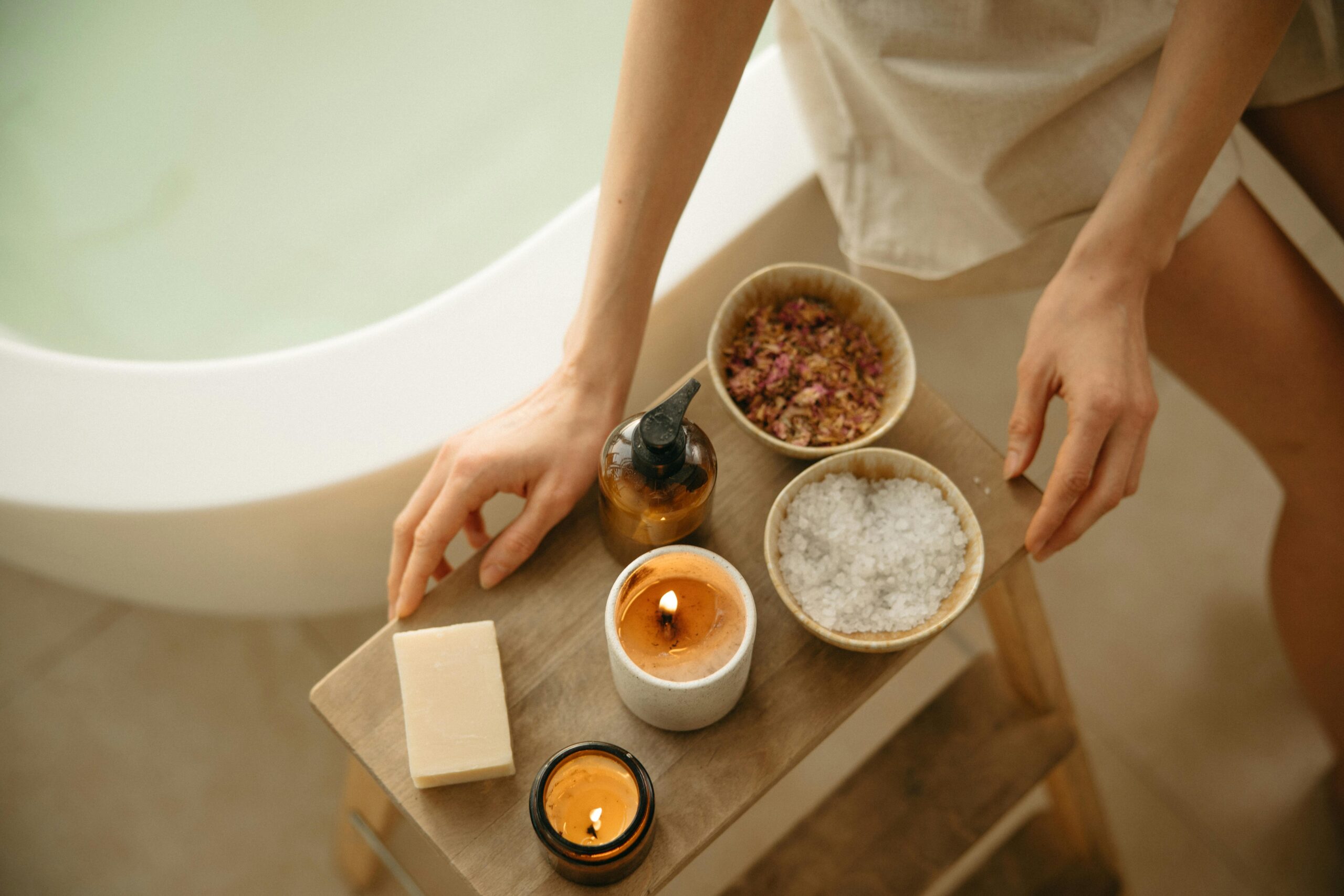
If a fountain isn’t practical, a simple bowl of water can serve as a visual focal point. You might float a candle on the surface or add flower petals to enhance the aesthetic appeal. The key is creating a visual reminder of water’s peaceful qualities that draws your attention inward.
Lighting and Atmosphere
Soft, natural lighting works best for water meditation. If you’re meditating near a window, the way natural light interacts with water creates beautiful, shifting patterns that can deepen your practice. For evening sessions, consider candles or dimmable lamps that cast gentle reflections on water surfaces.
Temperature also matters. Your space should be comfortable enough that physical discomfort doesn’t distract from your meditation. Since water meditation often evokes feelings of coolness, you might want to have a light blanket nearby if you tend to feel chilled during relaxation practices.
🌟 The Emotional Healing Properties of Water Meditation
Water meditation offers particular benefits for emotional processing and healing. Water’s fluid nature mirrors the emotional realm—always moving, responding to external conditions, capable of wearing away even the hardest obstacles over time. This symbolic resonance makes water an ideal focus for those working through difficult feelings or past trauma.
Many practitioners report that water meditation helps them access emotions that have been locked away or suppressed. The non-judgmental, flowing quality of water creates a safe container for these feelings to surface and be acknowledged. Unlike more analytical forms of therapy, water meditation allows emotions to simply be felt and released without extensive verbal processing.
The practice also teaches emotional fluidity—the ability to feel deeply without becoming stuck in any particular emotional state. Just as water flows around obstacles rather than fighting against them, water meditation cultivates a similar approach to challenging emotions. You learn to let feelings move through you rather than resisting them or becoming overwhelmed by them.
Water as a Mirror for Self-Reflection
Still water has been used as a metaphor for the clear, reflective mind across spiritual traditions. When water is agitated, it cannot reflect clearly. Similarly, when our minds are turbulent with thoughts, worries, and distractions, we cannot see ourselves or our circumstances with clarity.
Through regular water meditation, you develop the ability to find stillness even amidst life’s inevitable turbulence. This doesn’t mean you become emotionless or detached; rather, you cultivate a deeper awareness that allows you to respond to challenges with wisdom rather than reactive patterns.
🔄 Integrating Water Meditation Into Your Daily Routine
The true power of any meditation practice emerges through consistency. Rather than attempting hour-long sessions that feel overwhelming, start with brief water meditation moments scattered throughout your day. These small practices accumulate significant benefits over time.
Morning practice sets a peaceful tone for your entire day. Spend five minutes observing water as it fills your coffee maker or teapot. Listen to the sounds, watch the steam rise, notice the transformation from cold to hot. This simple ritual becomes a meditation that grounds you before the day’s demands begin.
During work breaks, find water sounds through apps or online recordings. Even three minutes of focused listening can reset your nervous system and restore mental clarity. This is particularly valuable if you work in stressful environments or spend extended periods in front of screens.
Evening water meditation helps transition from the active energy of daytime to the restorative state needed for quality sleep. A warm bath with mindful attention to water sensations can be profoundly relaxing. Alternatively, listening to water sounds as you prepare for bed signals to your body that it’s time to release the day’s tensions.
Seasonal Variations in Practice
Water meditation naturally adapts to different seasons, each offering unique qualities to explore. Spring rain brings renewal and growth energy. Summer offers opportunities to meditate near lakes, oceans, or swimming pools. Autumn rain carries a more contemplative, inward quality. Winter presents the transformation of water into ice and snow, teaching lessons about stillness and patience.
By attuning your practice to seasonal water expressions, you deepen your connection to natural cycles and rhythms. This awareness extends beyond meditation, helping you feel more grounded and connected to the larger patterns of life.
🎯 Overcoming Common Challenges in Water Meditation
Like any meditation practice, water meditation comes with challenges, especially for beginners. Understanding these obstacles helps you navigate them with patience and skill rather than frustration.
Many people struggle with a restless mind that won’t settle even with soothing water sounds. This is completely normal and not a sign of failure. Rather than fighting scattered thoughts, acknowledge them gently and return your attention to the water. Each time you notice your mind wandering and bring it back, you’re strengthening your meditation muscle.
Some practitioners find water sounds actually increase their need to use the bathroom, which can interrupt longer meditation sessions. This physiological response typically diminishes as your body adjusts to regular practice. In the meantime, simply make a bathroom visit part of your pre-meditation routine.
When Water Sounds Feel Irritating
Occasionally, practitioners report that water sounds feel irritating rather than soothing. This often indicates high stress levels or emotional resistance. Rather than abandoning the practice, try shorter sessions with lower volume. You might also explore different types of water sounds—perhaps gentle rain resonates better for you than ocean waves, or vice versa.
If irritation persists, it may be worth examining what water represents in your personal history. Negative associations with water (from difficult swimming experiences, for example) can create subconscious resistance. Acknowledging these associations with compassion, perhaps with support from a therapist, can help you work through them.
💫 Advanced Water Meditation Practices
As your practice deepens, you might explore more advanced techniques that expand the benefits of water meditation. These approaches require greater concentration and familiarity with basic practices, but they offer profound opportunities for spiritual development and psychological insight.
Visualization meditation combining imagery with water sounds creates powerful transformative experiences. Imagine yourself as water—flowing through obstacles, nourishing everything you touch, adapting to every container without losing your essential nature. This practice cultivates flexibility and resilience in your approach to life’s challenges.
Another advanced technique involves meditating on water’s complete cycle—evaporation, condensation, precipitation, collection, and flow. This reminds us that nothing is truly lost; everything transforms and returns in new forms. For those processing grief or major life transitions, this cyclical perspective can provide comfort and hope.
Group Water Meditation
Practicing water meditation in groups amplifies the experience through collective energy and shared intention. Whether gathering at a beach, lake, or fountain, or simply listening to water sounds together in a meditation room, group practice creates a sense of community and mutual support.
Group sessions might include synchronized breathing with water sounds, creating a rhythmic unity among participants. Or you might practice silent meditation followed by sharing insights and experiences, learning from each other’s perspectives on water’s teachings.
🌈 The Ripple Effect: How Water Meditation Transforms Your Entire Life
Regular water meditation doesn’t just affect the minutes you spend in formal practice. The qualities you cultivate—fluidity, clarity, patience, acceptance—gradually permeate your entire life. You might notice yourself responding to stress with greater calm, adapting to changes with more grace, or finding creative solutions where you previously saw only obstacles.
Relationships often improve as you develop the capacity to listen deeply and respond thoughtfully rather than reactively. The emotional regulation skills strengthened through water meditation help you navigate conflicts without being swept away by intensity or shutting down completely.
Many practitioners report enhanced creativity as water meditation quiets the critical inner voice and allows inspiration to flow more freely. The relaxed yet alert state cultivated through practice provides ideal conditions for innovative thinking and problem-solving.
Physical health benefits accumulate through reduced stress hormones, improved sleep quality, and stronger immune function. While water meditation isn’t a replacement for medical care, it serves as powerful complementary support for overall wellness.
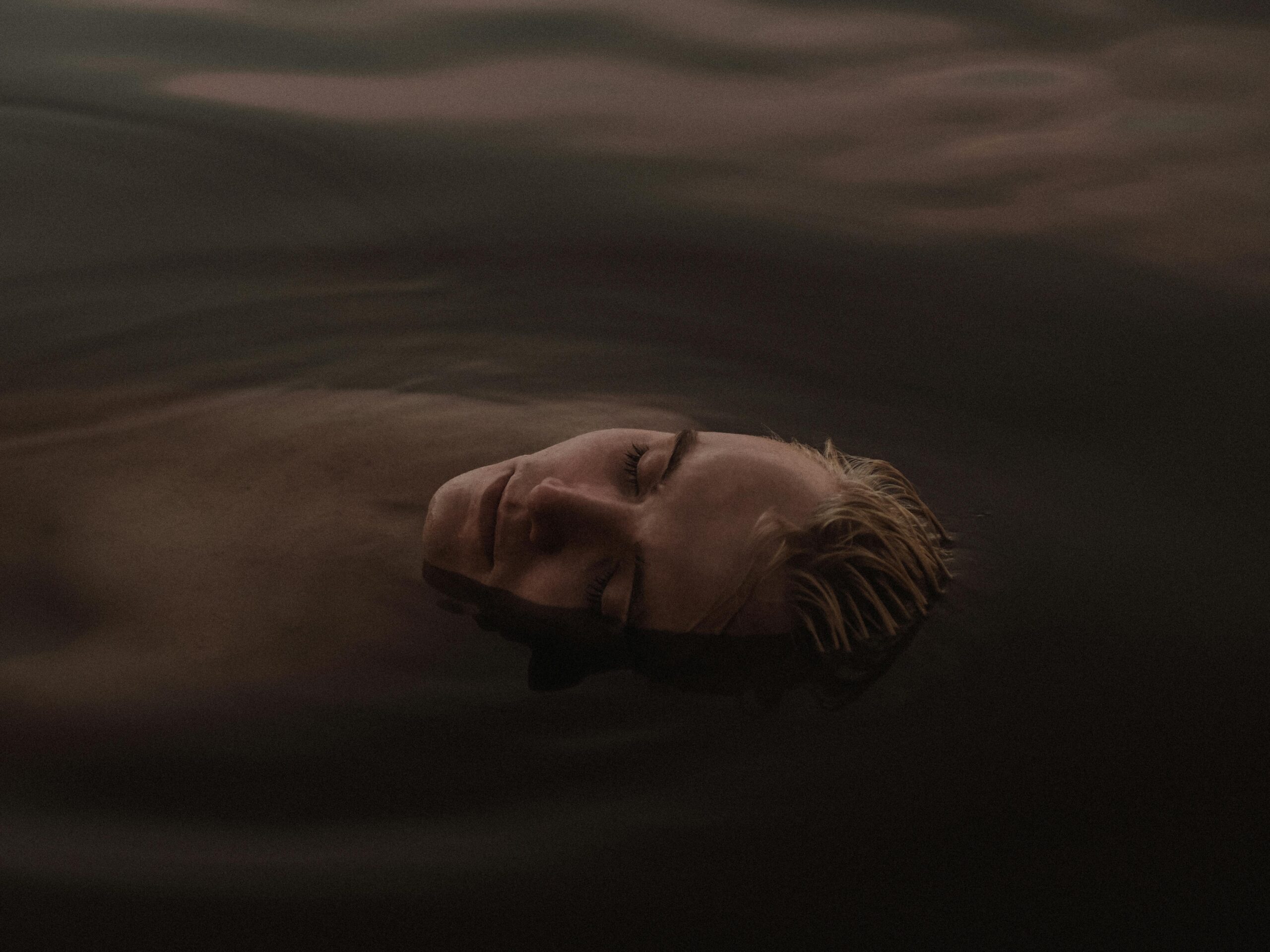
🌊 Your Journey Begins With a Single Drop
Starting a water meditation practice requires no special credentials, expensive equipment, or perfect conditions. You simply need willingness to experiment, patience with yourself as you learn, and curiosity about what water might teach you. Each session, whether five minutes or fifty, contributes to your growing capacity for peace, clarity, and emotional balance.
The transformation doesn’t happen overnight, much like water gradually shapes stone through persistent contact rather than sudden force. Trust the process and allow your practice to unfold naturally. Some days will feel deeply peaceful; others might feel restless or distracted. Both experiences are valuable parts of your journey.
Water has been flowing since the beginning of time, teaching the same lessons to every generation willing to listen. Now it’s your turn to dive into this ancient wisdom and discover how soothing water meditation can transform your mind and soul. The water is waiting—all you need to do is begin.