In our fast-paced world, stress accumulates in ways we often don’t realize until our bodies and minds demand a reset. A therapeutic bath can be your sanctuary.

The ancient practice of bathing for healing has transcended cultures and centuries, from Roman bathhouses to Japanese onsen traditions. Today, we’re rediscovering what our ancestors knew instinctively: water combined with intentional rituals creates a powerful space for restoration. When stress infiltrates every corner of our lives, a properly designed bath becomes more than hygiene—it transforms into a holistic healing experience that addresses physical tension, mental exhaustion, and spiritual depletion simultaneously.
Modern research validates what traditional wellness practices have long suggested. Immersion in warm water activates the parasympathetic nervous system, lowering cortisol levels and triggering the body’s natural relaxation response. This isn’t just about feeling good momentarily; it’s about creating physiological changes that support long-term health and resilience against stress.
🛁 Understanding the Science Behind Bath-Based Stress Relief
When you sink into warm water, your body temperature rises, promoting vasodilation—the widening of blood vessels. This process improves circulation, delivering oxygen-rich blood to fatigued muscles while flushing out metabolic waste products that accumulate during periods of stress. The buoyancy effect simultaneously reduces gravitational pressure on joints and muscles, creating a weightless sensation that allows deep physical relaxation.
Temperature plays a crucial role in therapeutic bathing. Water between 92-100°F (33-38°C) proves optimal for relaxation without overstressing the cardiovascular system. This range mimics the body’s natural temperature while providing enough warmth to soothe tension. As your core temperature increases during the bath and then drops afterward, it signals to your brain that it’s time to rest, naturally promoting better sleep quality.
The neurological benefits extend beyond simple relaxation. Hydrotherapy stimulates the release of endorphins—your body’s natural painkillers and mood elevators. Simultaneously, it reduces the production of stress hormones like adrenaline and cortisol, creating a biochemical environment conducive to healing and renewal.
Creating Your Personal Sanctuary: Setting the Foundation 🕯️
Transformation begins before you even fill the tub. Your bathroom environment significantly influences the effectiveness of your stress-relief ritual. Begin by decluttering the space—visual chaos disrupts mental calm. Clear countertops, organize products, and remove anything that doesn’t serve your relaxation purpose.
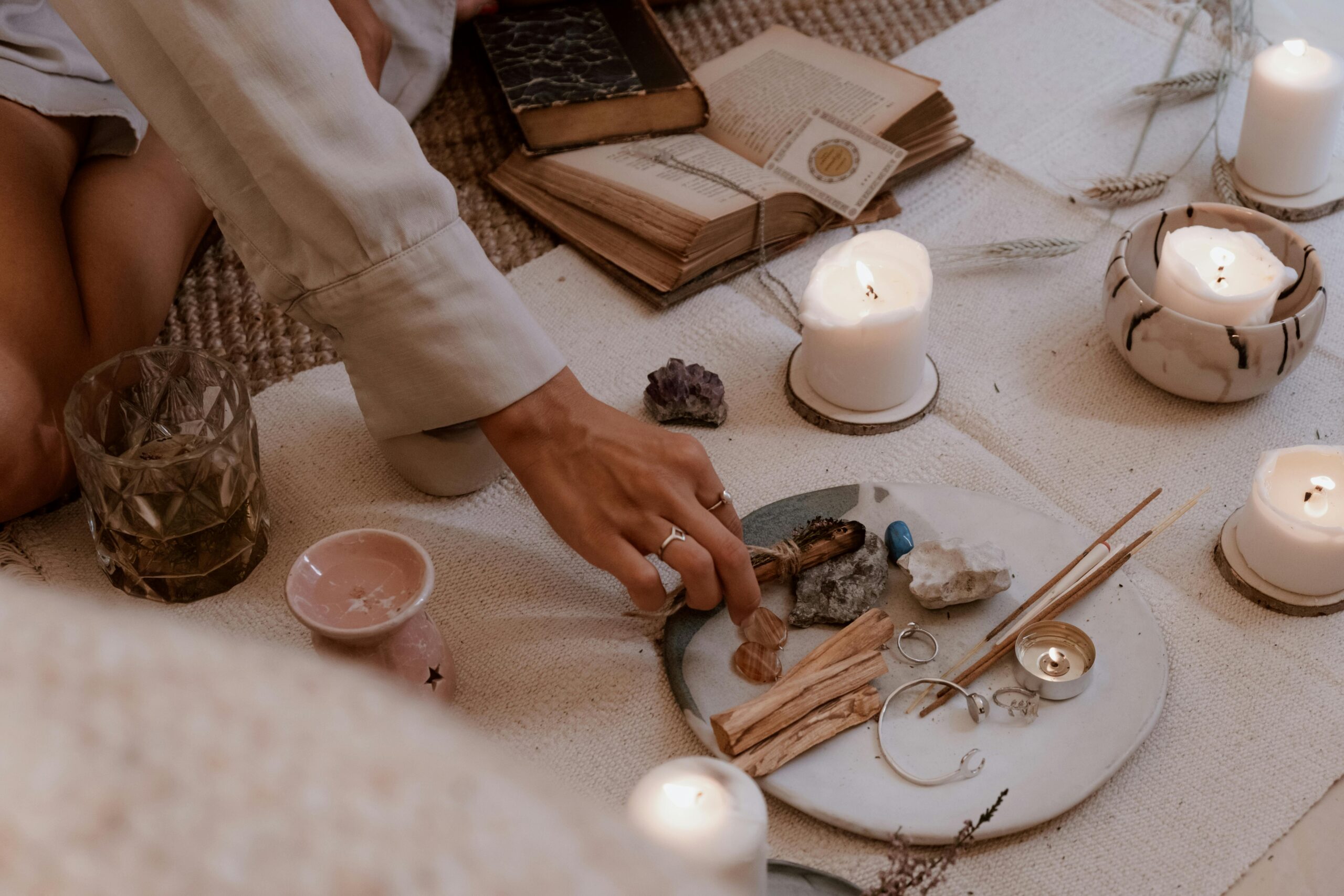
Lighting deserves special attention. Harsh overhead lights stimulate the nervous system, counteracting relaxation efforts. Instead, opt for candles, salt lamps, or dimmable fixtures. Candlelight specifically creates a meditative ambiance while its flickering pattern naturally draws the eye into a gentle, focusing rhythm that quiets mental chatter.
Sound design matters equally. Silence works beautifully for some, while others benefit from carefully selected audio. Nature sounds—rainfall, ocean waves, forest ambiance—activate the parasympathetic nervous system. Binaural beats at specific frequencies (particularly theta waves between 4-8 Hz) promote deep relaxation states. Gentle instrumental music without lyrics prevents cognitive engagement, allowing the mind to drift peacefully.
Temperature and Timing Considerations
The ideal bath duration ranges between 20-30 minutes. This window provides sufficient time for physiological benefits without risking dehydration or overheating. Timing within your day also influences effectiveness. Evening baths, taken 90 minutes before bedtime, leverage the natural temperature drop that occurs when you exit, signaling sleep readiness to your circadian system.
Keep a glass of water nearby to maintain hydration. The heat causes sweating even when submerged, and proper hydration supports the detoxification processes your bath stimulates. Room-temperature water proves best, as cold drinks can create internal temperature conflicts while hot beverages may increase overall body temperature excessively.
The Ultimate Bath Recipe for Complete Renewal 🌿
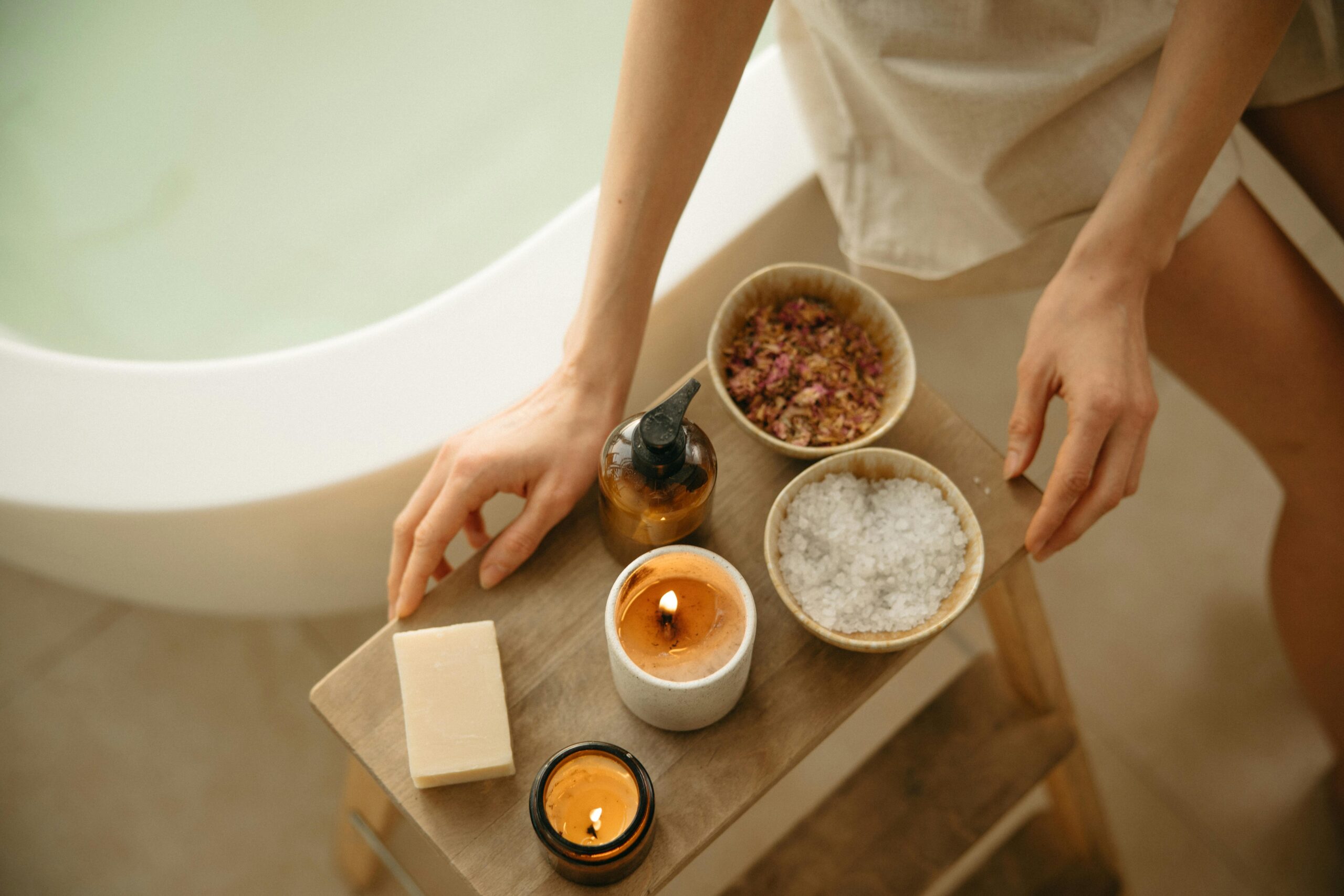
Strategic additions to your bathwater elevate a simple soak into a therapeutic treatment. Each ingredient serves specific purposes, addressing different dimensions of stress and exhaustion. Quality matters—choose pure, therapeutic-grade options whenever possible to avoid synthetic fragrances and unnecessary chemicals that can irritate skin or disrupt your endocrine system.
Epsom Salt: The Magnesium Miracle
Add 2-3 cups of Epsom salt (magnesium sulfate) to your bath. Magnesium absorbs through the skin, replenishing levels depleted by chronic stress. This mineral regulates over 300 enzymatic reactions in your body, including those governing stress response and muscle relaxation. Many people are magnesium-deficient without realizing it, making this addition particularly powerful for stress relief.
Epsom salt also draws toxins from the body through reverse osmosis, pulling harmful substances from muscles and joints. This detoxification process, combined with magnesium absorption, addresses both the physical manifestations of stress and its biochemical underpinnings.
Essential Oils for Aromatherapeutic Healing
Essential oils provide targeted therapeutic benefits through both inhalation and dermal absorption. Because they’re concentrated, dilute 8-12 drops in a carrier oil (like jojoba or sweet almond) or an emulsifier before adding to bathwater to prevent skin irritation.
- Lavender: The most researched relaxation oil, proven to reduce anxiety, improve sleep quality, and lower heart rate
- Chamomile: Calms nervous tension, soothes irritability, and reduces inflammation
- Ylang-ylang: Decreases blood pressure, promotes emotional release, and balances mood
- Frankincense: Deepens breathing, grounds scattered energy, and supports spiritual connection
- Bergamot: Uplifts while simultaneously relaxing, particularly effective for stress-related exhaustion
- Sandalwood: Quiets mental chatter, enhances meditation, and promotes inner peace
Create synergistic blends combining 2-3 oils that address your specific stress patterns. For anxiety-driven stress, try lavender, bergamot, and frankincense. For physical tension, combine eucalyptus, rosemary, and lavender. For emotional overwhelm, blend ylang-ylang, chamomile, and sandalwood.
Healing Clays and Botanical Additions
Bentonite or kaolin clay (½ cup) pulls heavy metals and environmental toxins from the skin while providing gentle exfoliation. The negative ionic charge of clay particles attracts positively charged toxins, making this a powerful detoxification addition to your stress-reset bath.
Fresh or dried herbs enhance both therapeutic benefits and sensory experience. Chamomile flowers, rose petals, calendula, and lavender buds can be added loose or contained in a muslin bag for easy cleanup. These botanicals release beneficial compounds into the water while creating beautiful visual appeal that enhances the overall experience.
Mindfulness Practices to Deepen Your Bath Experience 🧘♀️
Physical immersion creates opportunity, but intentional mental practices transform a bath from pleasant to profoundly healing. The key lies in presence—fully inhabiting the moment rather than letting your mind drift to worries or to-do lists.
Breath Work for Nervous System Regulation
Begin with conscious breathing immediately upon entering the bath. Practice box breathing: inhale for four counts, hold for four, exhale for four, hold for four. This pattern activates the vagus nerve, directly communicating safety signals to your brain and body. After several rounds, transition to natural breathing while maintaining awareness of each breath cycle.
As you relax, experiment with extended exhales—breathing in for four counts and out for six or eight. Longer exhales than inhales specifically activate parasympathetic dominance, the rest-and-digest state that facilitates healing and stress recovery.
Body Scanning for Tension Release
Systematically bring attention to each body part, starting with your toes and moving upward. Notice where you’re holding tension without judgment. Often, simply bringing awareness to clenched muscles triggers their release. Visualize the warm water penetrating these tight areas, dissolving knots and carrying tension away with each exhale.
Pay special attention to common stress-holding areas: jaw, shoulders, lower back, and hips. Consciously soften these regions. If tension persists, gently move the area underwater, using the resistance and buoyancy to facilitate release through subtle stretching.
Visualization and Affirmation Practices
Water naturally lends itself to cleansing visualizations. Imagine stress, worry, and exhaustion as dark clouds or heavy sediment dissolving from your body into the water. Picture the bath ingredients actively drawing out negativity and replenishing you with light, vitality, and peace.
Incorporate affirmations aligned with your renewal intentions: “I release what no longer serves me,” “My body knows how to heal,” “I am worthy of rest and care,” or “Peace flows through every cell.” Speak these aloud or silently, coordinating them with your breath rhythm for deeper integration.
Post-Bath Practices for Extended Benefits ✨
The transition out of your bath significantly influences how long its benefits extend into your daily life. Rushing immediately back into activity dissipates much of what you’ve cultivated. Instead, treat the exit as a gradual return, maintaining the peaceful state you’ve created.
Exit slowly, allowing your body to adjust to the temperature change and the return of gravity’s full effects. Pat skin gently rather than rubbing vigorously—this maintains the relaxed state and preserves the beneficial oils and minerals on your skin’s surface. While skin is still slightly damp, apply a natural, unscented oil or butter to seal in moisture and any remaining therapeutic compounds.
The Sacred In-Between Time
Wrap yourself in a soft robe or towels warmed on a radiator or in the dryer. This cocooning extends the sense of being held and cared for. If possible, spend 10-15 minutes in quiet transition—lying down, journaling, or sitting in meditation. This integration period allows the physiological changes initiated during your bath to stabilize before you re-engage with normal activities.
Drink room-temperature or warm herbal tea—chamomile, passionflower, or tulsi support continued relaxation and replenish fluids. Avoid screens during this window; blue light and mental stimulation from devices can rapidly undo the nervous system recalibration you’ve achieved.
Customizing Your Reset Bath for Different Stress Types 💆♀️
Not all stress manifests identically. Tailoring your bath approach to your specific stress pattern enhances effectiveness and creates more targeted relief.
| Stress Type | Primary Symptoms | Bath Customizations |
|---|---|---|
| Acute Anxiety | Racing thoughts, rapid heartbeat, restlessness | Cooler water (95-97°F), lavender and vetiver oils, longer duration (30-40 min), focus on breath work |
| Physical Exhaustion | Muscle fatigue, body aches, depleted energy | Warmer water (98-100°F), extra Epsom salt, eucalyptus and rosemary oils, gentle stretching in water |
| Emotional Overwhelm | Tearfulness, sensitivity, feeling disconnected | Mid-range temperature, rose and sandalwood oils, pink Himalayan salt, self-compassion affirmations |
| Mental Burnout | Brain fog, decision fatigue, cognitive exhaustion | Warm water, peppermint and frankincense oils, silence or binaural beats, visualization practices |
Building a Sustainable Bath Ritual Practice 🌙
One luxurious bath provides immediate relief, but consistent practice creates lasting resilience against stress. The challenge lies in overcoming the barriers that prevent regular self-care—time scarcity, guilt, or simply forgetting amid life’s demands.
Schedule your bath appointments as you would any important commitment. Sunday evenings work beautifully for weekly reset rituals, preparing you for the week ahead. Alternatively, midweek sessions provide crucial recovery when stress peaks. Start with once weekly and adjust based on your needs and schedule realities.
Overcoming Common Obstacles
Time constraints represent the most common barrier. Remember that even a 20-minute bath provides significant benefits—you’re not seeking perfection but consistent practice. Prepare bath ingredients in advance, keeping them in a convenient container so setup requires minimal time and decision-making.
Guilt about taking time for yourself often sabotages self-care practices. Reframe your bath ritual as preventive healthcare and relational investment. When you’re less stressed, you show up more fully for others. Your capacity to give flows from the reservoir of your own replenishment—empty vessels cannot pour.
For those without bathtubs, foot baths offer surprising benefits. Warm water foot soaks with Epsom salt and essential oils provide many of the same physiological benefits while requiring less time and space. The feet contain numerous nerve endings and reflexology points connected to the entire body, making foot baths genuinely therapeutic.
Integrating Bath Rituals into Holistic Stress Management 🌱
Your reset bath works most powerfully as one component within a comprehensive stress management approach. While profoundly beneficial alone, its effects multiply when supported by complementary practices throughout your day and week.
Regular movement—whether yoga, walking, dancing, or formal exercise—processes stress hormones that bathing helps clear from your system. Adequate sleep provides the foundation upon which all other recovery practices build. Mindful nutrition fuels your body’s stress-response systems with necessary nutrients, while your bath ritual helps those systems reset and recalibrate.
Consider your bath as the centerpiece of a broader evening routine that signals to your entire being that it’s time to transition from doing to being. This might include dimming lights throughout your home an hour before bath time, preparing tomorrow’s essentials so your mind can release planning mode, and perhaps gentle stretching or journaling before entering the water.
Elevating Your Experience: Advanced Bath Enhancements 🎋
Once you’ve established a basic practice, subtle refinements can deepen your experience. Chromotherapy—the therapeutic use of color—can be introduced through waterproof LED lights that change your bath’s visual environment. Blue promotes calm and lowers blood pressure, green balances and centers, and soft pink nurtures emotional healing.
Sound healing extends beyond background music. Crystal singing bowls played near the bath create vibrations that travel through water directly into your body. Alternatively, waterproof speakers enable full immersion in sound healing frequencies specifically designed for stress release and cellular regeneration.
Seasonal adjustments keep your practice fresh and aligned with natural cycles. Summer baths might include cooling peppermint, lighter oils, and slightly cooler water. Winter invites warming spices like ginger, grounding oils like cedarwood, and extra-cozy post-bath rituals. This seasonal attunement deepens your connection to natural rhythms that stress often disrupts.
Your Invitation to Begin Today 🌊
Stress has become so normalized in modern life that we often don’t recognize how depleted we’ve become until crisis forces rest. Your body and mind deserve better than crisis-driven recovery. They deserve consistent, intentional renewal that prevents breakdown rather than merely responding to it.
Tonight, you can begin. You don’t need elaborate preparations or perfect conditions. Run warm water, add what you have available—even plain water provides benefits—and give yourself permission to simply be. Notice how your body responds. Observe your mind’s initial resistance or restlessness, then its gradual settling. Feel the water supporting your weight, asking nothing of you except presence.
This practice isn’t selfish or indulgent—it’s necessary maintenance for the complex system you inhabit. Your stress-reset bath becomes a weekly promise to yourself: no matter what demands life makes, you will create space to return to center, to remember who you are beneath the roles and responsibilities, and to restore the energy those roles require.
The water is waiting. Your renewal begins the moment you decide you’re worth the time, effort, and intentionality that true restoration requires. Step into healing. Sink into peace. Emerge renewed. 🛁✨